


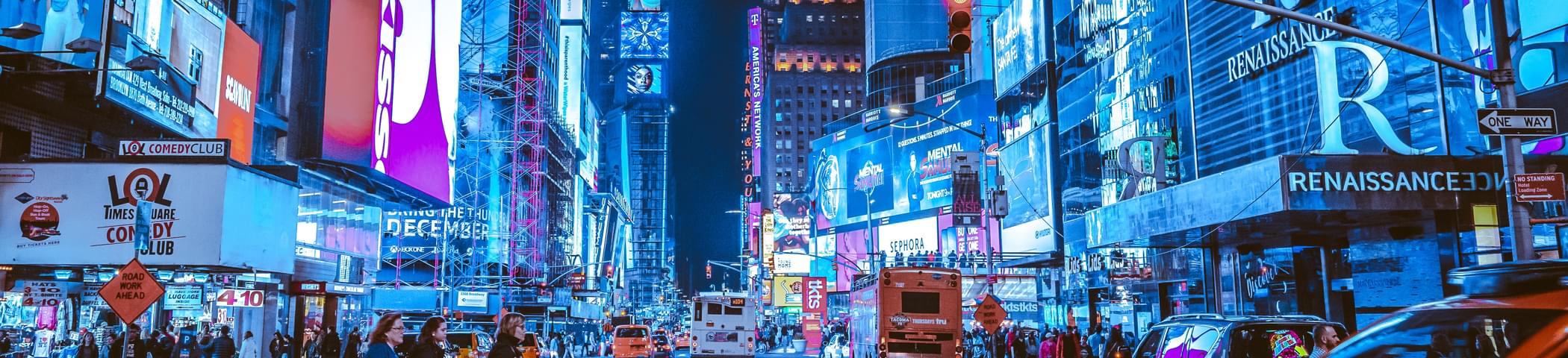
30 Places to Visit in New York City & Top Tourist Places

Tourist Places In New York City

New York is a city that never stops moving, offering experiences with history, culture, and urban energy. From towering skyscrapers to quiet green spaces, every corner tells a story. Guests can discover iconic landmarks, diverse neighbourhoods, and the city's defining art and cuisine. Planning ahead makes a difference, and New York tour packages provide curated experiences that save time while covering the essential sights. Whether walking along the bustling streets of Manhattan, exploring the arts in Brooklyn, or taking in the skyline by the water, the city offers a mix of must-see attractions and hidden gems that appeal to every type of traveller.

Beyond its major landmarks, New York offers neighbourhoods and experiences that capture its unique character. Visitors can wander through SoHo, where they can enjoy boutique shopping and art galleries. They can also stroll along the High Line, an elevated park built on a historic railroad, or explore Greenwich Village for cosy cafes and live music. The 9/11 Memorial & Museum provides a solemn yet impactful historical experience. Brooklyn Bridge offers iconic skyline views, perfect for photography or an evening walk. For those seeking cultural immersion, neighbourhoods like Chinatown and Little Italy offer authentic food experiences, while Fifth Avenue and Rockefeller Center are must-visits for shopping and iconic cityscapes.
  • Statue of Liberty & Ellis Island: Explore these iconic symbols of freedom and immigration history. Guided tours provide in-depth insights, and ferry rides offer skyline views of Manhattan.
  • Central Park: A vast urban oasis perfect for walks, cycling, and cultural experiences. Seasonal events, fountains, and scenic spots make it a hub for relaxation and photography.
  • Times Square & Broadway: Bright lights, flagship stores, and world-class theater productions define this energetic hub. Evening visits are particularly memorable.
  • Museum Mile: Home to the Metropolitan Museum of Art, Guggenheim, and other institutions, offering access to art, culture, and historical exhibitions in a compact area.

Here are some of the best places to visit in New York city:

Image description
Bigger Group? Get special offers upto 50% off!
We create unforgettable adventures, customised for your group.
Connect with a group tour expert
Full Name
Email
Phone number
Travel Date
Traveller Count
Message

The Statue of Liberty is one of the most important landmarks in New York City and a globally recognised symbol of freedom and democracy. Located on Liberty Island in New York Harbour, the monument was gifted by France and officially dedicated in 1886 to commemorate the centennial of American independence. Sculpted by Frédéric Auguste Bartholdi, the statue depicts Libertas, the Roman goddess of liberty, holding a torch and a tablet inscribed with the date July 4, 1776. Its internal iron framework was engineered by Gustave Eiffel, making it a notable achievement in 19th-century engineering.


Visitors reach Liberty Island via ferry services departing from Battery Park, with the journey offering clear views of Lower Manhattan, the Brooklyn waterfront, and Ellis Island. On the island, the Statue of Liberty Museum presents immersive exhibits detailing the statue’s construction, symbolism, and its role as a beacon for immigrants arriving in the United States. Artefacts such as the original torch and historic photographs provide valuable context.


Access options include the grounds, pedestal, and crown where pedestal access offers elevated harbour views, while crown access involves climbing a narrow staircase to observation windows inside the statue. The island’s walkways provide excellent photography opportunities, making the visit both educational and visually memorable.

Read more

Times Square is one of the most dynamic and instantly recognisable areas of New York City, located at the intersection of Broadway and Seventh Avenue in Midtown Manhattan. Known for its massive digital billboards and nonstop activity, the district functions as a global centre for entertainment, advertising, and tourism. The brightly lit screens, some stretching several storeys high, create a visually immersive environment that defines the area, particularly after dark.


Visitors can explore flagship retail stores, themed restaurants, and pop-up brand experiences that frequently change throughout the year. A key attraction is the TKTS booth in Duffy Square, where discounted same-day Broadway tickets are sold, making live theatre more accessible. Street performers, musicians, and promotional events add to the lively atmosphere, especially during evenings and weekends.


Times Square is also famous for hosting the annual New Year’s Eve Ball Drop, a tradition broadcast worldwide. During daytime hours, visitors can observe the behind-the-scenes rhythm of the district, including theatre rehearsals and digital advertising maintenance. As one of Manhattan’s largest subway interchanges, Times Square connects multiple lines, making it both a destination and a practical starting point for exploring New York City.


Read more

Central Park is an 843-acre public park stretching from 59th Street to 110th Street through the centre of Manhattan offering a carefully designed natural escape within the city’s dense urban fabric. Designed in the mid-19th century by Frederick Law Olmsted and Calvert Vaux, it was the first landscaped public park in the United States and remains a landmark in urban planning. The park combines meadows, wooded areas, lakes, and architectural features to create varied landscapes across its length.


Visitors can explore well-known landmarks such as Bethesda Terrace and Fountain, Bow Bridge, Sheep Meadow, and the Great Lawn. Recreational activities include cycling on designated paths, jogging along the loop, rowing boats at the Loeb Boathouse, and relaxing in designated picnic areas. The Central Park Zoo and playgrounds make the park family-friendly, while open lawns attract locals and visitors alike.


Seasonal changes significantly alter the park’s atmosphere, from spring blossoms and summer concerts to autumn foliage and winter snow-covered paths. Guided walking tours provide insight into the park’s design, statues, and filming locations. With entrances near major museums and neighbourhoods, Central Park functions as both a destination and a connector, making it an essential part of any New York itinerary.

Read more

The Metropolitan Museum of Art, commonly known as The Met, is one of the largest and most comprehensive art museums in the world. Located along Fifth Avenue beside Central Park, the museum houses more than two million works spanning over 5,000 years of global history. Its collection represents civilisations from ancient Egypt and classical Greece to Renaissance Europe and modern America, making it a cornerstone of New York’s cultural landscape.


Among the museum’s most celebrated spaces is the Temple of Dendur, a 2,000-year-old Egyptian monument displayed in a glass-walled gallery overlooking Central Park. Visitors can also explore the Arms and Armour galleries, mediaeval European art, Asian collections, and American decorative arts. The Costume Institute, known for hosting the annual Met Gala, presents rotating fashion exhibitions that examine cultural identity and design history.


The Met offers guided tours, audio guides, and curated thematic routes that help visitors navigate its vast galleries efficiently. Additional amenities include cafés, a rooftop terrace with seasonal installations and views of the skyline, and multiple museum shops. Due to its size, many visitors focus on specific departments rather than attempting to see everything in one visit. The Met provides a deeply immersive experience, combining artistic excellence with historical context across cultures and centuries.

Read more

Broadway and the Theatre District represent the core of New York City’s live performing arts scene and are globally associated with professional theatre. Located around Times Square in Midtown Manhattan, the district contains over 40 Broadway theatres, many of which date back to the early 20th century. Iconic venues such as the Gershwin Theatre, New Amsterdam Theatre, and Lyceum Theatre regularly host large-scale musicals, dramas, and long-running productions.


Visitors can attend internationally acclaimed shows ranging from contemporary musicals to classic revivals. Tickets may be purchased directly from theatre box offices or at the TKTS booth in Times Square, which offers discounted same-day seats for select performances. Some theatres also offer behind-the-scenes tours that explain stage design, lighting, sound production, and Broadway history.


Even outside show hours, the district is active with illuminated marquees, historic facades, and crowds gathering before evening performances. The surrounding streets are filled with pre-theatre dining options, from casual eateries to themed restaurants catering to show schedules. For many visitors, seeing a Broadway production is a highlight of their New York trip, offering a combination of storytelling, music, choreography, and technical artistry. The Theatre District delivers a complete cultural experience that reflects New York’s reputation as a global capital for live entertainment.

Read more

The Museum of Modern Art, known globally as MoMA, is a leading institution dedicated to modern and contemporary art. Situated in Midtown Manhattan, the museum is home to an influential collection that includes painting, sculpture, photography, film, architecture, and industrial design. MoMA’s permanent collection features iconic works such as Vincent van Gogh’s The Starry Night, Pablo Picasso’s Les Demoiselles d’Avignon, and masterpieces by Andy Warhol, Jackson Pollock, and Henri Matisse.


In addition to its permanent galleries, MoMA is widely respected for its rotating exhibitions that explore experimental art movements, emerging artists, and interdisciplinary themes. These temporary shows often focus on social change, technology, and new forms of creative expression. The Abby Aldrich Rockefeller Sculpture Garden provides a calm outdoor setting where visitors can experience large-scale works surrounded by modern architecture.


MoMA enhances the visitor experience through multimedia guides, curator-led tours, and regular film screenings in its theatres. Educational workshops, talks, and live performances further contribute to its interactive character. Dining options range from casual cafés to The Modern, a Michelin-starred restaurant overlooking the sculpture garden. Compact yet intellectually rich, MoMA is ideal for visitors seeking a focused and engaging introduction to modern and contemporary art.

Read more

The World Trade Center in New York City stands as a powerful symbol of resilience, remembrance, and renewal. Located in Lower Manhattan, this iconic complex was rebuilt after the tragic events of September 11, 2001, and today represents hope and strength. The centerpiece, One World Trade Center, also known as the Freedom Tower, rises 1,776 feet high, making it the tallest building in the Western Hemisphere.


The site includes the moving 9/11 Memorial and Museum, featuring reflecting pools set within the footprints of the original Twin Towers, honoring the lives lost. The striking Oculus transportation hub adds a modern architectural touch, serving as both a transit center and shopping destination. Surrounded by cultural landmarks, offices, and public spaces, the World Trade Center is not just a historical site but a vibrant part of New York City’s present and future.

Read more

Rockefeller Center is a historic complex of 19 Art Deco buildings located in Midtown Manhattan, developed between 1930 and 1939 by John D. Rockefeller Jr. Built during the Great Depression, the centre symbolised optimism and progress through architecture, public art, and commercial development. Today, it remains one of New York City’s most visited and multifunctional landmarks.


The complex is best known for the Top of the Rock Observation Deck, which offers unobstructed views of Central Park, Midtown Manhattan, and the Empire State Building. At street level, the central plaza hosts the famous ice-skating rink during winter and outdoor dining during warmer months. Seasonal highlights include the globally televised Christmas tree lighting ceremony.


Rockefeller Center is also home to NBC Studios, Radio City Music Hall, and significant public artworks such as the Prometheus statue and the Atlas sculpture along Fifth Avenue. Guided tours explain the site’s murals, architecture, and influence on American media and broadcasting. With a wide selection of shops, restaurants, and excellent subway connectivity, Rockefeller Center functions as both a cultural attraction and a convenient base for exploring Midtown Manhattan.

Read more

The Empire State Building is one of New York City’s most iconic skyscrapers and a defining symbol of the city’s skyline. Completed in 1931 during the Great Depression, the 102-storey Art Deco tower rises to a height of 1,454 feet including its spire. Designed by Shreve, Lamb & Harmon, the building was constructed in just over a year and held the title of the world’s tallest building for nearly four decades.


Visitors enter through a restored Art Deco lobby before accessing interactive exhibits that explain the building’s construction, engineering techniques, and cultural influence in films and popular media. The main observation deck on the 86th floor features an open-air terrace with panoramic views of Manhattan, Brooklyn, Queens, and the Hudson River. A higher enclosed observatory on the 102nd floor offers a more elevated and immersive viewing experience.


Daytime visits provide clear views of Central Park, Times Square, and the surrounding boroughs, while evening visits highlight the illuminated cityscape. The building’s exterior lighting changes nightly to mark holidays, major events, and awareness campaigns. Located in Midtown Manhattan near major shopping areas and transport hubs, the Empire State Building is both a must-see attraction and a central reference point for navigating the city.

Read more

The 9/11 Memorial and Museum is a site of remembrance dedicated to the victims of the September 11, 2001 terrorist attacks and the 1993 World Trade Center bombing. Located at the former World Trade Center site in Lower Manhattan, the outdoor memorial features two large reflecting pools set within the original Twin Tower footprints, with the victims’ names engraved along their edges.


Beneath the memorial plaza, the museum presents a detailed account of the events through artefacts, photographs, recorded testimonies, and multimedia installations. Exhibits include remnants of the original steel structure, emergency response equipment, and timelines documenting the attacks and their global impact. The presentation balances historical documentation with personal stories, creating a deeply reflective experience.


Visitors can explore the museum independently or join guided tours for additional context on the architecture and exhibits. The surrounding plaza offers quiet spaces for reflection, while nearby landmarks such as One World Trade Center represent the area’s recovery and renewal. Many visitors spend several hours engaging with the site due to its emotional depth. The 9/11 Memorial and Museum serves as both an educational institution and a powerful place of reflection within New York City.

Read more

The High Line is a unique elevated public park built on a former freight rail line on Manhattan’s West Side. Stretching from Gansevoort Street in the Meatpacking District to 34th Street near Hudson Yards, the park offers a distinctive blend of landscaped greenery, contemporary art, and urban views. Opened in phases beginning in 2009, the High Line has become one of New York’s most innovative public spaces.


Visitors can walk along the landscaped pathways while enjoying views of the Hudson River, surrounding neighbourhoods, and modern architecture. The park features curated gardens with seasonal plants, public art installations, and seating areas designed for relaxation and observation. Notable sections include the 10th Avenue Square amphitheatre, which overlooks street traffic below, and the Chelsea Market Passage, which highlights the site’s industrial history.


The High Line connects several cultural and dining hubs, including Chelsea Market, art galleries in Chelsea, and the Hudson Yards development. It is particularly popular for photography due to its elevated perspectives and changing light throughout the day. Early mornings and evenings are ideal for fewer crowds and cooler temperatures. The High Line offers a slow-paced, visually engaging way to explore Manhattan from a different viewpoint.

Read more

The Brooklyn Bridge is a historic suspension bridge spanning the East River and connecting Lower Manhattan with Brooklyn. Opened in 1883, it was the first bridge to use steel-wire cables, making it a major engineering achievement of the 19th century. Designed by John A. Roebling and completed under the supervision of his son Washington Roebling, the bridge is recognised for its Gothic-style granite towers and elegant cable patterns.


A dedicated elevated pedestrian and cycling walkway allows visitors to cross the bridge above traffic, offering uninterrupted views of the Manhattan skyline, Brooklyn waterfront, and the Statue of Liberty. Informational plaques along the walkway explain the bridge’s construction, history, and role in shaping New York’s expansion. The walk itself takes about 30–40 minutes at a relaxed pace.


Many visitors begin the crossing from Manhattan and finish in Brooklyn, where Brooklyn Bridge Park provides landscaped waterfront areas, seating, and additional photography viewpoints. Early morning visits are ideal for avoiding crowds, while late afternoon offers softer light for photos. As both a working transportation route and a cultural landmark, the Brooklyn Bridge delivers a memorable blend of history, architecture, and scenic urban views.

Read more

Fifth Avenue is one of New York City’s most famous streets, stretching through the heart of Manhattan and serving as a centre for shopping, architecture, and culture. The avenue is particularly renowned for its luxury retail corridor in Midtown, where flagship stores of international brands such as Tiffany & Co., Saks Fifth Avenue, and Cartier attract visitors from around the world.


Beyond shopping, Fifth Avenue is lined with major landmarks that contribute to its cultural importance. St. Patrick’s Cathedral, with its Neo-Gothic architecture, stands in striking contrast to the modern glass towers nearby. Other notable sites along the avenue include Rockefeller Center, the New York Public Library, and the entrance to Central Park.


Walking along Fifth Avenue allows visitors to observe New York’s architectural evolution, from historic early 20th-century buildings to contemporary skyscrapers. Seasonal window displays, particularly during the holiday period, turn the avenue into a visual attraction in its own right. The area frequently hosts parades and public events, adding to its dynamic atmosphere.


With multiple subway stations along its length, Fifth Avenue is easy to access and simple to combine with nearby attractions. Whether visiting for shopping, sightseeing, or architecture, Fifth Avenue offers a comprehensive snapshot of New York’s urban sophistication and global influence.

Read more

One World Observatory is a tourist place in New York that crowns the One World Trade Center, the tallest building in the Western Hemisphere. It offers unmatched panoramic views of New York City. The Sky Pod elevators take visitors to floors 100–102 in just seconds, showcasing time-lapse visuals of the city’s skyline evolution through history. From the top, the Statue of Liberty, Hudson River, and Brooklyn Bridge unfold in a breathtaking sweep. 


Interactive exhibits like Voices and Foundations celebrate the city’s resilience and transformation. The in-house restaurant, ONE Dine, pairs curated menus with skyline views, making it an ideal spot for a memorable meal. Sunset visits offer a golden perspective of Manhattan, while daytime views highlight the city’s structured brilliance. With its immersive displays and symbolic significance, One World Observatory stands among the most inspiring and must-visit landmarks in New York.

Read more

Wall Street is the historic centre of New York City’s Financial District and a symbol of global finance. Located in Lower Manhattan, the street is home to major institutions such as the New York Stock Exchange and is closely associated with the development of American and international financial markets. Its narrow streets and historic buildings contrast sharply with the modern skyscrapers that surround them.


Visitors can explore landmarks such as Federal Hall, where George Washington was inaugurated as the first President of the United States, and the Charging Bull sculpture, a popular photo stop representing market optimism. Guided walking tours explain the history of banking, stock trading, and economic growth in the United States, often highlighting lesser-known details about early financial institutions.


While the interiors of the New York Stock Exchange are not generally open to the public, visitors can observe the building’s exterior and learn about its role through nearby exhibits and tours. Weekday mornings offer a quieter atmosphere before office hours begin. Wall Street provides insight into the economic forces that shape the city and the world, making it an educational stop even for visitors without a finance background.

Read more

The New York Public Library’s Stephen A. Schwarzman Building is a cultural and architectural landmark located on Fifth Avenue beside Bryant Park. Opened in 1911, the Beaux-Arts building is instantly recognisable by its grand marble façade and the iconic lion statues, Patience and Fortitude, guarding the entrance. It serves as the flagship branch of the New York Public Library system.


Inside, visitors can explore Astor Hall, with its vaulted ceilings and marble staircases, and the Rose Main Reading Room, one of the largest reading rooms in the world. The library regularly hosts exhibitions displaying rare manuscripts, historic maps, photographs, and literary artefacts from its extensive collections. Guided tours provide insight into the building’s architecture, preservation efforts, and role in public education.


The library is free to enter and welcomes both researchers and casual visitors. Its central location makes it easy to combine with a visit to Bryant Park or nearby Fifth Avenue attractions. Whether admired for its architecture, exhibitions, or quiet atmosphere, the New York Public Library offers a refined cultural experience rooted in learning and history.

Read more

St. Patrick’s Cathedral is a prominent Neo-Gothic Roman Catholic cathedral located on Fifth Avenue in Midtown Manhattan. Completed in 1878, it serves as the seat of the Archdiocese of New York and stands in striking contrast to the surrounding modern skyscrapers. Its twin spires, white marble façade, and intricate detailing make it one of the most recognisable religious landmarks in the city.


Inside, visitors can admire soaring vaulted ceilings, detailed stained-glass windows imported from Europe, and numerous side chapels dedicated to saints and historical figures. The cathedral also houses a large pipe organ, which is used during services and special musical events. Regular masses are held throughout the day, and visitors are welcome to attend quietly.


Beyond its religious function, St. Patrick’s Cathedral holds cultural and historical significance, having hosted major public ceremonies and memorial services. Informational displays explain its architecture, restoration efforts, and role in New York’s Catholic community. Located near Rockefeller Center and major shopping areas, the cathedral is easily included in a Midtown itinerary. Whether visiting for spiritual reflection, architecture, or history, St. Patrick’s Cathedral offers a calm and contemplative experience amid the city’s constant activity.

Read more

The Solomon R. Guggenheim Museum is one of New York City’s most distinctive cultural landmarks, renowned as much for its architecture as for its art collection. Designed by architect Frank Lloyd Wright and opened in 1959, the museum’s spiral-shaped structure and central skylit rotunda challenge traditional museum layouts. Located along Fifth Avenue near Central Park, it stands out dramatically from its surrounding buildings.


Inside, visitors follow a continuous ramp that guides them through rotating exhibitions of modern and contemporary art. The museum’s collection includes works by influential artists such as Wassily Kandinsky, Pablo Picasso, and Jackson Pollock. Temporary exhibitions frequently highlight international artists, thematic movements, and experimental installations, ensuring that repeat visits offer new experiences.


Audio guides and educational materials help visitors understand both the artworks and the building’s innovative design. The museum also hosts film screenings, lectures, and family programs that explore modern artistic expression. While smaller than some major museums, the Guggenheim’s curated approach encourages focused viewing rather than overwhelming scale. For visitors interested in modern art, architecture, or design innovation, the Guggenheim Museum offers a unique and intellectually engaging experience in New York City.

Read more

Bryant Park is a well-designed urban park located behind the New York Public Library in Midtown Manhattan, offering a green retreat amid dense commercial surroundings. Covering nearly nine acres, the park has evolved into one of the city’s most active public spaces through thoughtful programming and seasonal events. Its central lawn, framed by walkways and plane trees, serves as a social gathering space throughout the year.


Visitors can enjoy a variety of free activities, including outdoor chess tables, reading areas, and yoga sessions during warmer months. In summer, the park hosts open-air movie nights and live performances, while winter transforms it into a festive village with a large ice-skating rink and holiday market stalls. The French-inspired kiosks and cafés provide casual dining options, making the park suitable for short breaks between sightseeing stops.


Bryant Park’s proximity to major attractions such as Fifth Avenue, Times Square, and Grand Central Terminal makes it an easy addition to a Midtown itinerary. The park is also a popular spot for office workers and tourists seeking a place to relax or people-watch. Clean facilities, ample seating, and frequent events ensure that Bryant Park remains lively yet welcoming, offering visitors a balance of leisure, culture, and city atmosphere.

Read more

Carnegie Hall is one of the most prestigious music venues in the world, celebrated for its exceptional acoustics and classical music heritage. Located in Midtown Manhattan, the venue opened in 1891 and has hosted performances by some of the greatest musicians in history, including Tchaikovsky, Leonard Bernstein, and modern international orchestras. Its main performance space, the Isaac Stern Auditorium, is considered among the finest concert halls globally.


Visitors can attend a wide range of performances, including classical concerts, jazz shows, contemporary music, and world music events. In addition to live performances, Carnegie Hall offers guided tours that provide access to rehearsal spaces, backstage areas, and historical exhibits detailing the venue’s legacy. These tours also explain the hall’s architectural design and acoustic engineering.


The building features multiple performance halls, including Weill Recital Hall for smaller chamber concerts. Educational programs, lectures, and artist talks further enrich the visitor experience. Its location near Central Park and the Theater District makes it easy to combine a visit with other Midtown attractions. For music enthusiasts and cultural travellers, Carnegie Hall represents both artistic excellence and New York’s enduring commitment to live performance.

Read more

The American Museum of Natural History is one of the world’s most comprehensive science museums and a major educational landmark in New York City. Located along Central Park West, the museum houses more than 33 million specimens and artefacts covering anthropology, zoology, geology, and space science. Its vast scale makes it especially popular with families, students, and researchers.


One of the museum’s most iconic exhibits is the Milstein Hall of Ocean Life, featuring a life-sized blue whale model suspended from the ceiling. Visitors can also explore the dinosaur halls, which display fossil skeletons such as Tyrannosaurus rex and Apatosaurus, along with detailed explanations of evolution and extinction. The Rose Center for Earth and Space includes the Hayden Planetarium, where immersive space shows explore astronomy and cosmology.


The museum’s diorama halls are particularly distinctive, presenting realistic wildlife scenes from Africa, North America, and Asia in meticulously crafted settings. Temporary exhibitions frequently focus on climate science, biodiversity, and human origins. Interactive exhibits and educational programmes enhance engagement for all age groups. Due to its size, planning key sections in advance is recommended. The American Museum of Natural History offers an immersive learning experience that combines scientific research with accessible storytelling.

Read more

Dave and Buster's Cafe is usually the go to place for those visiting Times Square in New York City. This restaurant has a history that dates back to the 1970s, when Dave and Buster opened 2 separate restaurants, only to merge to become one of the most popular joints in the city. Dave and Buster features the best of both worlds- good food and a great atmosphere.

Read more

Washington Square Park, located in the lively Greenwich Village, is one of New York’s most iconic public spaces. Recognized by its grand marble arch honoring George Washington, the park serves as a cultural and social hub for artists, musicians, and locals. Its central fountain and tree-lined promenades invite relaxation and people-watching throughout the day. Street performers, chess players, and spontaneous musical acts bring the park’s creative spirit to life. Surrounded by historic architecture and NYU buildings, the area blends academic energy with bohemian charm. Seasonal events, open-air art exhibits, and occasional food markets keep the park vibrant year-round. Whether for a quiet afternoon stroll or a lively street performance, Washington Square Park embodies the free-spirited heart of downtown Manhattan and stands among the most atmospheric places to visit in New York.

Read more

Radio City Music Hall is one of New York City’s most iconic entertainment venues, located within the Rockefeller Center complex in Midtown Manhattan. Opened in 1932, the venue is a celebrated example of Art Deco design, featuring sweeping staircases, grand chandeliers, murals, and gold-accented interiors that reflect early 20th-century theatrical elegance. Its Great Stage is among the largest indoor stages in the world, engineered to accommodate elaborate live productions.


The hall is best known for the Radio City Christmas Spectacular, starring the Rockettes, a seasonal show that has become a long-standing holiday tradition. Throughout the year, the venue also hosts concerts, award ceremonies, film premieres, and televised events. Visitors can attend performances or opt for the Stage Door Tour, which offers behind-the-scenes access to dressing rooms, rehearsal spaces, and historical exhibits documenting the hall’s legacy.


The tour provides insight into stage technology, choreography preparation, and the building’s architectural features. Interactive displays and archival photographs highlight Radio City’s role in American entertainment history. Located near major attractions such as Fifth Avenue and Times Square, Radio City Music Hall is easy to combine with other Midtown sightseeing. Whether attending a show or exploring its interiors, visitors experience a blend of performance, history, and architectural grandeur unique to New York City.

Read more

An island owned by the federal government, Liberty Island is one of the famous New York tourist attractions that holds historical and national significance. It is located in Upper New York Bay in the United States. The island is dedicated to the notable Statue of Liberty, which is also its most notable feature. 

Read more

New York Harbour is one of the most historically and visually significant natural harbours in the world, playing a central role in the city’s development as a global port and gateway for immigration. Stretching around Lower Manhattan, the harbour offers expansive views of the Statue of Liberty, Ellis Island, the Brooklyn Bridge, and the modern skyline of Lower Manhattan.


Visitors can experience the harbour through ferry rides, sightseeing cruises, and water taxis. The Staten Island Ferry, which operates year-round at no cost, is especially popular for its close-up views of the Statue of Liberty and panoramic skyline photography. Paid harbour cruises provide narrated routes that explain the area’s maritime history, engineering landmarks, and transformation over time.


Sunset and evening cruises reveal the city illuminated, offering a different perspective from street-level sightseeing. The harbour also serves as access to Governors Island, a recreational destination with cycling paths, historic forts, and seasonal events. Weather conditions can affect the experience, so layered clothing is recommended, particularly on open decks. New York Harbour offers visitors a broader understanding of the city’s geography, history, and scale, making it an essential experience beyond traditional land-based attractions.

Read more

People Also Ask About New York City

  1. What are the must-visit landmarks in New York?

    Some of the must-visit landmarks in New York include the Statue of Liberty, Empire State Building, Times Square, Brooklyn Bridge, and Rockefeller Center. These locations offer iconic city views and cultural experiences.
  2. What is the best way to explore Central Park in New York?

    Some of the best ways to explore Central Park in New York are by foot, by bike, or via guided walking tours. Key spots include Bethesda Terrace, Bow Bridge, and the Central Park Zoo.

  3. Can I visit the Statue of Liberty and Ellis Island in one trip?

    Yes, Thrillophilia’s all-inclusive New York tour packages cover visits to both the Statue of Liberty and Ellis Island. It’s recommended to book tickets in advance, especially if you want access to the pedestal or crown.
  4. Which museums are worth visiting in New York?

    Some of the most famous museums in New York are the Metropolitan Museum of Art, the Guggenheim Museum, the American Museum of Natural History, and the Museum of Modern Art (MoMA). These are the most popular for art, history, and culture.
  5. Are there unique neighbourhoods to explore in New York?

    Yes, some of the unique neighbourhoods to explore in New York are SoHo (art and shopping), Greenwich Village (cafes and live music), Chinatown, and Little Italy, which provide local culture and cuisine.
  6. How much time should I spend in Times Square in New York?

    A few hours are sufficient to explore Times Square in New York, the lights, stores, and Broadway theatres. Evening visits are best to experience the vibrant atmosphere.
  7. Can I walk across the Brooklyn Bridge in New York?

    Yes, walking or cycling across the Brooklyn Bridge in New York is popular among visitors. It provides panoramic views of Manhattan and Brooklyn, especially during sunrise or sunset.
  8. What are some family-friendly attractions in New York?

    Some of the family-friendly spots in New York include Central Park Zoo, the American Museum of Natural History, the Intrepid Sea, Air & Space Museum, and Coney Island for rides and beach activities.
  9. Are there guided tours available for New York?

    Yes, New York tour packages often include hop-on, hop-off buses, walking tours, ferry rides, and curated experiences that cover major attractions, neighbourhoods, and museums efficiently.
  10. What are the best places to visit in New York for a honeymoon?

    1. Niagara Falls: Very popular amongst tourists across the globe, this destination is particularly a pick for couples to either take a boat trip known as Maid of the Mist or take a trip to the cave of the mist. Both the options would allow you some time alone, away from the public eye.

    2. Thousand Island: You will find a handful of islands at the St. Lawrence River, spreading over the border of Canada and US. Here, you could enjoy activities like visiting the Boldt Castle, exploring the Heart Island, going for wildlife watching at Clayton Islands, speedboat rides, sightseeing museums and galleries, or taking a hot air balloon ride 1000 feet above with your partner.

    3. Times Square: Walking in and around Times Square is a heartfelt experience. The area overflows with restaurants, cafes, theatres, and other entertainment facilities around.

    4. Catskill Mountain: Is located in the south-east part of New York and could prove to be a great getaway for honeymooning couples. In the autumn, the mountain changes its shade to red, orange, and yellow which is a tremendous sight.

    5. Lake Placid: This is recommended specifically for our adventurous duo who take rides together. The couples can go skiing, snowboarding, ice skating, sledding, riding snowmobiles, ice climbing and many more. Whereas, during the winter to fishing, boating, hiking, rock climbing, rafting and other such sports are more appropriate. And during the lazy summers, couples can also visit the spas and massage centres.
  11. What is the best time to visit New York?

    Some of the best times to visit New York are spring (April to June) and fall (September to November). It offer comfortable weather, fewer crowds, and pleasant sightseeing conditions.
  12. How can I spend 3 days in NYC?

    1. Times Square: It is a hub for people, you will never find it empty or less crowded. Times Square has to be on your list for a surreal experience of a lifetime. Here, you could catch glimpses of street shows and shop locally to attain a particular look!

    2. New York Public Library: NYPL is a magnificent sight for everybody. The main branch is at the 5th Avenue when you exit Bryant Park on the 42nd street.

    3. Trinity Church: The Church is situated at the intersection of Wall Street and Broadway with its gothic look from the 1846. Visit the church to seek blessings and begin your day.

    4. Lunch in ChinaTown: A block past the Mott Street is the main street of Chinatown where you should take a lunch break in order to gain your energy. You will find inexpensive restaurants here, serving delicious meals.
  13. What is the best time to visit New York?

    The best time is either between April to June or November and December. The spring season is between April to June, and therefore you see pleasant weather all along with fewer tourists around. November and December are eventful months with Thanksgiving, Christmas, and New Years in line, so there are continuous events to be entertained by.
  14. What is famous in New York?

    New York is an all-rounder when it comes to the things this city is famous for. We have already given you numerous listings of the places you should consider visiting in New York, but what you must also experiment with is food. A New York style pizza at the local pizzeria, a filling steak,  corned beef, or even some baked pretzels to go with. However, food and sightseeing are just two aspects of NYC.
  15. What should you not miss in New York?

    You should not miss fine attractions like the Statue of Liberty, Brooklyn Bridge, Broadway, the Central Park, 9/11 Memorial and etc. Each of the destinations holds a distinct feature to begin with, the Statue of Liberty exudes the declaration of freedom while the 9/11 Memorial shows grief and sorrow for the victims in the attack.
Newly Added New York City Experience

International Things to Do

Currency Picker
Commonly Used Currencies
INR -
Indian Rupee
USD - $
United States Dollar
EUR -
Euro
SGD - $
Singapore Dollar
AUD - $
Australian Dollar
GBP - £
British Pound
AED - د.إ
United Arab Emirates Dirham
All Other Currencies
ALL - L
Albanian Lek
AMD - դր.
Armenian Dram
ARS - $
Argentine Peso
AWG - ƒ
Aruban Florin
BBD - $
Barbadian Dollar
BDT -
Bangladeshi Taka
BMD - $
Bermudian Dollar
BND - $
Brunei Dollar
BOB - Bs.
Bolivian Boliviano
BSD - $
Bahamian Dollar
BWP - P
Botswana Pula
BZD - $
Belize Dollar
CAD - $
Canadian Dollar
CHF - CHF
Swiss Franc
CNY - ¥
Chinese Renminbi Yuan
COP - $
Colombian Peso
CRC -
Costa Rican Colón
CZK -
Czech Koruna
DKK - kr.
Danish Krone
DOP - $
Dominican Peso
DZD - د.ج
Algerian Dinar
EGP - ج.م
Egyptian Pound
ETB - Br
Ethiopian Birr
FJD - $
Fijian Dollar
GHS -
Ghanaian Cedi
GIP - £
Gibraltar Pound
GMD - D
Gambian Dalasi
GTQ - Q
Guatemalan Quetzal
GYD - $
Guyanese Dollar
HKD - $
Hong Kong Dollar
HNL - L
Honduran Lempira
HRK - kn
Croatian Kuna
HTG - G
Haitian Gourde
HUF - Ft
Hungarian Forint
IDR - Rp
Indonesian Rupiah
ILS -
Israeli New Sheqel
JMD - $
Jamaican Dollar
KES - KSh
Kenyan Shilling
KGS - som
Kyrgyzstani Som
KHR -
Cambodian Riel
KYD - $
Cayman Islands Dollar
KZT -
Kazakhstani Tenge
LAK -
Lao Kip
LBP - ل.ل
Lebanese Pound
LKR -
Sri Lankan Rupee
LRD - $
Liberian Dollar
LSL - L
Lesotho Loti
MAD - د.م.
Moroccan Dirham
MDL - L
Moldovan Leu
MKD - ден
Macedonian Denar
MMK - K
Myanmar Kyat
MNT -
Mongolian Tögrög
MOP - P
Macanese Pataca
MUR -
Mauritian Rupee
MVR - MVR
Maldivian Rufiyaa
MWK - MK
Malawian Kwacha
MXN - $
Mexican Peso
MYR - RM
Malaysian Ringgit
NAD - $
Namibian Dollar
NIO - C$
Nicaraguan Córdoba
NOK - kr
Norwegian Krone
NPR - Rs.
Nepalese Rupee
NZD - $
New Zealand Dollar
PEN - S/
Peruvian Sol
PGK - K
Papua New Guinean Kina
PHP -
Philippine Peso
PKR -
Pakistani Rupee
QAR - ر.ق
Qatari Riyal
RUB -
Russian Ruble
SAR - ر.س
Saudi Riyal
SCR -
Seychellois Rupee
SEK - kr
Swedish Krona
SLL - Le
Sierra Leonean Leone
SOS - Sh
Somali Shilling
SVC -
Salvadoran Colón
SZL - E
Swazi Lilangeni
THB - ฿
Thai Baht
TTD - $
Trinidad and Tobago Dollar
TZS - Sh
Tanzanian Shilling
UYU - $U
Uruguayan Peso
UZS - so'm
Uzbekistan Som
YER -
Yemeni Rial
ZAR - R
South African Rand
JPY - ¥
Japanese Yen
VND -
Vietnamese dong