
Granada
Salón de los Embajadores Granada, Granada
About Salón de los Embajadores Granada
Day Wise Timings
Salón de los Embajadores Granada opening hours through the week.
Open 7 days a week
Free entry
Monday08:30 – 20:00
Tuesday08:30 – 20:00
Wednesday08:30 – 20:00
Thursday08:30 – 20:00
Friday08:30 – 20:00
Saturday08:30 – 20:00
Sunday08:30 – 20:00
Hours are seasonal — confirm your date at checkout. Special events may extend closing time.
Salón de los Embajadores Granada Highlights

Why Choose Thrillophilia?
3 Million+
Happy customers from 70+ countries all around.
4.8/5
Rated across Trip Advisor and Google reviews.
Curated With Love
Special curated Indian itineraries built for Indians.
24/7 Assistance
Always there to help before and during trips.

Salón de los Embajadores Granada FAQs
Popular Related Attractions
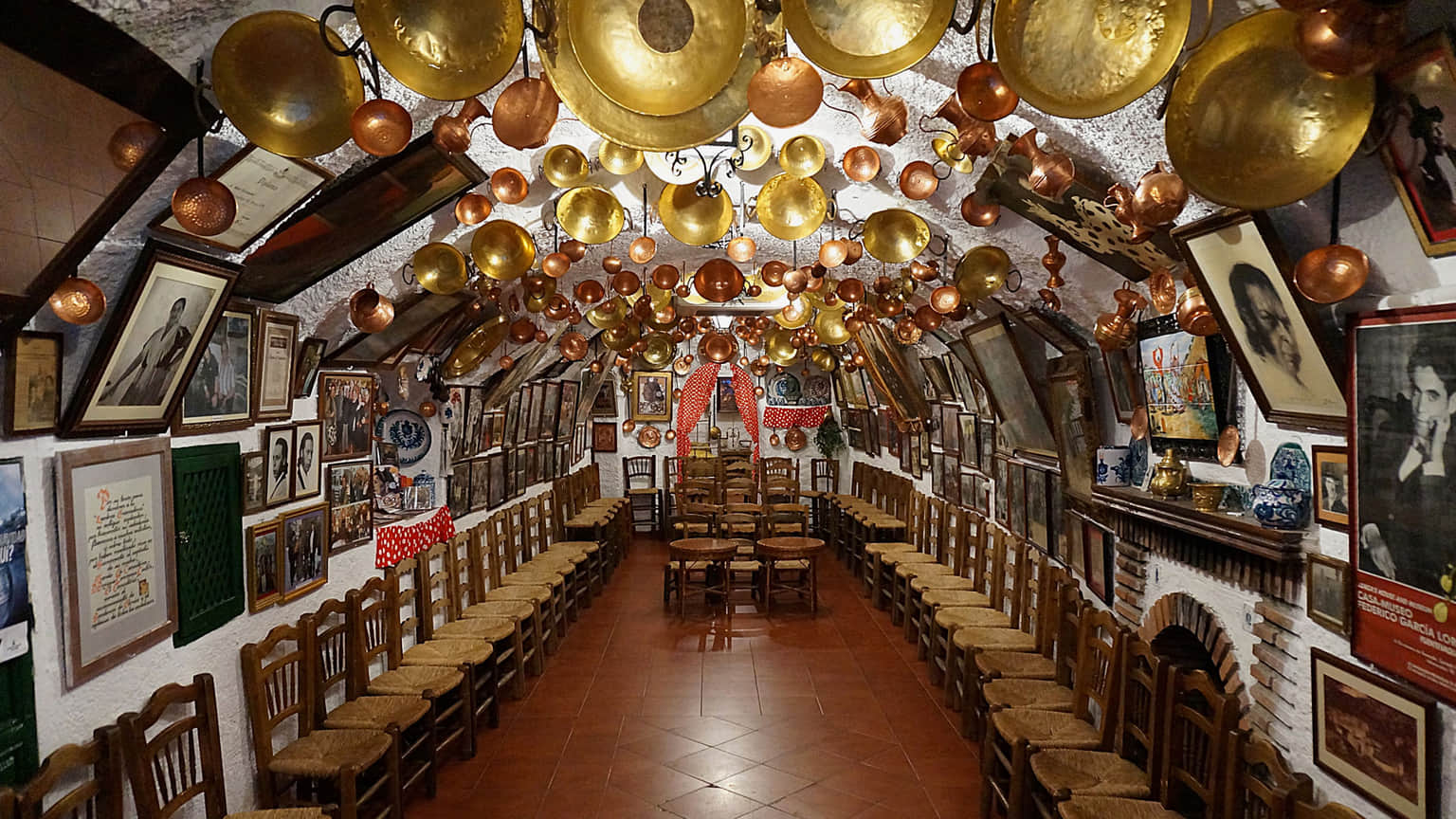

-1.jpg?w=1536&q=65&format=auto)
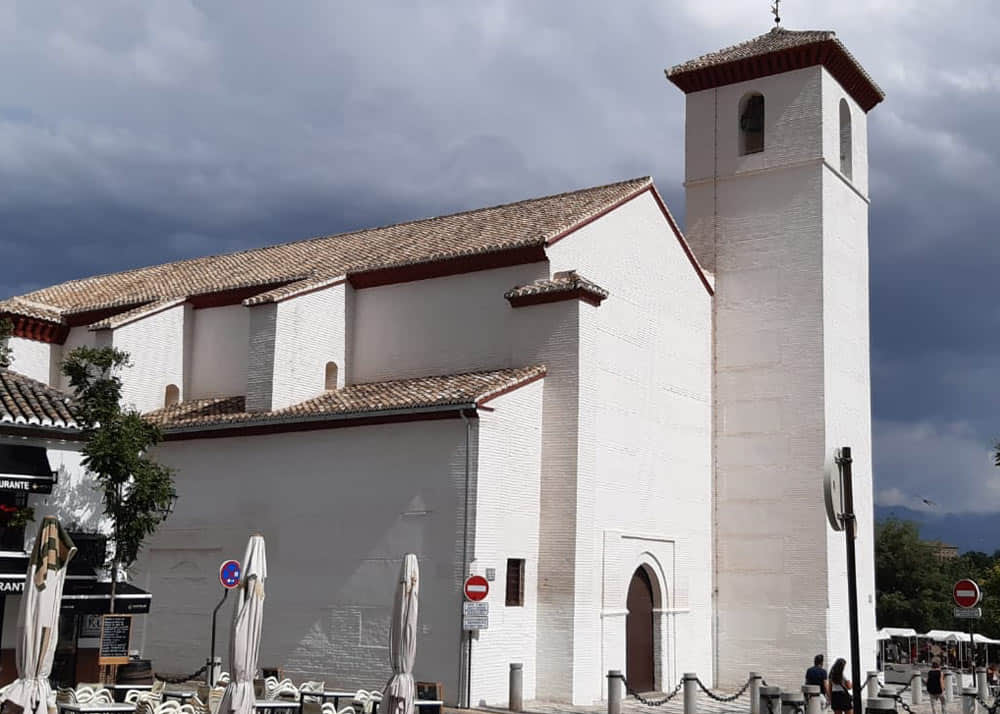

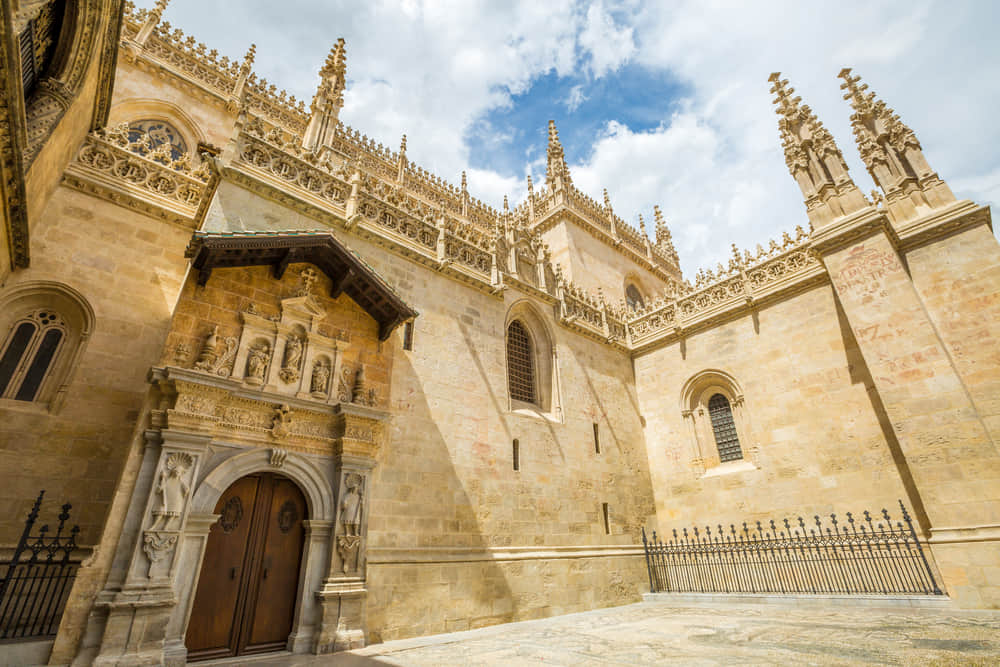
More Things to Do in Granada
Quick links to everything else worth a slot on a longer stay.