Vaidehi Patel27 Jan 2020
5.0
Booked: Westminster Abbey Tickets Book Now
Enjoyed greatly with the help of very friendly guide. All the places we visited were great, clicked many pictures. A big thumbs up!
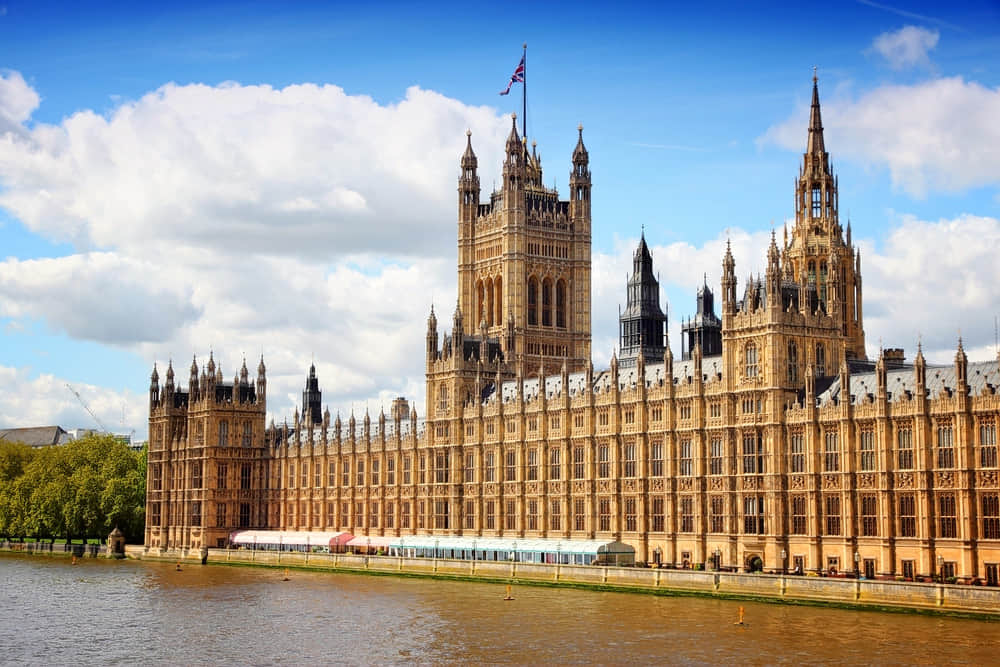
Palace Of Westminster opening hours through the week.

Happy customers from 70+ countries all around.
Rated across Trip Advisor and Google reviews.
Special curated Indian itineraries built for Indians.
Always there to help before and during trips.

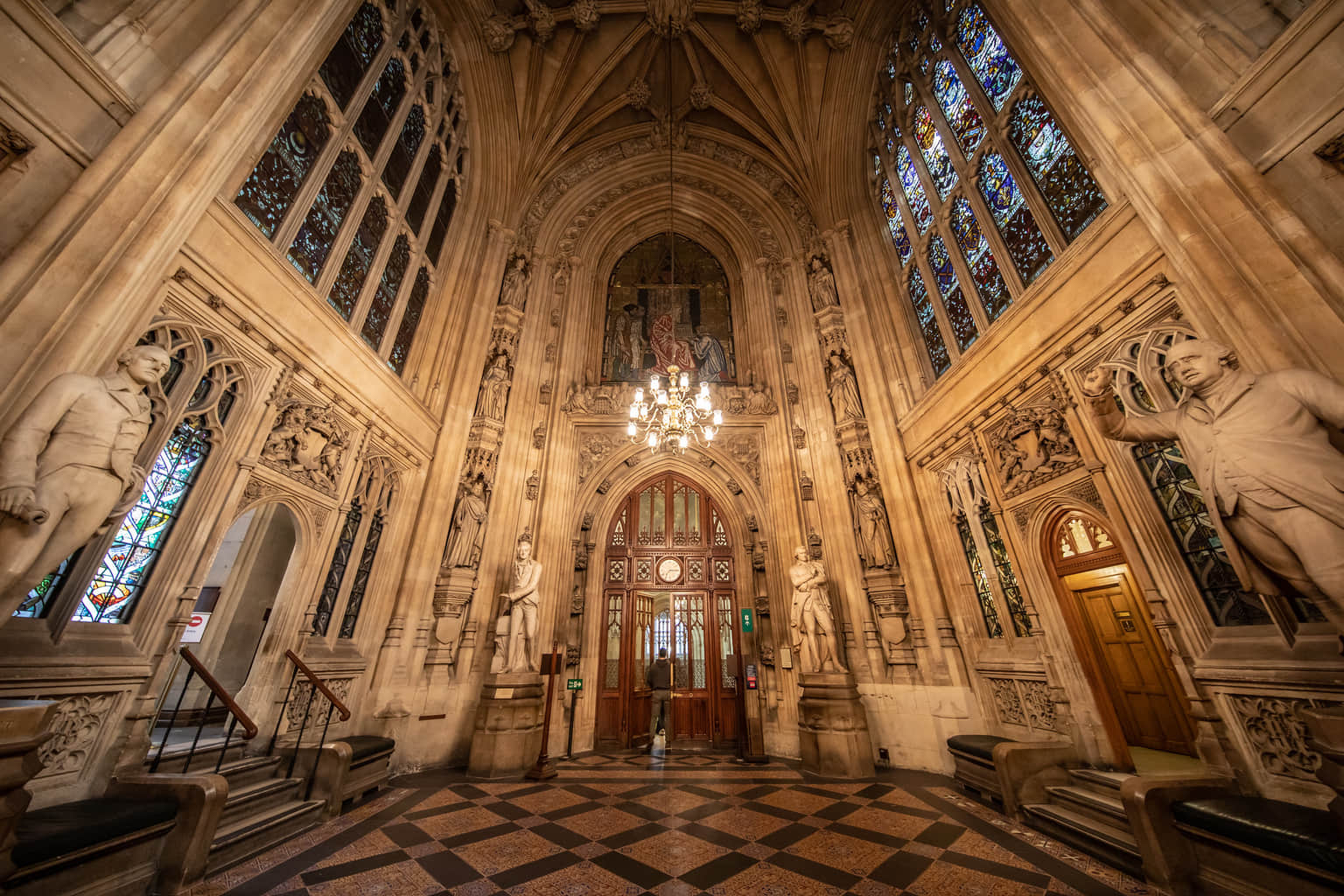
The Westminster Hall is one of the oldest standing structures in the palace and is a true mark of its rich heritage. It was built by William Rufus in 1097 and has since maintained its position as the center for ceremonies, banquets, and official gatherings. Over the years, it has housed several different administrative arms, such as the Court of Common Plea and the Chancery, and is now used as a meeting point between the House of Commons and the House of Lords.
Read More: Things To Do In London
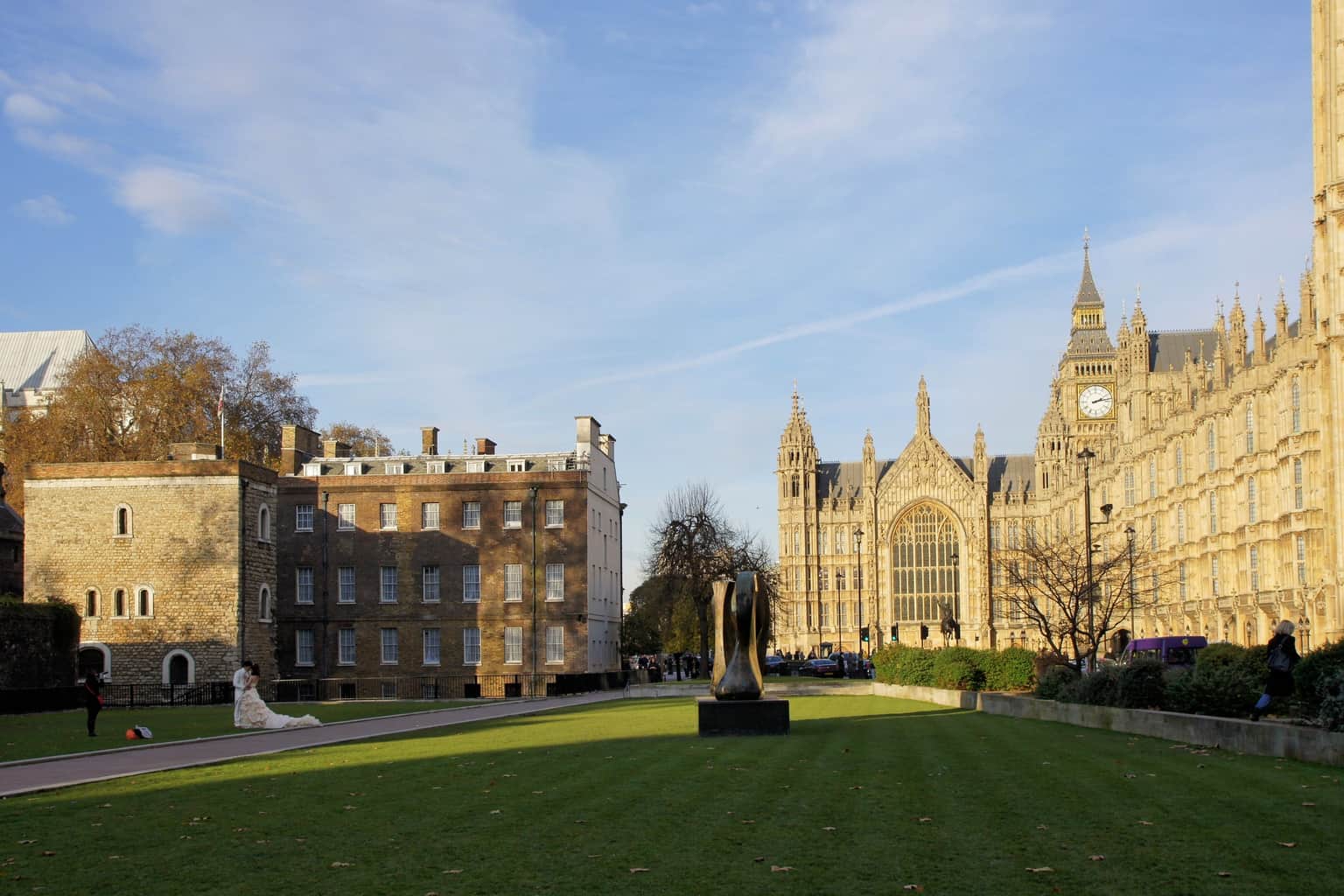
Across the road from the palace lies Jewel Tower, a quaint, charming structure, tucked away as a storeroom for ancient treasures. Aptly named Jewel Tower, it houses the Royal Family's jewels, gold, silver, and other artifacts away from the public gaze.
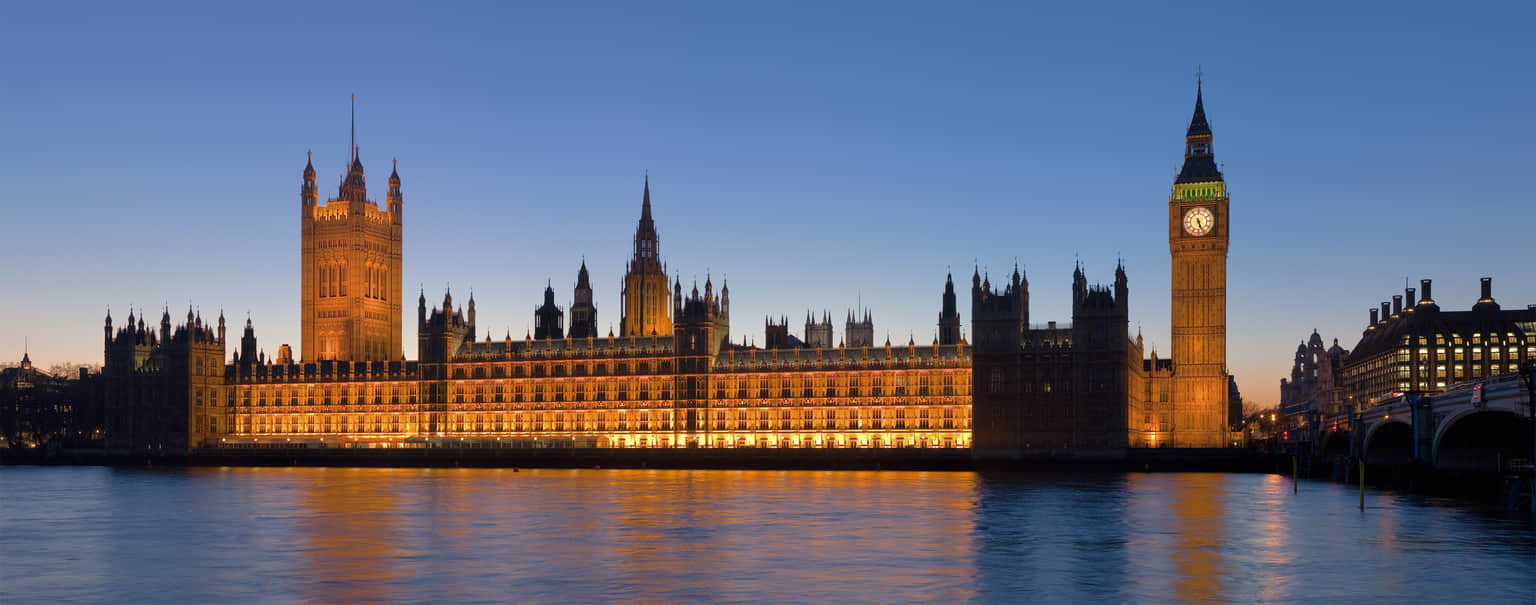
The Elizabeth Tower is a 325 feet stone tower that was once the tallest stone tower in the world. It is carved with beautiful archways and intricate design and served as a royal entrance for the longest time. Its tall archways were designed to provide passage to the Queen's royal coach. It is now used to store parliamentary records and the tales of people that have passed through it.
.jpg?w=1536&q=65&format=auto)
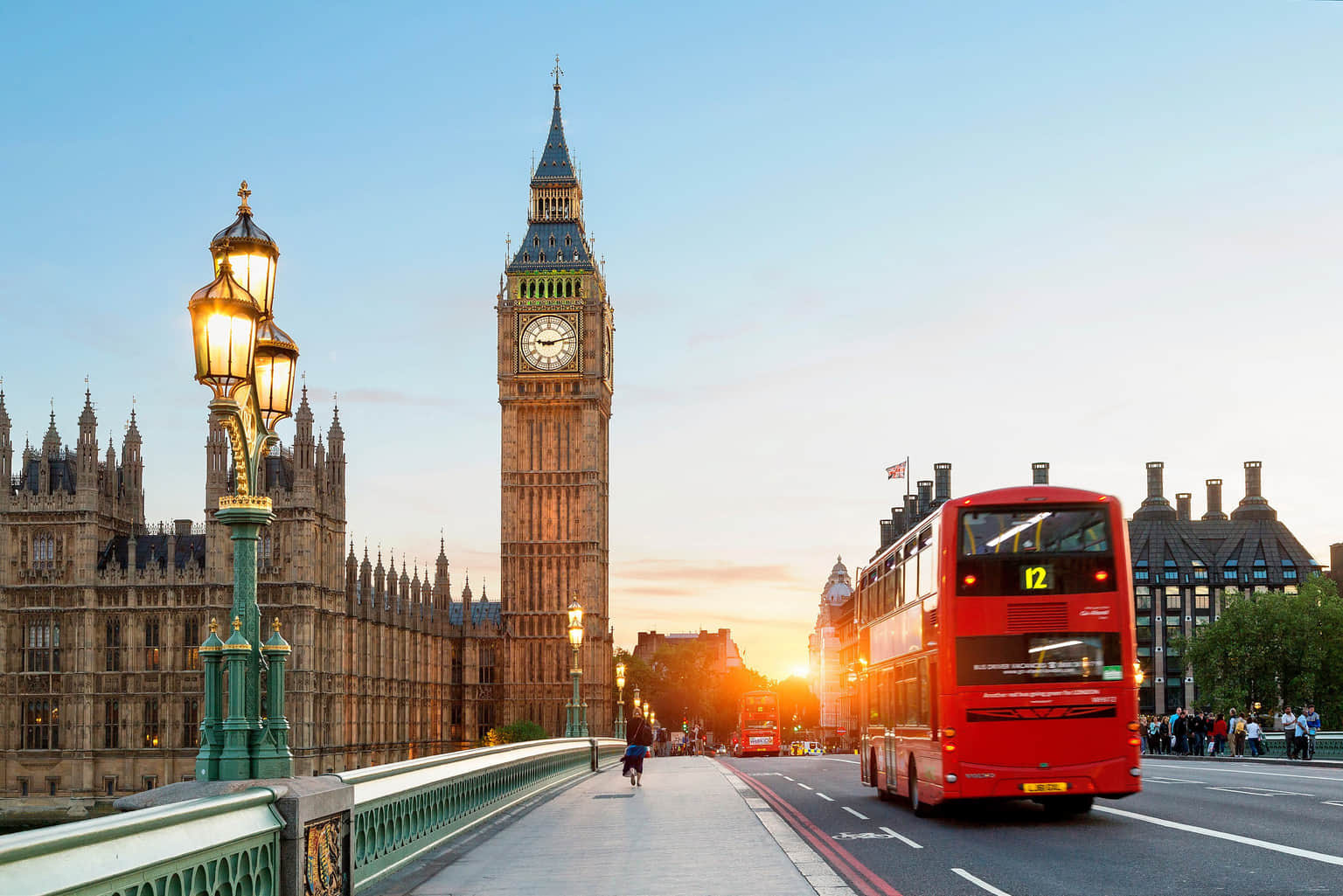
Most commonly known as Big Ben, the Victoria Tower is a world-famous structure and an instant identifier of the landscape of London. Its iconic clock face, designed by Augustus Welby Pugin, looks over the Westminster Bridge and Parliament Square.
Check This Out: Places To Visit In London
From 3 verified visits
Enjoyed greatly with the help of very friendly guide. All the places we visited were great, clicked many pictures. A big thumbs up!
Visited Buckingham Palace, Green Park, St James Park and many other places with this Westminster tour. The guide was great. Great experience
I wanted to See Westminster Abbey once. I Booked my tickets from Thrillophilia (Discounted). Thanks for the Help.
Quick links to everything else worth a slot on a longer stay.
.jpg?w=1536&q=65&format=auto)