Natural History Museum
London

Natural History Museum

Skip-the-lineFamily-friendlyValid 1 day

About Natural History Museum

The Natural History Museum London is a powerhouse of authorities' scientific inquiry and a voice on biological species. Engaging tourists and inspiring young visitors through innovative educational programs, the museum boasts a collection of 80 million objects, billions of years old. Explore this scientific marvel as part of our Europe tour packages, ensuring an enriching and educational experience.

Various researches are also going in the museum related to severe concerns like diminishing natural resources, damaging the ecosystem, declining food sources and much more.

Multiple analyses include the study of Madagascan tree ferns to figure out how climate change can affect rainforests, identifying the methods to prevent the weakening of British bumblebee, and exploring the ocean to understand how the changes in the environment exaggerate the ecosystem.

Natural history museum London also engages societies in the scientific debates and substituting a better understanding of the origin of sustainability, biodiversity, evolution and life. All this is done at the heart of the Museum.

With the help of the Museum’s education programmes, science is becoming exciting and accessible through hands-on interaction with face-to-face meetings and specimens with the experts. The museum is also the home to an essential collection of natural history specimens and owns the most extensive natural history library on the globe.

Natural History Museum Highlights

• Explore the Otumpa iron meteorite weighing 1,400 lb (635 KG) found in 1783 in Campo del Cielo, Argentina.
• Visitors can also learn about Latrobe nugget, i.e., one of the most significant existing clusters of cubic gold crystal.
• Natural history museum London had Moon rock samples from Apollo 16 until 1972.
• The museum houses the blue topaz gemstone, Ostro stone weighing around 4.4 lb (2 KG), 9,381 carats and is the largest of its kind in the world.
• You will be amazed to see a beautiful collection of 296 natural diamonds in various colours, popularly known as the Aurora Pyramid of hope.
• It also displays the very first iguanodon teeth.
• Children will be amazed to know that the Natural history museum London also has a full-size animatronic model of Tyrannosaurus rex.
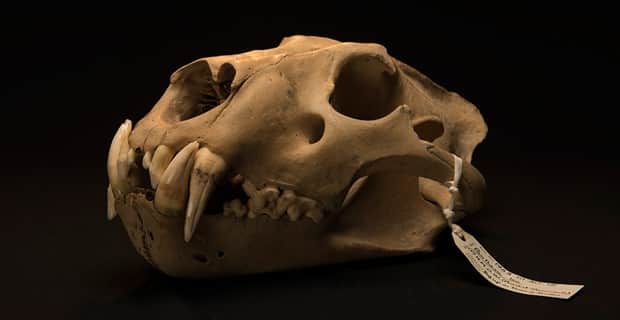
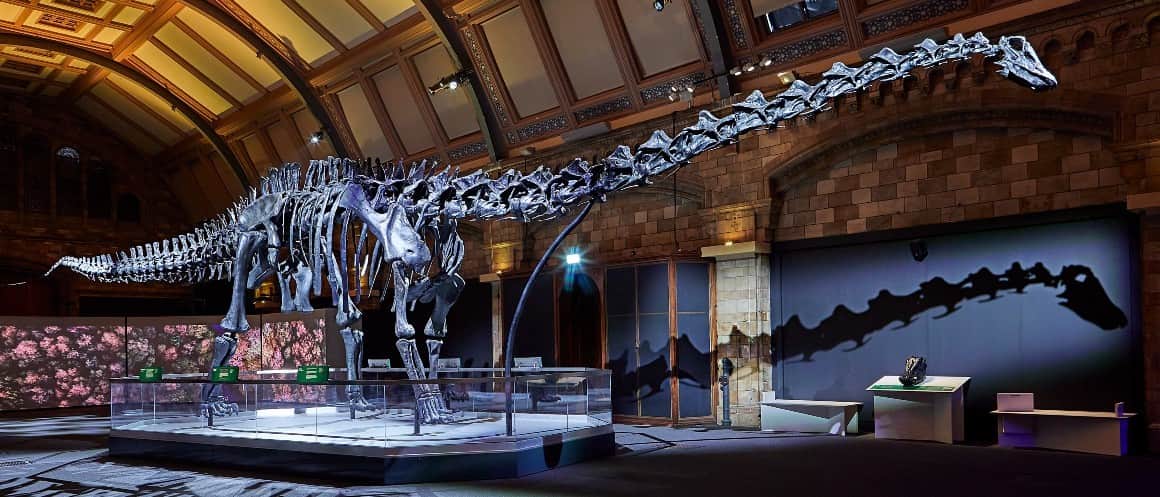
• There are many other skulls of extinct species like Triceratops and the most intact Stegosaurus fossil skeleton.
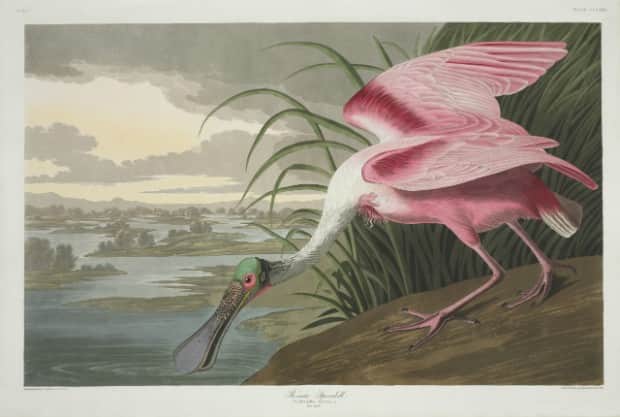
• The Museum library displays a rare copy of ‘The Birds of America’, which contains illustrations of a wide variety of birds in the US.
• You can also see the only surviving specimen of the Great Auk from the British Isles.

Recognised by the world's travel authorities
Adfbvcs
Bsfdg
Sacx
Sdcd
Wersfv

Natural History Museum Best Time to Reach

Tourists are also advised to visit the museum in the morning hours on weekdays, mainly Wednesdays and Thursdays to have a peaceful visit. Generally, the entire Natural history museum London is packed by noon. After lunch, i.e., 3.00 pm to 4.00 PM, the waiting time reduces as most of the crowd leaves by then. It is recommended not to visit the museum at 1.00 PM as this time the queues are the longest, specially on holidays.

Recommended Read: Places To Visit In London

Thrillophilia

Why Choose Thrillophilia?

3 Million+

Happy customers from 70+ countries all around.

4.8/5

Rated across Trip Advisor and Google reviews.

Curated With Love

Special curated Indian itineraries built for Indians.

24/7 Assistance

Always there to help before and during trips.

Natural History Museum Other Essential Information

1. The natural history museum has three entrances, i.e., the Queen’s Gate, Exhibition Road and Cromwell Road. The busiest entrance is Cromwell Road. So, you should choose Queen’s gate entrance of Exhibition Road as waiting time there will only be 5 – 10 minutes.

2. Cloakrooms are available for free at the reception of the National history museum. You can store your stuff easily. However, the cloakrooms are available on a first-come, first-serve basis.

3. Natural history museum London is divided into four zones, i.e., orange, red, green, and blue. You should plan which one to visit first and which one in the end in order to save time.

4. It will be better if you visit the Natural history museum London as soon as it opens to avoid long queues. Even during holidays visiting early morning is beneficial.

Suggested Read: Things To Do In London

Trussted Partners

Hotel & resort partners
Hotel & resort partnerHotel & resort partnerHotel & resort partnerHotel & resort partnerHotel & resort partner
Tourism boards
Tourism board partnerTourism board partnerTourism board partnerTourism board partnerTourism board partnerTourism board partner

How to Reach Natural History Museum

By Tube: South Kensington (Piccadilly lines, circle lines and district lines) is the closest tube station to the Natural history museum London. It is just a five minutes walk away. You can also reach the history museum from Gloucester Road station (Piccadilly lines, circle lines and district lines) in only 12 minutes.

By Cycle: Visitors can also reach the museum via cycles. The closest docking station is Santander cycles, located just outside the museum at the entrance of exhibition road.

By Bus: Tourists can reach the museum via bus routes 360, 14, 74, 414, and C1.

By Car: You can also reach via car; however, you need to use the nearby car parking which is a 15 minutes walk from the museum.

Planning A Trip To London, Book Our London Tour Packages Now!

Natural History Museum FAQs