Lodhi Garden, <em>Delhi</em>
Delhi

Lodhi Garden, Delhi

About Lodhi Garden


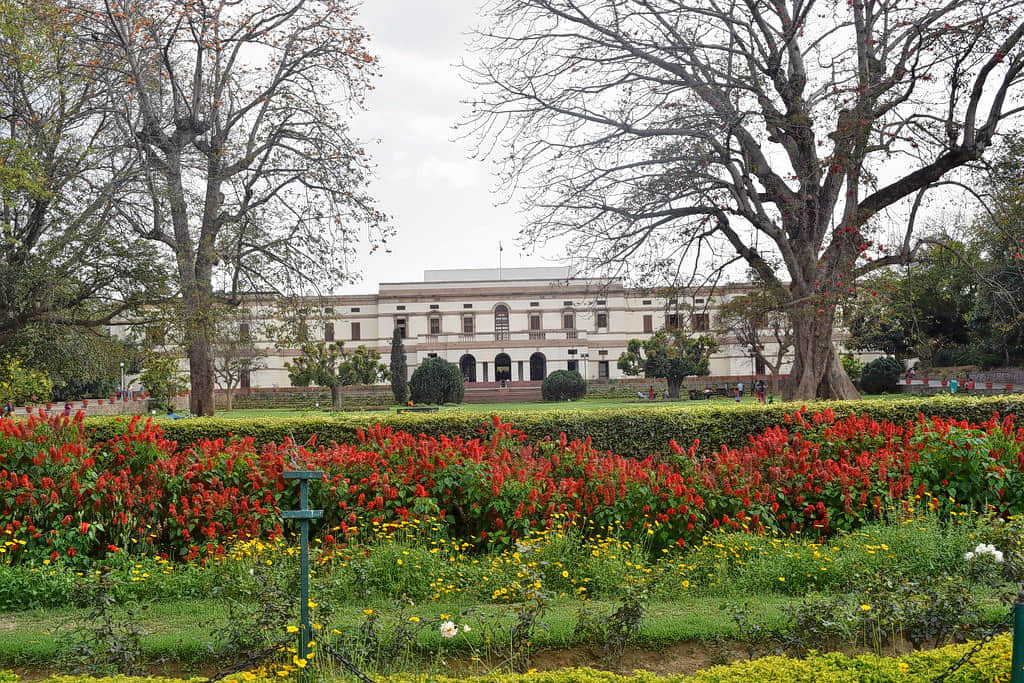
Symbolizing the national, historical, and architectural values, Lodhi Garden is a favourite getaway of Delhiites. Originally named after the wife of the British Resident, Lady Willingdon, the garden was the capital’s loveliest escape. Today, it has developed into a lush, tree-shaded garden with captivating monuments and plantation. 

The beauty of Lodhi Garden lies significantly in its architectural styles. The park consists of a few notable historical structures – tombs, lake, Athpula - an eight pillared bridge, and much more. Also, you will come across a well-crafted glass garden to see the wonders of bonsai park and rose garden. These fascinating plants blossoms and lights up in the morning.

It offers both educational and entertainment activities where you and your family can learn about the prehistoric era and the fearless story behind it. From local joggers to tourists, Delhi’s jewel is an epitome of historical beauty. 

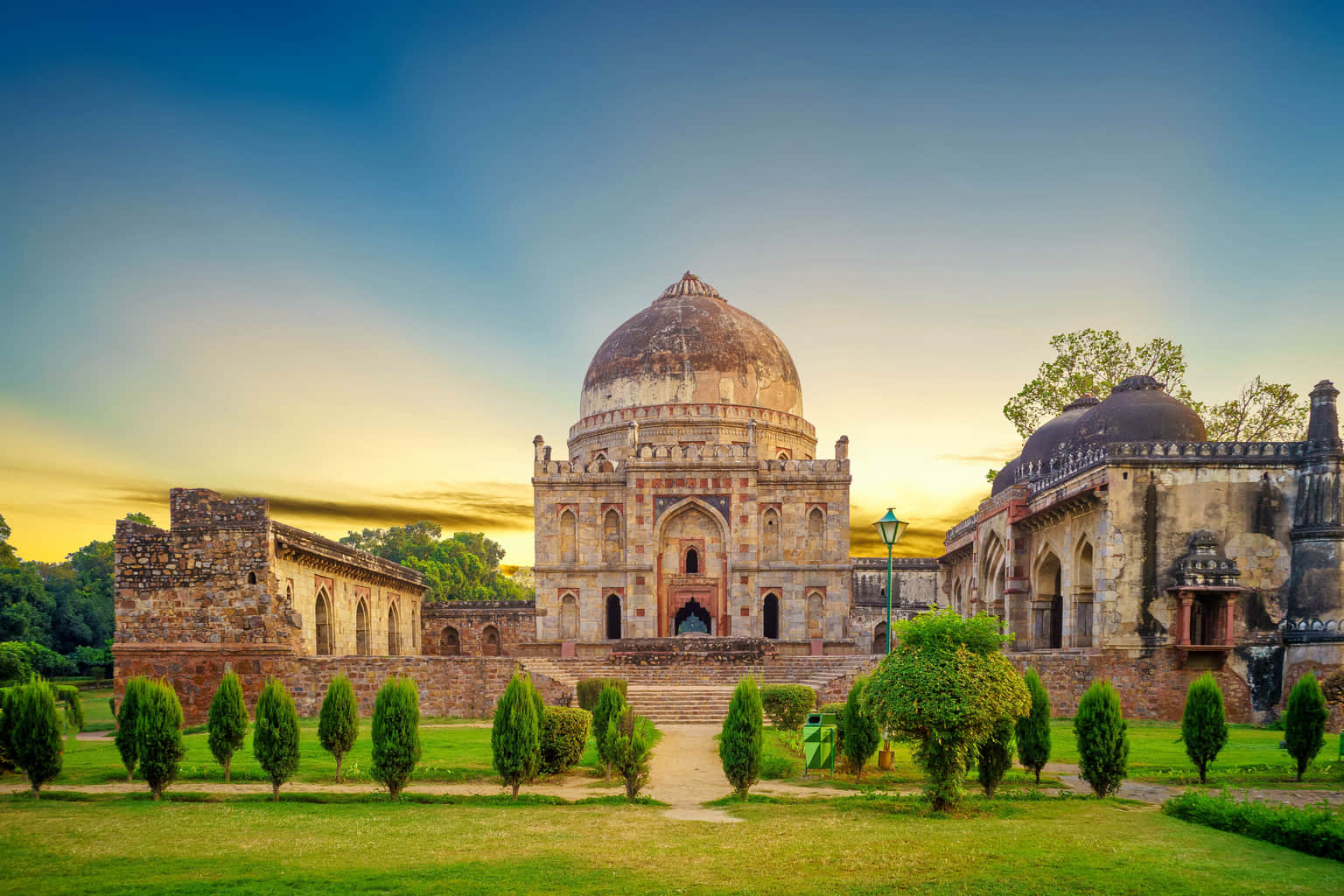
Tourists are bound to see stunning dome-shaped edifices, find a perfect picnic spot, and admire carved Indo-Islamic architectural style. It is a wonderful mix of nature, culture, history, and fun-frolic.

After exploring Lodhi Garden, you can head out to the other attractions situated in the Lodhi estate. From the Khan market to the Safdarjung Tomb, this area is filled with a variety of choices. Or, if you are an art fanatic, you can visit India Habitat Centre as well. 

There would never be a dearth of activities in and around Lodhi Garden. A complete blend of history and nature; be sure to check out the Delhi’s jewel, Lodhi Garden in the city.

History of Lodhi Garden:


Lodhi Garden traces its history back to the 14th and 15th centuries by the Sayyid and Lodhi rulers. After the Lodhi dynasty and the Delhi Sultanate came to an end in 1526, invading Emperor Babur established Mughal rule in India. Although, there was no impression left on the Lodhi Garden.

Afterwards, the British Colonial government developed Lodhi Garden in 1936 and was designed by the wife of the then Governor-General of India, Lady Willingdon. In 1968, the garden underwent a makeover by American landscape architect Garrett Eckbo and architect Joseph Allen Stein. The makeover included the addition of a glasshouse, a lake, and installation of a bonsai park and rose garden.

The Architecture of Lodhi Garden:


The architecture of Mohammed Shah’s mausoleum features Islamic and Hindu styles. It consists of a huge central dome and eight chhatris. The eight small domed structures are beautified with a lotus finial and ornate pinnacles at the corners. It forms as an octagonal chamber and it is a sight to behold.

Surprisingly, the mausoleum of Sikander Lodi draws revelation from Mohammed Shah’s tomb. Its architecture is defined by the Indo-Islamic style. The structure consists of the same octagonal design along with a central dome, minus the chhatris.  It boasts of Mughal architecture design on the walls and you can enter the tomb through a domed pathway.

The architecture of Lodhi Garden is a complete blend of different styles of architecture and small details in the carving. Spread over almost 90 acres, the garden was designed by architect Garrett Eckbo and architect Allen Stein. They established a glasshouse in the garden, a lake with a fountain which further leads to the addition of a bonsai park and rose garden.

How To Reach Lodhi Garden


Located almost 18.9 km away from the airport, there are plenty of ways to reach Delhi’s jewel, Lodhi Garden. The quickest way to get to the garden is by hailing a taxi and the ride will almost take 19 minutes. Or, you can book online cabs to reach your destination.

If you want to explore the local whereabouts of the city, you can also take a bus from IGI Airport Terminal 2 station. There is no direct bus but you can arrive at Max Mueller Marg via Krishi Bhawan / Rail Bhawan metro station. The journey will take approximately 2 hours and 46 minutes.

Best Time To Visit Lodhi Garden


October to March is a really good time to visit if you want to avoid the scorching heat of the capital. Spring and winter are very pleasant and perfect for sight-seeing.

The visit should be completely avoided during April to June as the temperature can easily exceed 40 degrees Celsius. This time is definitely not meant for tourists to explore Delhi. During monsoons, from July to September, the weather can be quite unpredictable. It might rain heavily or not at all, also, sometimes it can get humid and sweaty.

Lodhi Garden Essential Information

Location – Situated on Main Lodhi Road, Lodhi Garden stands beside India International Centre and resides in New Delhi.

Timings – The visiting hours for the Lodhi Garden is between 6 am and 7.30 pm.

Price – There is no entry fee required for entering into Lodhi Garden.

Tips for visiting Lodhi Garden:


1. Delhi’s temperature is mostly dry and hot. Don’t forget to pack sunscreen for protecting your skin.

2. Wear comfortable shoes and clothes to enjoy freely. The heat and hustle-bustle would require free and convenient clothing.

3. Carry a scarf with you to save yourself from the heat.

4. Take an extra water bottle with you and stay hydrated.

5. Don’t litter the garden. Plastic wrappers, bottles, or poly bags must not be left behind.

6. Carry mosquito repellent cream with you for avoiding insect bites.

7. Visit during the day time to explore Lodhi Garden pleasantly.

8. During winters, the temperature around the garden can lower drastically. It can get breezy too, so don’t forget to pack heavy jackets and extra hoodies with you.

9. Take shades and goggles with you to save yourself from the sun’s baking rays.

10. Keep that umbrella handy in case of sudden rainfalls.

11. Take anti-pollution masks in case of a sudden change in the environment.

Thrillophilia

Why Choose Thrillophilia?

3 Million+

Happy customers from 70+ countries all around.

4.8/5

Rated across Trip Advisor and Google reviews.

Curated With Love

Special curated Indian itineraries built for Indians.

24/7 Assistance

Always there to help before and during trips.

Lodhi Garden FAQs

Popular Related Attractions

Red Fortfrom ₹99

Red Fort

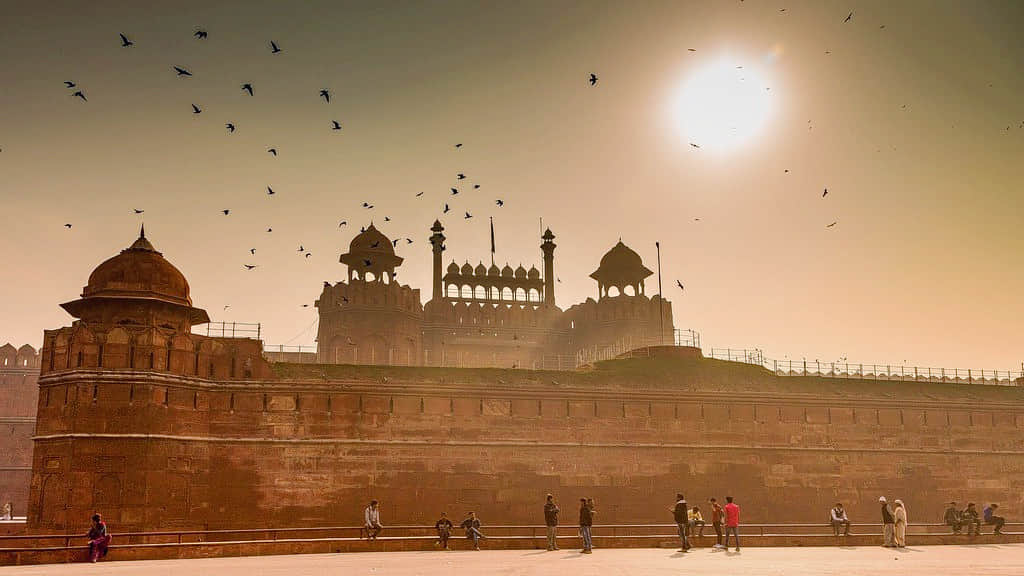
The colossal Red Fort in Delhi was the home of the formidable Mughal emperors for around 200 years until the British took over it in 1857. The fort is not just a symbol of the popular grandeur of the Mughal era, but it has withstand the trials of turbulent times, especially during India’s most historical events that shaped the foundation of the country. This is one of the most famous tourist attractions of the national capital. The UNESCO declared the Red Fort a World Heritage Site in 2007, in recognition of its significance. Red Fort is one of the most celebrated monuments of India and is the symbol of valour and peace.This 17th century monument is of octagonal shape and it covers around 255 acres of land. The total number of gates here is three. The royals used to enter the fort through the Khizrabad Gate that has been closed for commoners now. The Lahore and Delhi Gates are open to locals and tourists. The fort was planned to house a palace inside its campus. The Red Fort still a historical and architectural wonder.Location: The Red Fort is based on a 255-acre of land near the western bank of the Yamuna. The Chandni Chowk of Old Delhi ends at the vicinity of Red Fort. The business district of Connaught Place is located a few miles north of the fort.Price: The entry ticket price of Red Fort is Rd 35 for native Indian citizens. For foreigners, the tickets are priced at Rs 500. If you opt for the light and sound show at the Red Fort, it will cost you Rs 60 per adult person, while for children, it is Rs 20 per head. During the weekend, the ticket prices vary a bit. For adults it is Rs 80 and Rs 30 for kids.Timing: The Red Fort remains open every day from 9.30am to 4.30pm.

More Things to Do in Delhi

Quick links to everything else worth a slot on a longer stay.