JNP has all basic facilities like clean drinking water, washrooms, souvenir shops, and wheelchair friendly infrastructure. The tickets of the Sky Theatre show can be booked at the bookmyshow portal.
The planetarium has enough paid parking space. Apart from these, there are many more modern and technological facilities at Jawaharlal Nehru Planetarium that has made it one of the best planetariums in India.
Library: The planetarium has a small library that has about 3000 volumes that are ideal for school students to sit and read. There are also a few periodicals available here. However, the library does not lend books.
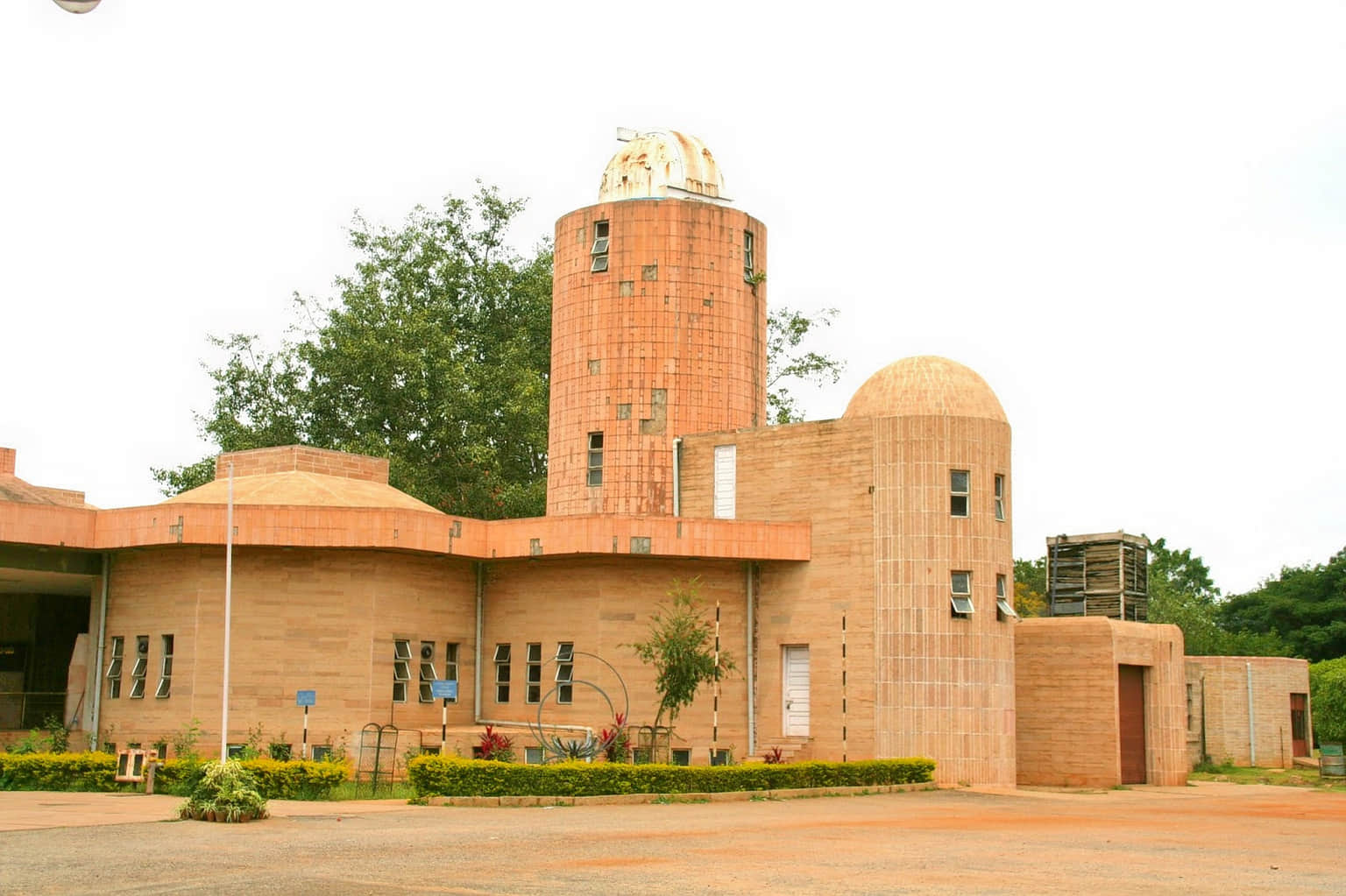
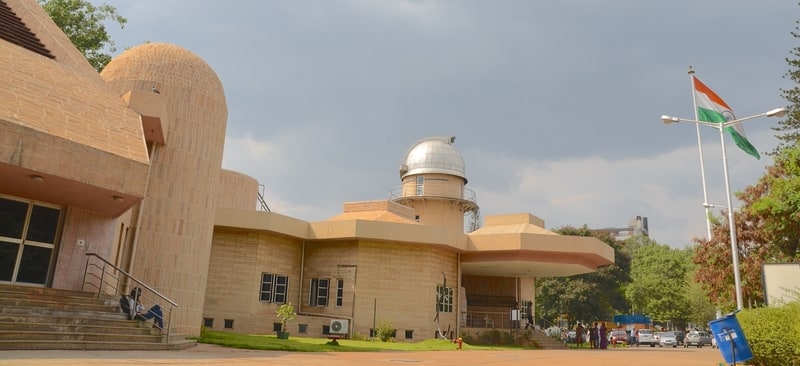
Telescope Facility: The telescope observatory at the museum a Carl-Zeiss 6” refractor telescope on a Coude mount. The telescope has a tracking system attached to it that compensates the earth's rotation; and so, despite the constant rotation of the Earth, the celestial object that is focussed through the telescope can be viewed for a longer time.
During events like eclipses and transits, the observatory is put to academic use and for public use.
Laboratories: The planetarium in Bangalore has a modest laboratory where various Physics experiments related to Optics, Mechanics, Sound and Electricity and Magnetism can be carried out. Students who attend various science programs can use this laboratory to solve their problems.
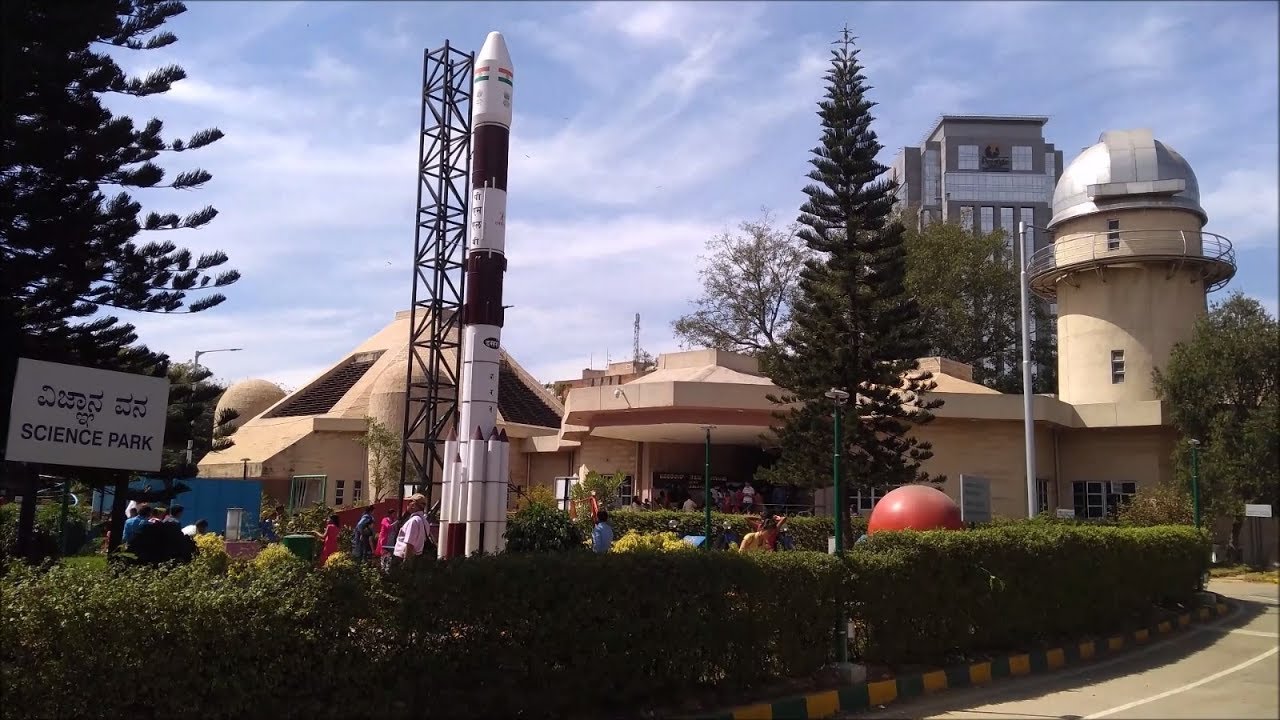
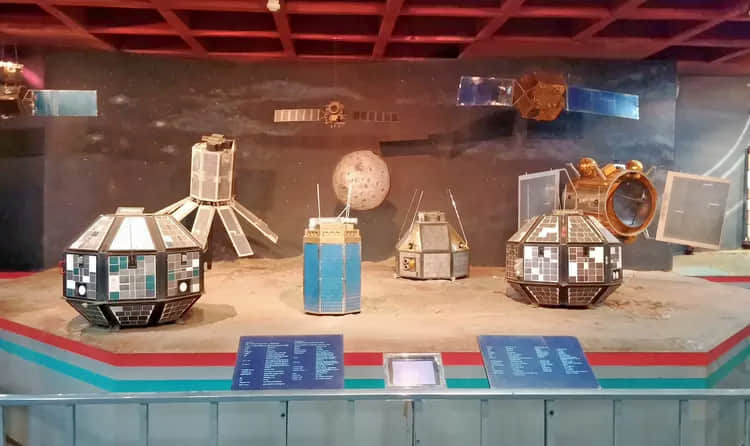
Science Park: This is an exhibition hall inside the planetarium where many interesting space-related projects are exhibited for the commoners to experience. The highlight of the Science Park is The Gallery; which has a weighing machine that shows the possible weight of a person on various planets and our Moon.
You can even take the results in a hard copy at a nominal cost. The roof of the Science Park has an interesting art of the sun and its family of planets hanging from the ceiling. The planets are made with different metals so that they mimic their real counterparts in color.
The outdoor science park has working models of experiments like Resonant Swings, Whispering Dishes, Sun Dial, D.N.A., and a giant Kaleidoscope.
Know Your Stars event: On the first Sunday of every month, a lecture session happens in the evening at the sky theatre where the sky of that night is simulated. The session introduces its visitors to the night-sky viewing and briefs them about the celestial highlights of the month.
The stars and constellations are identified and all the visitors are provided with the star chart of that day. In the end, visitors are taken out for live viewing of the Moon, planets, and stars in the open sky through telescopes.
Monthly Movie: On the third Sunday of every month, interesting science movies are screened at the planetarium on diverse topics related to science. These movies are screened for free.
National Science Day: Jawaharlal National Planetarium celebrated National Science on 28th February every year. On this day, many programs like thematic poster exhibitions, interactive sessions for teachers, and workshops are conducted.