Starting from
₹3,540 / Adult
Uluwatu Temple opening hours through the week.

Happy customers from 70+ countries all around.
Rated across Trip Advisor and Google reviews.
Special curated Indian itineraries built for Indians.
Always there to help before and during trips.

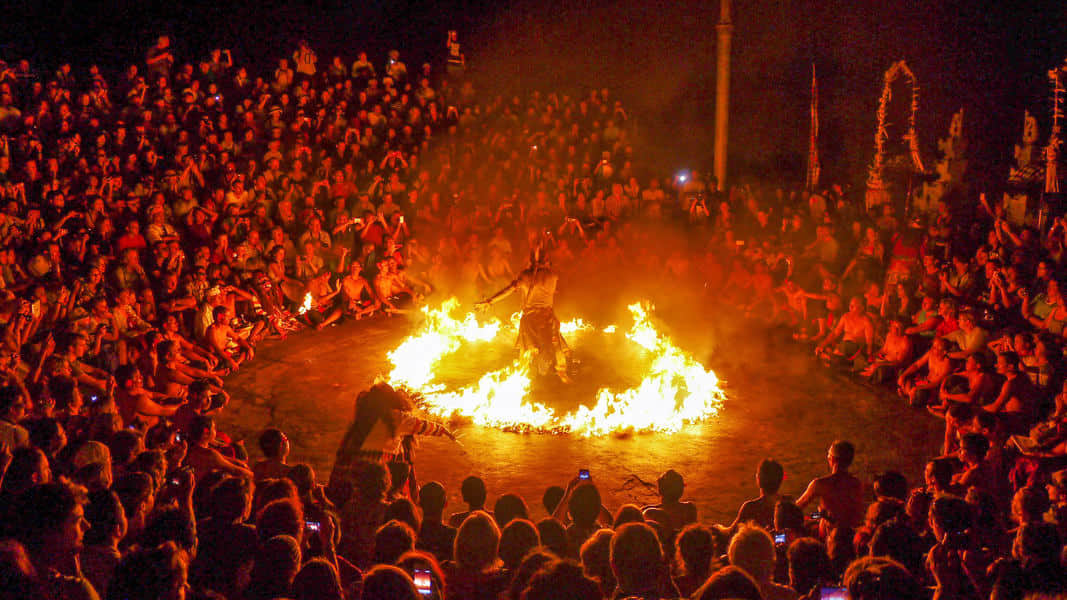
You will get an interesting glimpse into Balinese culture and performing arts when you visit Uluwatu Temple in Bali. Take delight in the Kecak dance hosted on the open stage of this temple. The dance performance commences at 6 pm and ends soon after sundown.
A dance troupe of 75 male dancers moves down onto the open stage with arms stretched and vibrating hands held up in the air while singing their quick-paced Chak choruses over and over again.
The prelude consists of the five episodes of the great epic Ramayana with graceful dancers attired in decorative costumes enacting the epic with fast or slow tempos. The dance troupe looks marvelous on stage complementing a scene of love or trepidation.
The synopsis of Kecak dance is the story of Lord Rama, the Ayodhya prince exiled by his father, King Dasaratha after a conspiracy hatched by Rama’s stepmother Queen Kaikeyi. Then, Rama’s wife follows him and gets kidnapped by Ravana of Lanka.
Then, Rama with the aid of monkey King Hanuman and his army set Sita free from Ravana’s clutches, after Ravana is killed in the battle.
The two lovers, Rama and Sita reunite once the sunsets and the fire burns and flickers in the middle of the stage against the backdrop of the dark sky and chants subsiding. Watch the fire dance with the sunset in the background.
Also Checkout: Places To Visit In South Bali
From 11 verified visits
entrance fee was not included but we were aware of it. but we each paid 50k rupiah for the entrance which adds up to the amount which made it very expensive. just for the kecak performance, there are cheaper options in bali. but it was a fun and good cultural experience and performance. we all enjoyed ourselves. there was an express line for online booking which was great but the place was packed with so many people so be prepared to be packed like sardines. come early to get good spots. there were audience interaction too which was super fun. the vocals made by the ensemble was superb.
I enjoyed my trip. My guide Yogi was very knowledgeable. The sunset was beautiful and Kecak Fire dance was marvellous.
This scenic view was fantanstic, it's like never seen beauty. The guide accompanied us, had really amazing knowledge!
The Kechak tour is such a vibrant experience, and the kids loved it the most. Hands down the best way to introduce them to Ramayan stories and such in a great way! Thanks team Thrillophilia for such a wholesome experience.
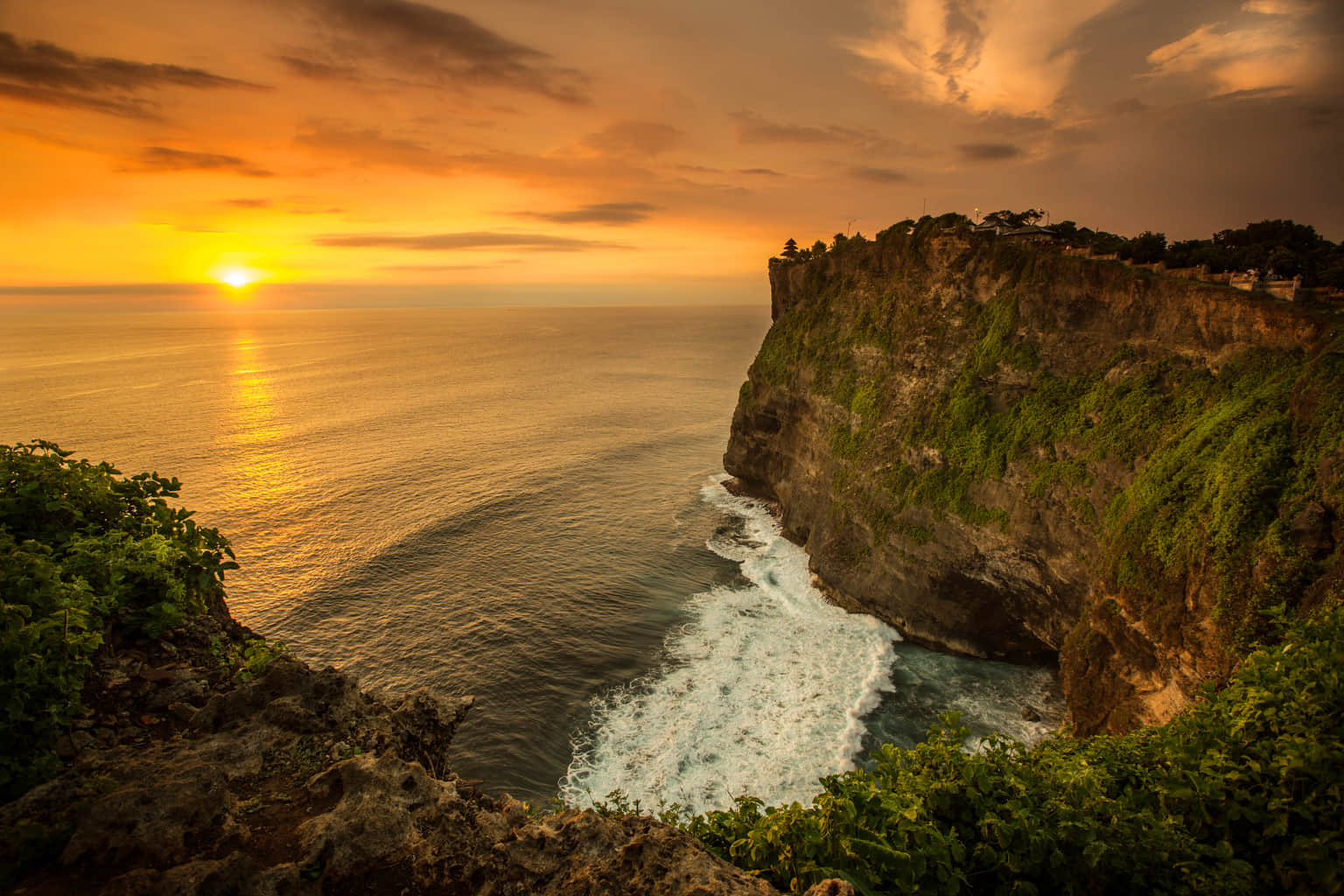
This sunset tour of Uluwatu ended with me and my partner getting a chance to witness the famous Kecak dance. With the sun setting behind us, the views of the ocean from the cliff and the amazing performances with fire, our experience of this tour was simply amazing. Would surely recommend this package by Thrillophilia to everyone.
Quick links to everything else worth a slot on a longer stay.





.jpg?w=1536&q=65&format=auto)

%20(1).jpg?w=1536&q=65&format=auto)