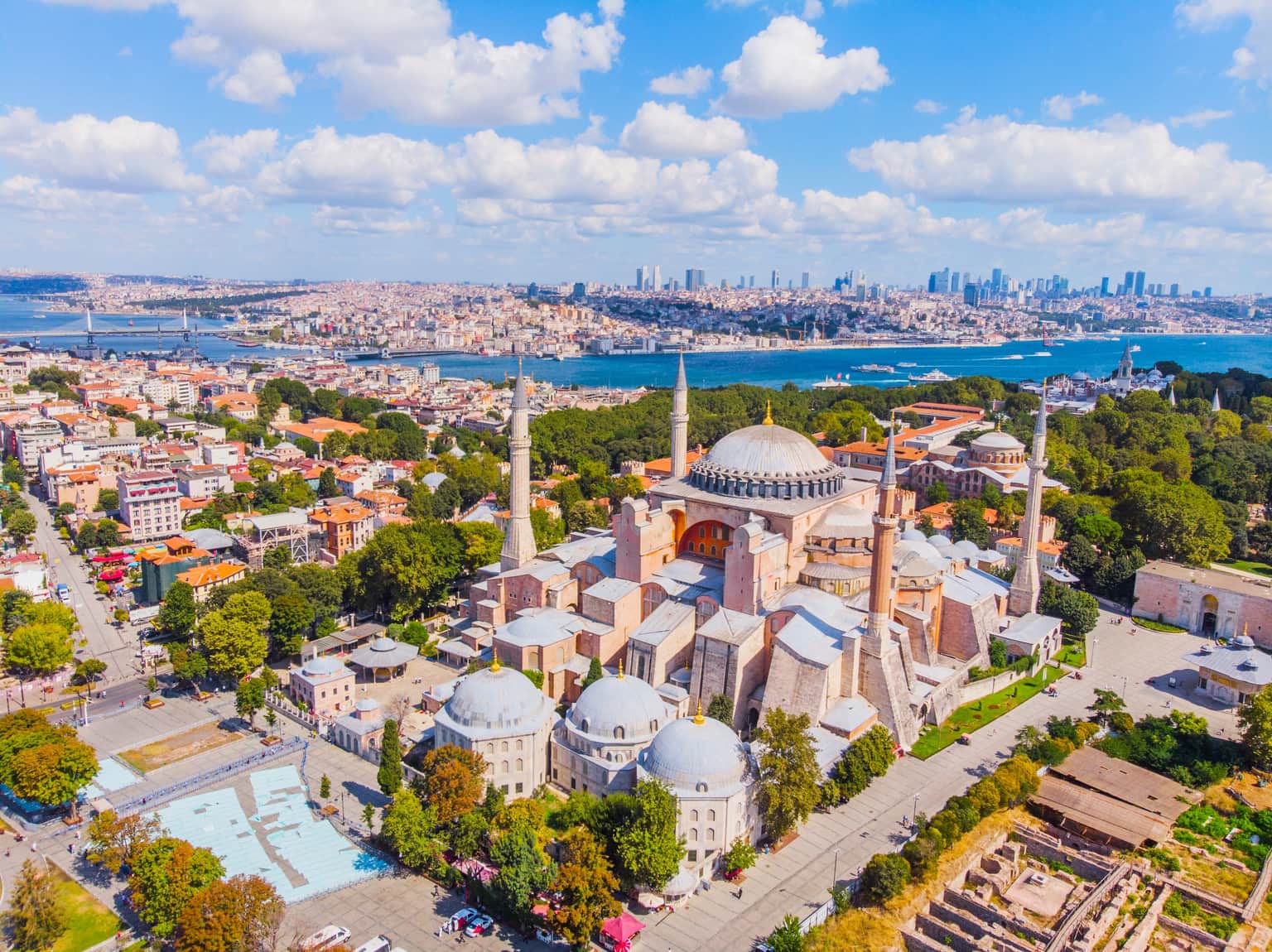
Topkapi Palace, <em>Istanbul</em>
Istanbul

Topkapi Palace, Istanbul

From6,03620% OFF
4,829/ Adult

About Topkapi Palace

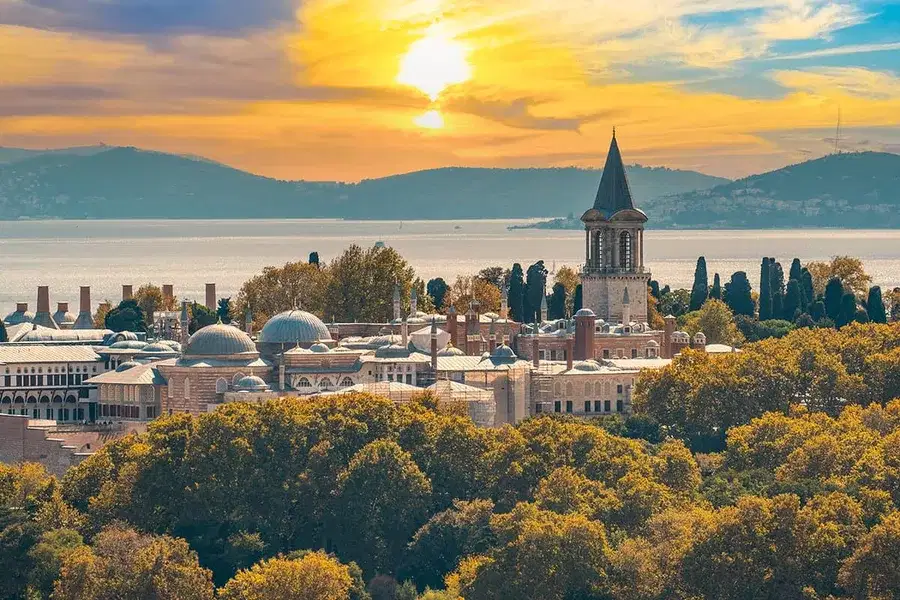
Topkapı Palace, perched on the edge of Istanbul's historic peninsula, offers a glimpse into the opulent lives of Ottoman sultans. Built in 1459 by Sultan Mehmed II after conquering Constantinople, this palace complex was the heart of the Ottoman Empire for nearly four centuries. Its strategic location overlooks the scenic confluence of the Bosphorus, the Golden Horn, and the Sea of Marmara, providing panoramic views. The intricate design of its gates and towers reflects the grandeur of an empire that bridged continents and cultures. Many Turkey tour packages include a visit to Topkapı Palace, allowing travelers to explore this iconic symbol of Ottoman heritage.

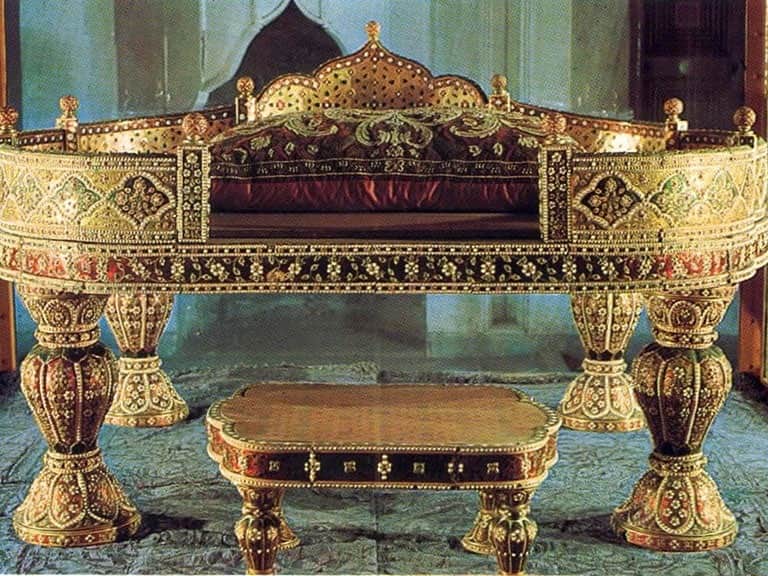
The palace architecture showcases Ottoman brilliance, featuring elaborate courtyards, lush gardens, and majestic buildings that tell tales of a powerful dynasty. The Imperial Harem and the Treasury are the highlights, housing exotic treasures like the Spoonmaker's Diamond (Kaşıkçı Elması) and ornate royal artefacts. Visitors are often captivated by the delicate beauty of the Palace's tile work, with hand-painted ceramics adorning both the interior and exterior. The complex also includes sacred relics and a rich library, cementing its status as a cultural and historical epicentre. Today, Topkapı Palace is a testament to the lavish lifestyle and architectural prowess of one of history's most intriguing empires.

Topkapi Palace Ticketing Options

Topkapi Palace Highlights

• Explore the historic grandeur of Topkapı Palace, built by Sultan Mehmed in 1459, overlooking Istanbul.
• Wander through the Imperial Harem, once the secretive living quarters for the sultan's family and concubines.
• Marvel at the world-renowned Spoonmaker's Diamond, a breathtaking 86-carat gem housed in the Palace's Treasury.
• Enjoy the serene ambience in the lush gardens, originally designed as a private oasis for Ottoman sultans.
• Examine ancient manuscripts and religious relics in the Palace's extensive library, rich with historical treasures.

How To Reach Topkapi Palace


There are two ways in which you can reach the palace:

By Car/Taxi:
The journey is 50 km long and you can cover this distance by taking a taxi or Uber from Istanbul airport in about 40-45 minutes.  It costs approximately Rs 1500 and is the most hassle free medium of transportation.

By Bus:
Walk 250 meters to Istanbul Havalimani and from there, take a bus to Sultanahmet. From Sultanahmet, walk 400 meters to Topkapi Palace and overall this journey will take close to 1 hour, 50 minutes.

Best Time To Visit Topkapi Palace


Though you can visit all year round, there are specific times when the weather is pleasant, or crowds are less:

The best time to visit Topkapi Palace would be between March and May or between September and November. This is not the peak season so the hotels are still affordable and the temperature is also pleasant.

Try not to visit in late May and June as this is peak season and weather is sweltering, and the room rates are skyrocketing.

It is closed on Tuesdays, and there is a long queue on the weekends, so it is best to visit Topkapi Palace on Monday and Thursday morning. Because the Blue Mosque opens at 2:30 pm on Friday, there is a large crowd on Friday morning as well!

Topkapi Palace Essential Information


Location:
Cankurtaran, 34122, Fatih/Istanbul, Turkey.

Distance from nearest airport: The nearest international airport is the Istanbul Airport. It is 51 km away, and the taxi journey from the airport to Topkapi palace takes a good 40 minutes.

History of Topkapi Palace


The Topkapi Palace is strategically located where the earlier Greek and Byzantine empires were- overlooking the Golden Horn at the junction of the Bosphorus Strait and the Marmara Sea. After his conquest in 1453, this is the location Sultan Mehmed II pinpointed for his new palace.

He had grand plans for his palace and summoned the best masons and artisans to work here. Mehmed II himself visualized the layout and instructed his private chambers to be built on the top of the whole complex. Though the basic layout envisaged by their ancestor was not disturbed, future sultans did make a few changes.

It was expanded in the mid-1500s by Suleyman the Magnificent. In 1574, a fire destroyed the massive kitchen area, and the then sultan, Selim II, had many parts of the palace remodeled with the kitchen, including the harem, baths, and privy chambers.

Though we now see only four courtyards, there were actually five, but it fell into ruins and was destroyed when the shoreline railroad was being constructed. In fact, all of the shoreline structures have been demolished by the railroad construction, with the exception of Basketmakers kiosk, patronised by Sultan Murad II.

Architecture of the Topkapi Palace


The architecture of the Topkapi Palace is pretty unique, a form that has not been seen in any Turkish or European structure before. The palace had all the important chambers and courtrooms at the core of the structure. Then surrounding the main chambers were a handful of other buildings and pavilions.

The most important rooms were at the zenith of the hill, including the Sultan’s private chamber, which was at the peak. Then, winding down the hill, towards the shoreline were the less important buildings like the Basketmaker’s kiosk and the fifth courtyard.

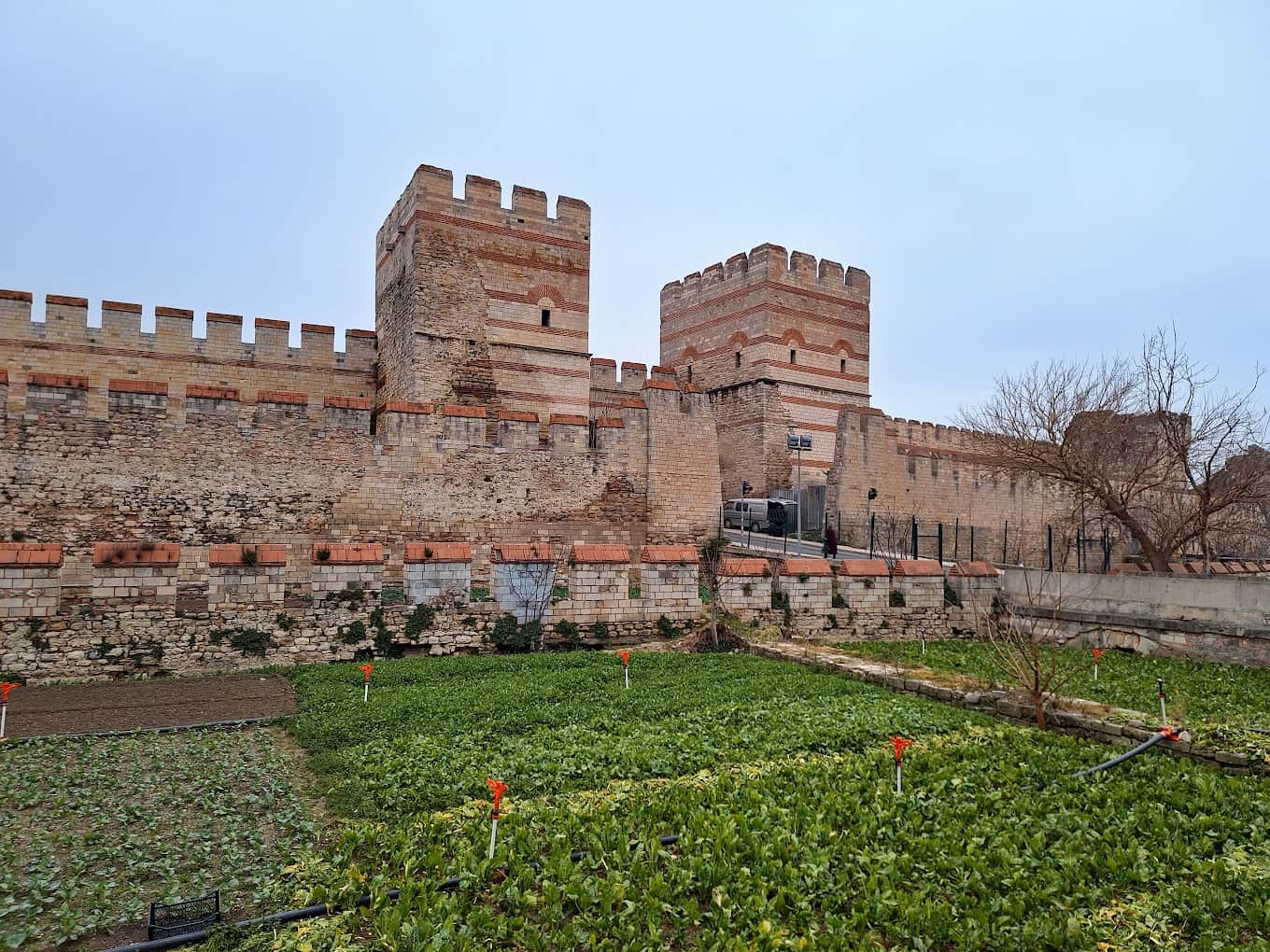
Surrounding the palace are high walls, some commissioned by the Sultan, and some from the erstwhile Byzantine empire. The palace currently has four massive courtyards, surrounded by smaller and lower buildings(mostly two-storied ones).

All the courtyards and buildings are interconnected by passages and galleries. The first courtyard is the outermost one, which almost everybody had access to. The fourth courtyard is the innermost one, accessible only to the Sultan, the topmost courtiers, and the concubines. In fact, the harem is located here, beyond the fourth courtyard.

The western and southern boundaries are bordered by Gulhane Park, the Imperial Flower Park. Various other buildings are also present near the shoreline in what was the fifth courtyard. The fifth courtyard and the other buildings near the shoreline have since been destroyed during the making of the railroad.

Imperial Gate of the Topkapi Palace


The road leading up to the main entrance of the Topkapi Palace is the Divan Yolu or the “Council Street”. This age old street has been used by Byzantine emperors and Ottoman sultans for their royal processions. The Imperial Gate of the Topkapi Palace is located on this street and it opens into the first courtyard.

It is located to the south of the palace and is called Sultanat Kapisi or the “Royal Gate”. The gateway, earlier made of stone, is now a beautiful marble structure, having been remodelled as late as the 19th century. It opens into a stone arch, which has a dome inscribed with verses of Quran and tughras of the sultans.

The Ottoman calligraphy is what accentuates the beauty of the dome. Legend has it that there was a wooden compartment over the Imperial Gate once upon a time. Whenever a resident of the palace passed away without legitimate heirs, their property was deposited into this compartment and then later taken into the treasury.

And during processions, this is where the ladies of the harem were allowed to stand and watch the majestic occasion.

Security Concerns of Topkapi Palace


Historians have rued the fact that the Turkish government has not done enough for the security of this important palace. There is no climate-controlled room for the safekeeping of the manuscripts, and the only reason why the palace has survived the earthquakes is because of the thick walls.

In fact, in 1999, thieves made off with a 12th century Quran, and yet, not much has been done to prevent these. The worst incident happened when in 2001, Libyan revolutionary Samir Salim Ali Elmadhavri opened fire here on unsuspecting tourists. The SWAT team finally killed him, and this led to more security being placed in the palace.

Tips for traveling to Topkapi Palace


- Since it's usually very crowded, we have curated a  few tips which will make the tour more pleasurable!

Book tickets online beforehand to stay away from long queues

Go on a Monday morning to experience the beauty of the palace properly as it is the least crowded.

Since the Blue Mosque is closed till 2:30 pm on Friday, the palace is very crowded during the morning and therefore you should avoid not to plan the palace trip on a Friday

Winter is also a good time and if you can bear the cold, you can tour the palace in peace!

Thrillophilia

Why Choose Thrillophilia?

3 Million+

Happy customers from 70+ countries all around.

4.8/5

Rated across Trip Advisor and Google reviews.

Curated With Love

Special curated Indian itineraries built for Indians.

24/7 Assistance

Always there to help before and during trips.

Point of Interest for Topkapi Palace

Discover the Riches of the Imperial Treasury

Discover the Riches of the Imperial Treasury

Step into the four rooms of the Imperial Treasury to marvel at items like the Spoonmaker's Diamond and the emerald-laden Topkapi Dagger. Each piece here tells a tale of luxury and artistry, from intricate jewellery to ceremonial attire and royal regalia. It is a chance to see firsthand the lavish lifestyles and tastes of Ottoman sultans. Beyond the famed jewels, explore the meticulously crafted armour sets and the intricately decorated weaponry, each reflecting the technological advancements and artistic mastery of its time. The Treasury also houses rare manuscripts and delicate miniatures that illustrate the cultural and intellectual pursuits of the empire.
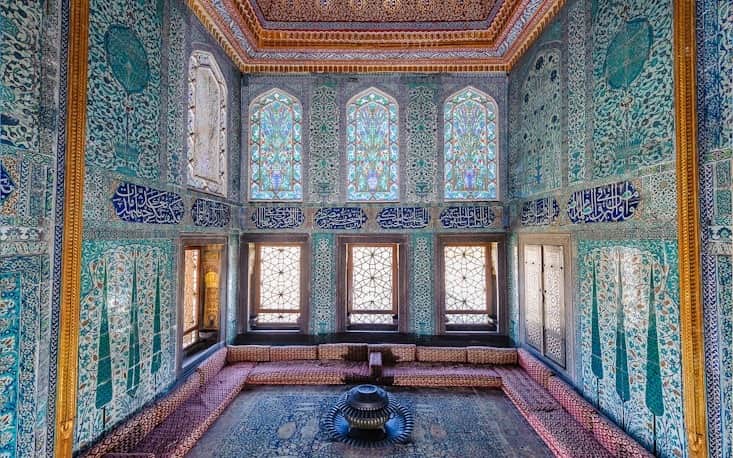
Wander through the Luxurious Harem

Wander through the Luxurious Harem

Head to the Harem during your visit, which is more than just living quarters. The Harem also served as the heart of the Palace's social structure. As you pass through its corridors, you will encounter the ornate spaces where the sultan's family lived. See the lavish decorations, from Turkish baths to richly adorned private chambers, and get a sense of the daily life. Learn about the role of women in the Ottoman empire's government, from powerful leaders like the Valide Sultan to influential consorts. The complex hierarchy and the strategic alliances within these walls played crucial roles in the administration of state affairs.
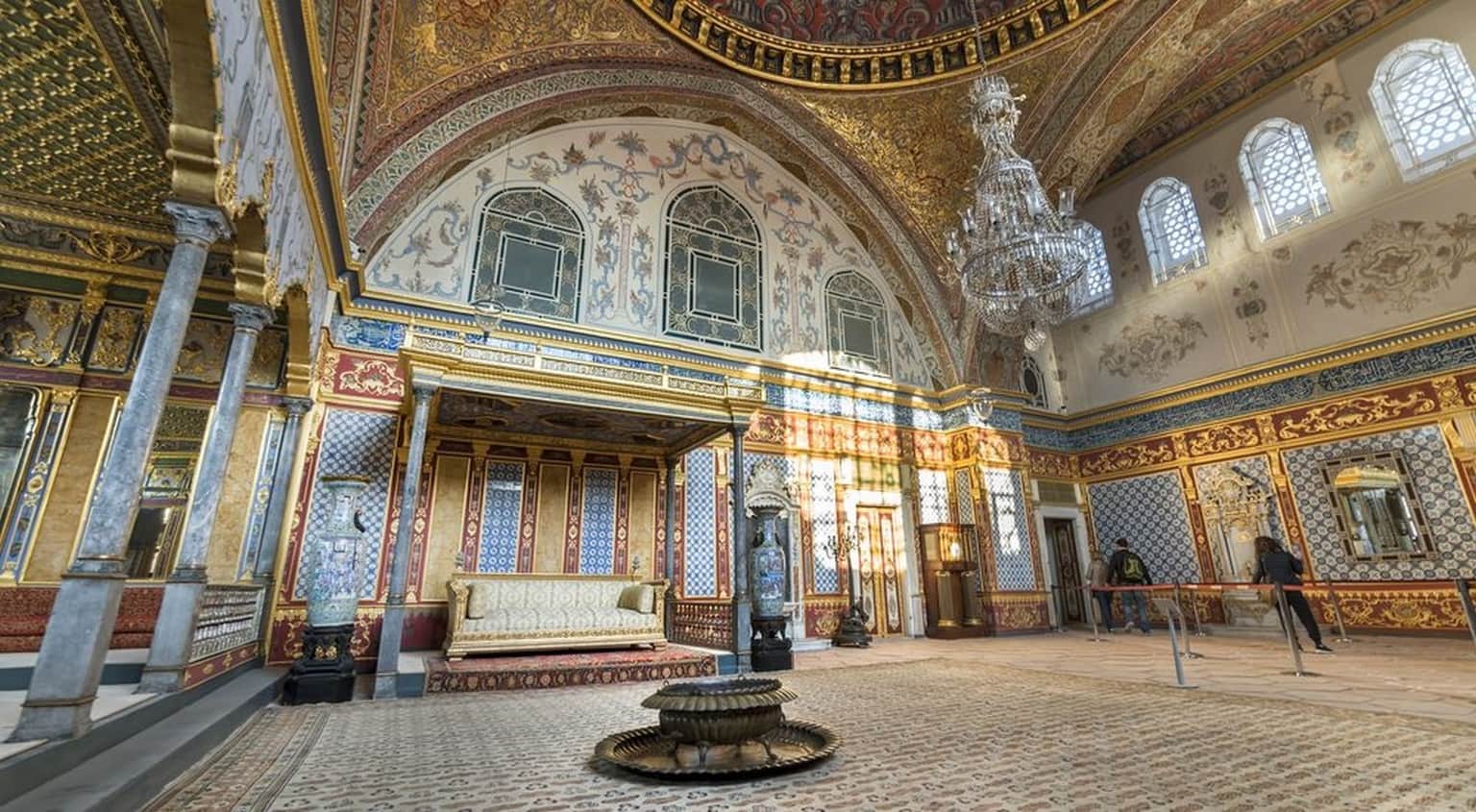
Admire Ottoman Architectural Brilliance

Admire Ottoman Architectural Brilliance

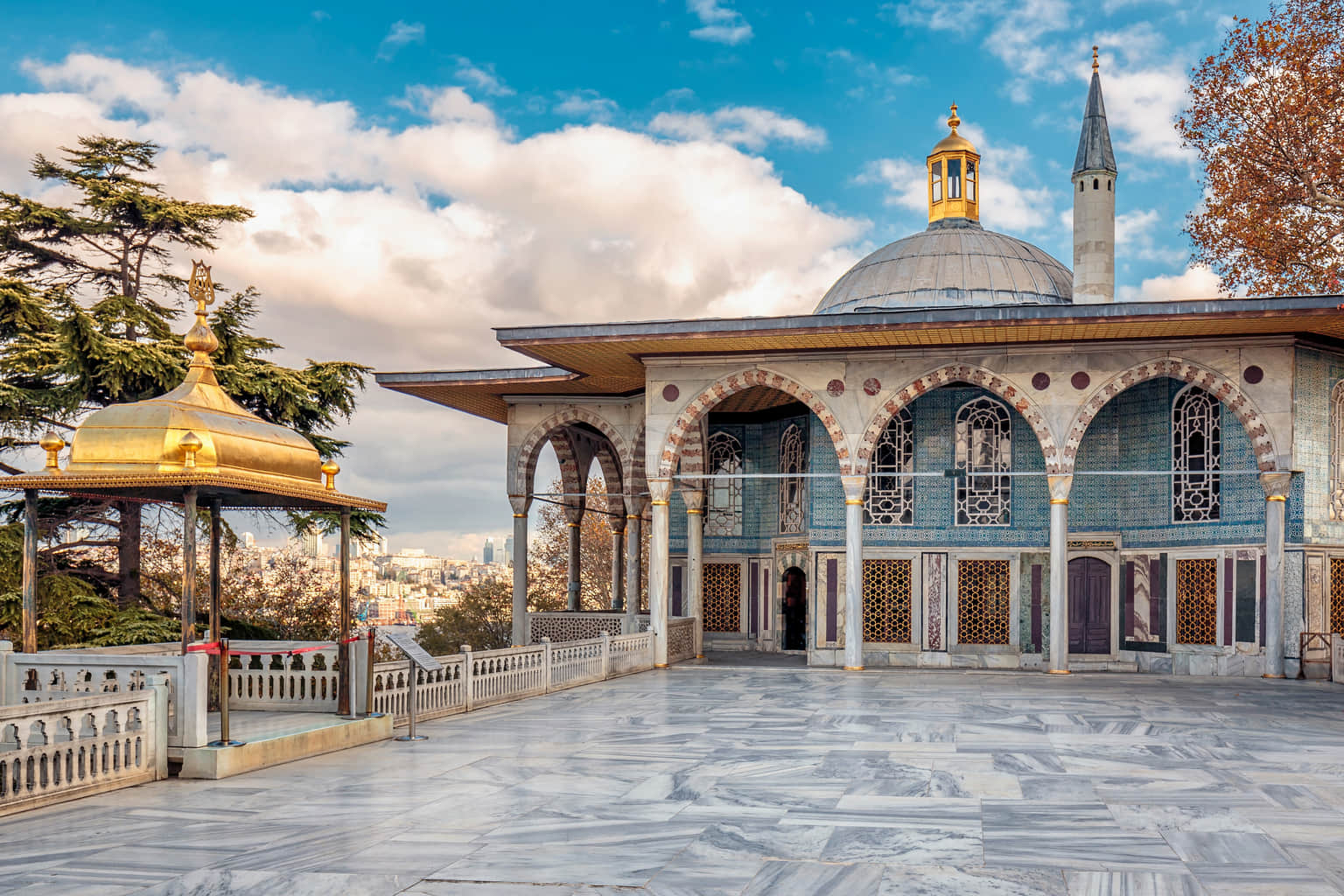
The architecture of Topkapi Palace is a feast for the eyes, featuring exquisite tile work, grand arches, and detailed ceiling paintings. Wander through the courtyards and gaze up at the intricate domes. The blend of Islamic and Byzantine architectural elements highlights the Ottoman period's cultural intersections. Pay special attention to the Imperial Hall and its sumptuous decor, which served as a significant meeting place for the sultans and their advisors. The decorative techniques and materials used, such as Iznik tiles and gold mosaics, showcase the zenith of Ottoman aesthetic achievement.
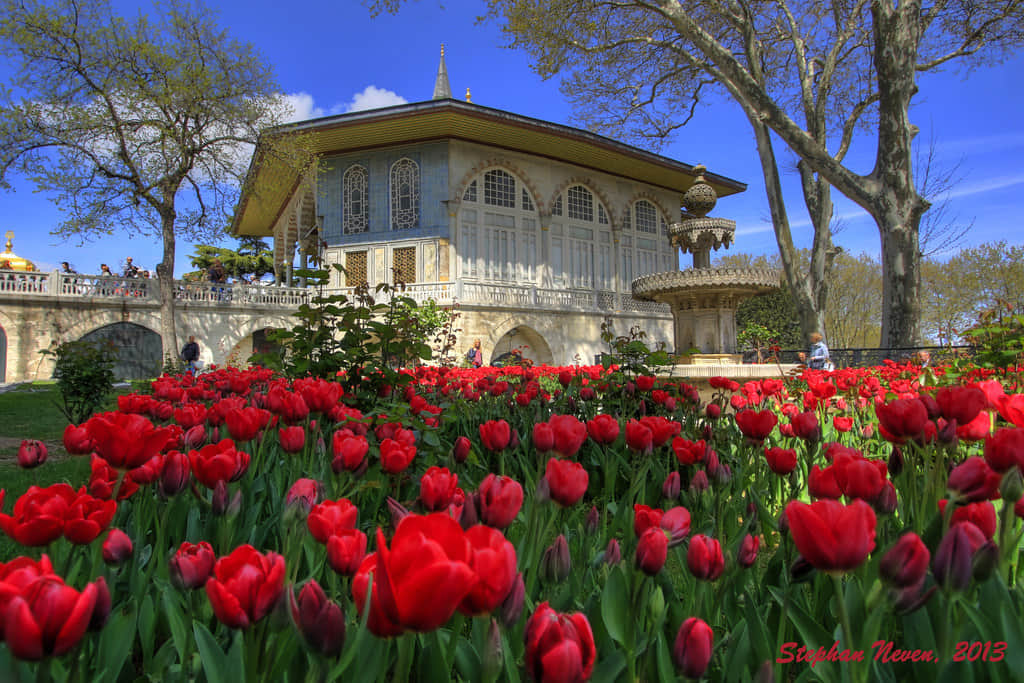
Experience the Serenity of the Fourth Courtyard

Experience the Serenity of the Fourth Courtyard

The Fourth Courtyard offers a peaceful escape with its beautifully landscaped gardens and scenic views of the Bosphorus. It is a perfect spot to reflect on the grandeur you have witnessed in the Palace. The pavilions and kiosks around this courtyard, like the Baghdad and Revan kiosks, are adorned with spectacular tiles. They also offer a quiet nook to take in the Palace's beauty. Additionally, the terraced gardens here are an ideal place to appreciate the panoramic views of the surrounding cityscape, a literal and figurative high point of your visit to Topkapi Palace.

Topkapi Palace FAQs

Popular Related Attractions