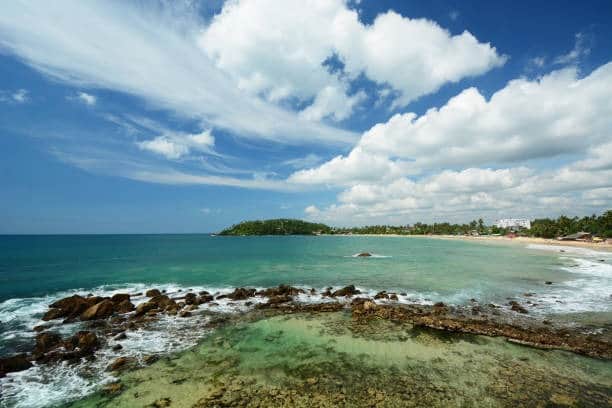
Location – Colombo - Galle Main Rd, Galle, Sri Lanka.
Entry Fee – 500 Sri Lankan Rupees or 2.83 USD
Timings – The Sea Turtle Hatchery at Galle remains functional on all days of the week between 08:00 am in the morning until 06:00 pm in the evening.
Reasons for the Demise of Sea Turtles

According to the World Conservation Union, there are five main underlying reasons for the unexpected demise of the sea turtles –
1. The fisheries present across the globe are the reasons why the sea turtle hatcheries are being adversely affected. The consequence of the presence of such fisheries at the hatching sites of these sea turtles has to lead to their death due to entanglement, destruction of their habitat, and sudden changes in their food web.
2. It is a common scenario where the sea turtles and their eggs are often killed by people. This is usually done in the benefit of mankind for oil, shells, and leather production.
3. The coastal development process often results in the destruction of all the habitats of these sea turtles. These may include the alterations introduced both at the shoreline and at the sea-shore.
4. The presence of plastics, petroleum by-products, debris, and discarded fishing gears often results in their bioaccumulation within the sea turtle species.
5. The several different climatic changes result in alteration of the nesting processes at the nesting sites. This may be related to the modifications introduced in the habitats of the sea turtle or due to the transformations of the basic oceanographic processes.
Types of Sea Turtles
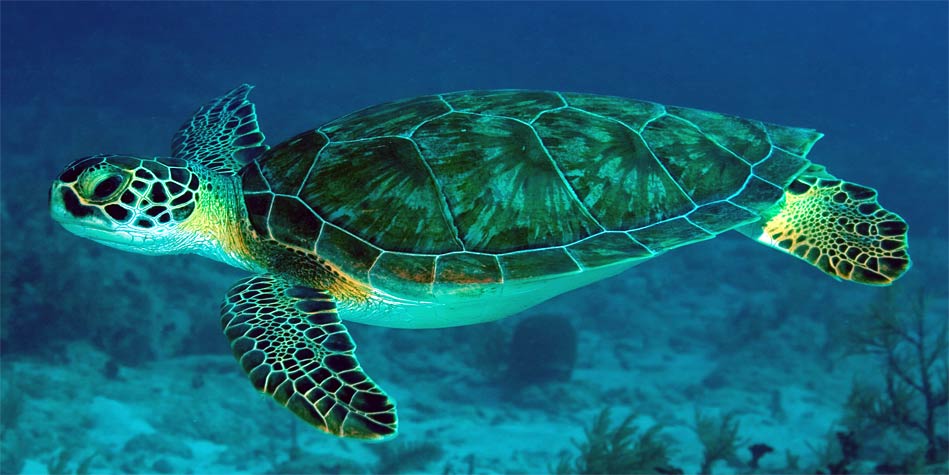
Types of Sea Turtles spotted across all the hatcheries in Sri Lanka are as follows –
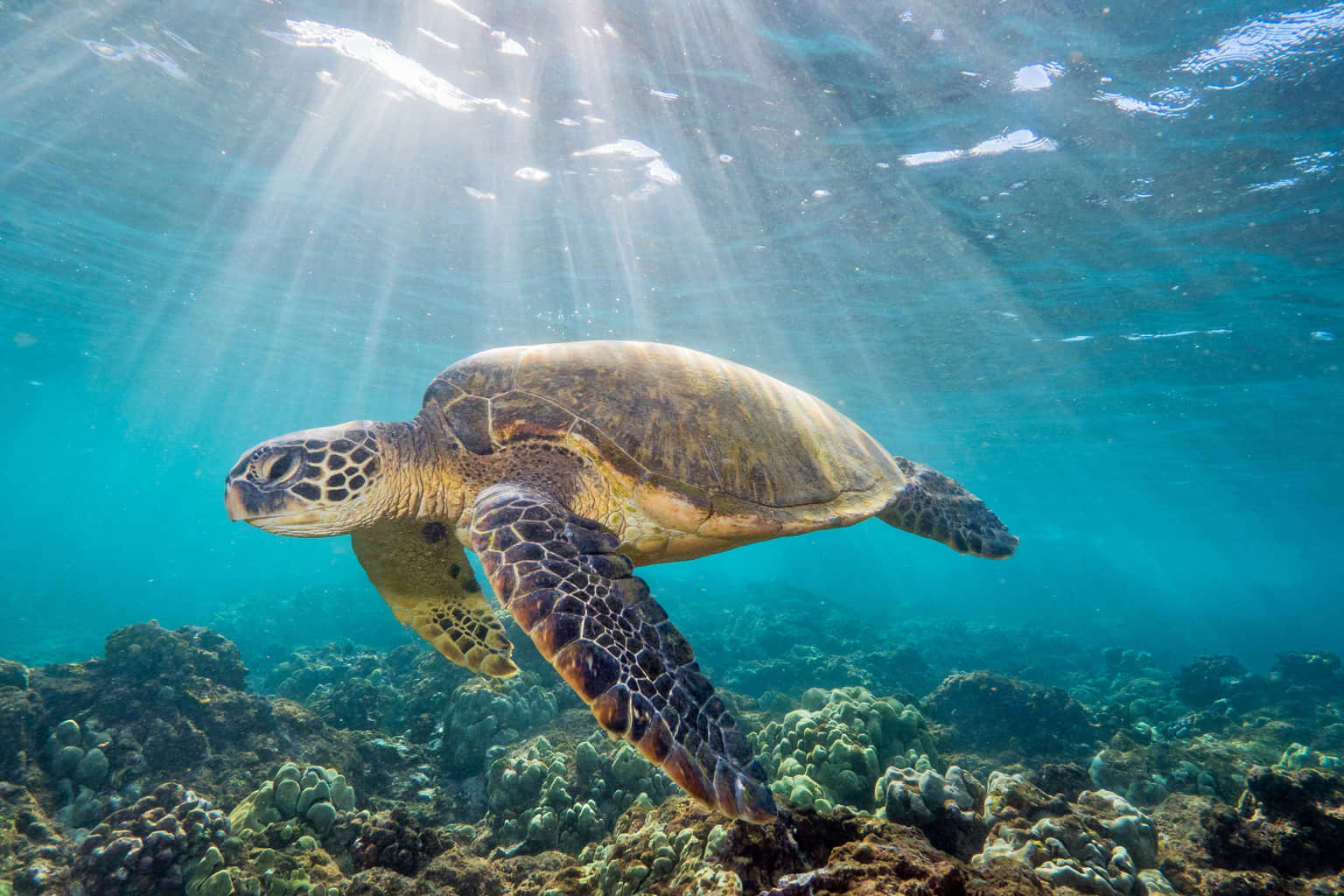
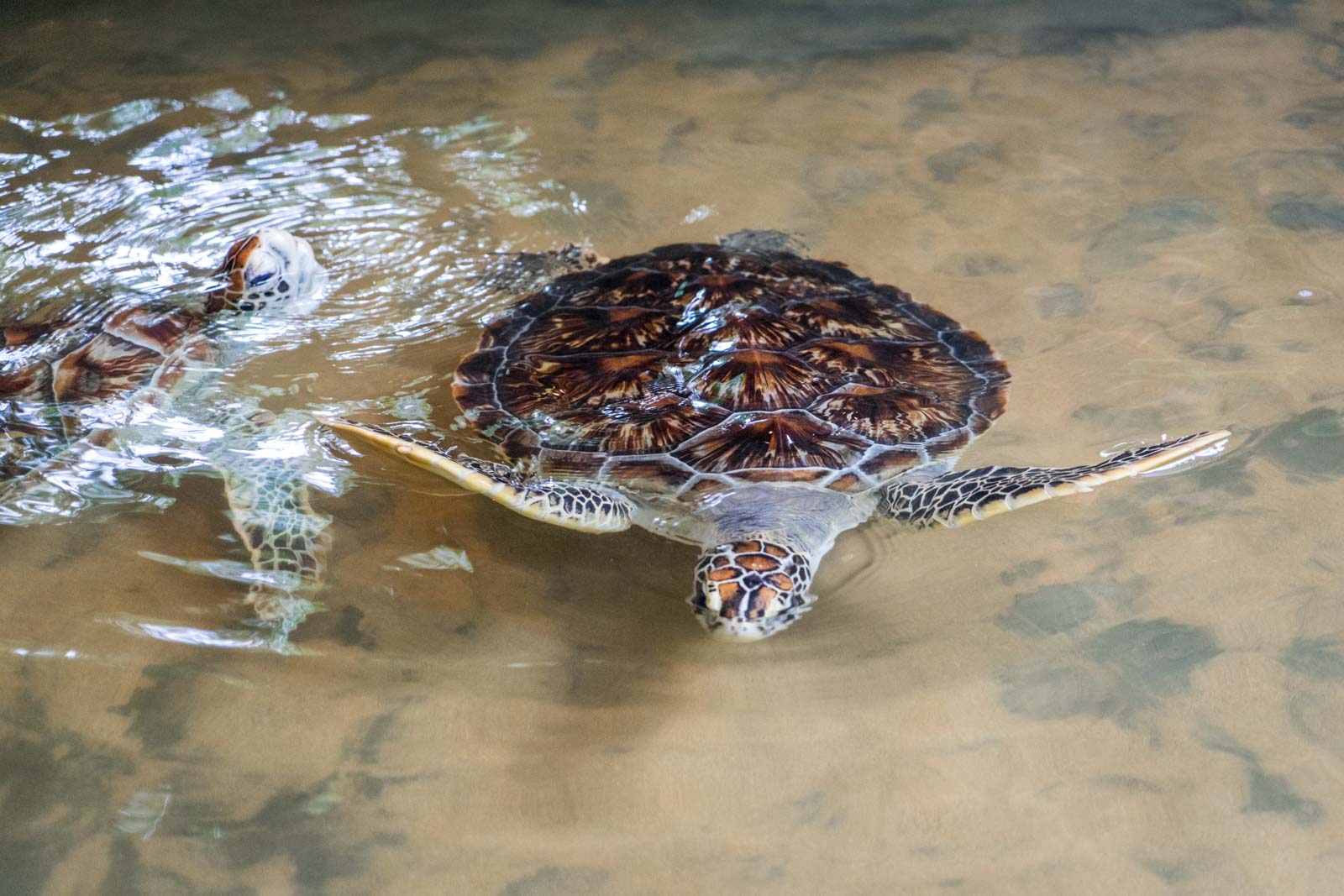
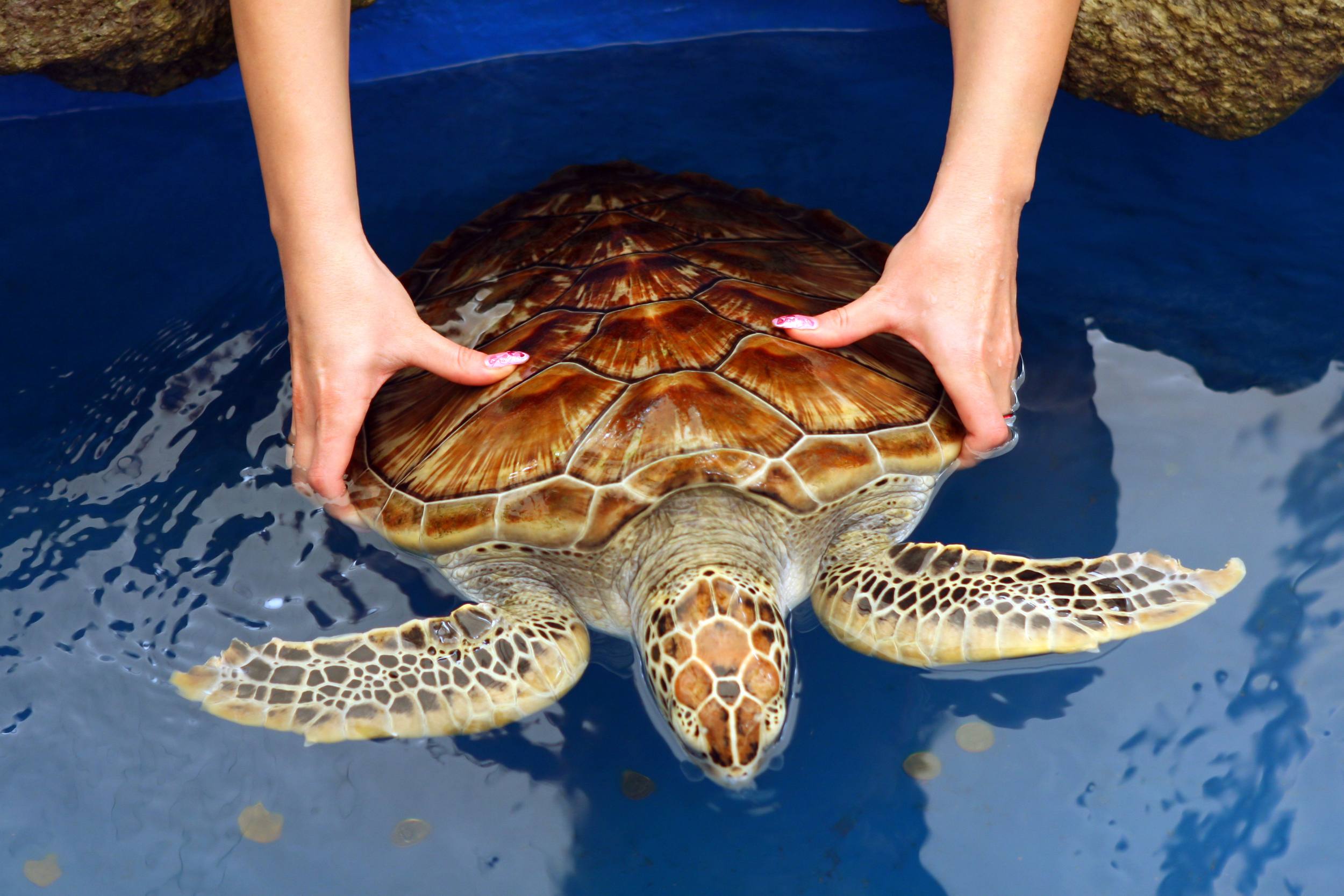
1. Green Turtle – This is one of the most commonly found turtle species in Sri Lanka. They are so named because of the presence of the green fat tissues beneath their upper shell. While the younger ones are mostly carnivorous, the adult ones are herbivorous. Green turtles can grow up to a length of 1 meter and can weigh around 250 kilograms. Adult female green turtles are known to lay off around 120 to 140 eggs at a time. The best time to locate them is night as they usually wander around the shore in the darkness.
2. Loggerhead Turtle – This is a rare turtle species found in Sri Lanka and is usually identified by the length of their heads. The Loggerhead turtles typically appear red and brown in color and possess the ability to grow as long as 1 meter and weigh around 170 to 200 kg. These are primarily carnivorous as they make the best use of their muscular jaws for crushing both crustaceans and mollusks.
3. Hawksbill Turtle – This species of the Turtle of Sri Lanka is accounted to be rarest amongst the others and is often observed to reach the height of 90 cm. Their weights vary significantly between 50 to 70 kg and are identified by their bird-like-beak protruding from their narrow head. They make the best use of their beak for catching the animals hiding deep under the small crevices. These turtles are tagged as regular Sri Lanka visitors. Also, their shells are beautiful, with around 13 symmetrical vibrant pieces.
4. Leatherback Turtles – The Leatherback Turtles are the largest of all the critically endangered turtle species across the globe. They are accounted as one of the rarest finds in and around the soils of Sri Lanka. The identification of these leatherback turtles is made from their front flippers and its intricately carved shell reflecting black and white stripes.
It has got a thin, rubbery and tough carapace which imparts its characteristic leathery touch to these turtles. Besides, these turtles are known to possess a blood circulatory system, which reflects that of a cold-blooded reptile. This helps the marine animal to keep their body warm with the aid of the metabolic heat of their muscle activity. These animals can reach up to 3 meters in length and weigh around 750 kg.
Tips for Visiting Sea Turtle Hatchery
Here are some useful tips to reap out the maximum benefits out of your visit to the Sea Turtle Hatchery in Sri Lanka –
1. To know more about the sea turtles, participate in their turtle conservation tour. The Sea Turtle Hatchery of Sri Lanka avails an educational tour wherein all the visitors are accompanied by a professional guide to explore more about the Sea Turtles' evolution and their hatching and conservation processes.
2. As a responsible visitor, make sure that you do not put the flashlights of your DSLR’s or cell phones on an ON mode as female sea turtles prefer to hatch in dark and silent zones.
3. Do not try to feed anything to any of this wildlife as it may make them susceptible to unexpected infections and diseases.
4. While visiting the hatchery, make sure that you do not litter your plastic bags in and around. This is the worst thing, as the sea turtles may confuse themselves with the fact that your carry bags are actually their source of food.
5. Maintain a reasonable distance from the nesting spots of these sea turtles.
6. Ensure that your visit to the Sea Turtle Hatchery does not leave any form of a carbon footprint (in the form of food waste or wrappers) behind; otherwise, any kind of climatic changes may transform their food sources, which might result in the ill-effects of its bioaccumulation.