Classical World: The Classical World collection of the Petit Palais features a wide range of masterpieces by renowned artists using a wide range of techniques from the Greek and Roman worlds. The selection in this remarkable room includes artifacts from the Hellenistic era as well as bronzes from the end of the Archaic era (about 520 B.C. ), vases and terracottas discovered in Italian Etruscan necropolises from the late 6th to early 5th century B.C. Sculptures "The Bacchus of the Via del Babuino" and "The Ephebe" from the Fins d'Annecy are both from the Augustus period. Major works from the first century B.C. through the fourth century A.D. are from Rome. While works made of glass and gold show how interests changed between the first and fourth centuries.
Icons: The icons were gifted to Le Petit Palais by Roger Cabal, who started collecting them from a young age. Despite the general disregard for this style of work at that time, he was able to gather an outstanding collection. Since he gifted the majority of his collection to the Petit Palais, it now holds France's largest collection of such artwork. The collection consists of 76 icons dating from the 8th to the 19th century, but only a few pieces are on display, including "In You rejoices," "Ivory book cover plaque: the Virgin and Child enthroned," "Christ of Pity," and many others.
Middle Ages: The artifacts, paintings, and sculptures depicting religious themes on display in Petit Palais Expo are from the key historical centers of the Middle Ages and the early Renaissance, including the Netherlands, Germany, France, and Italy. Some of the famous artworks of this period are French ivory work from the 14th and 16th centuries, Mosan and Limoges champlevé enamel works from the 13th and 14th century, medieval manuscripts, some first printed books, wooden sculptures from Southern Germany and Austria, and holy figures from the late Middle Ages.
Renaissance: The Renaissance art collection of the Petit Palais Paris spans the 15th century and the beginning of the 17th century and consists of furniture, paintings, artifacts, books, and priceless bindings. It comprises two divisions; France & Northern Europe and Italy & the Islamic world. Hispano-Moorish ceramics, Venetian glass, Italian majolica, Iznik ceramics, French glazed earthenware, Saint-Porchaire pottery, Limoges painted enamels, tin-glazed pottery, and Italian bronze pieces make up the majority of the collection. Additionally, it contains clocks, watches, and jewelry that showcase the fine arts and accurate timekeeping practices of Renaissance Europe.
17th Century: Nearly all paintings from the 17th century on display in the Petit Palais museum spaces were donated to the City of Paris by Auguste Dutuit and were created by him and his brother. Due to these gifts, the Petit Palais possesses one of the leading collections of Dutch paintings in France, second only to the Louvre. However, the collection also includes pieces by other well-known artists. This collection's standout pieces include Diana Resting, Composite Landscape, and Cavalry Clash. Along with these paintings, additional items showcasing 17th-century Dutch art are antiques, works of medieval and Renaissance art, books, sketches, and prints.
18th Century: The 18th-century artwork collection is displayed in the Petit Palais Expo's four rooms and landing. It includes enameled objects, furniture, china, silverware, watches, tapestries, paintings, and other items. The majority of the works are from the French School and span the whole century. They contain landscapes (by Hubert Robert), portraits (by Fragonard), historical paintings (by David), and other genres. Artifacts from the closing years of Louis XIV and XV's rule are on show alongside furnishings from the Louis XVI era. The majority of the artwork is made up of French silverware, German figurines, English enamels, and watches from Paris, London, and Geneva.
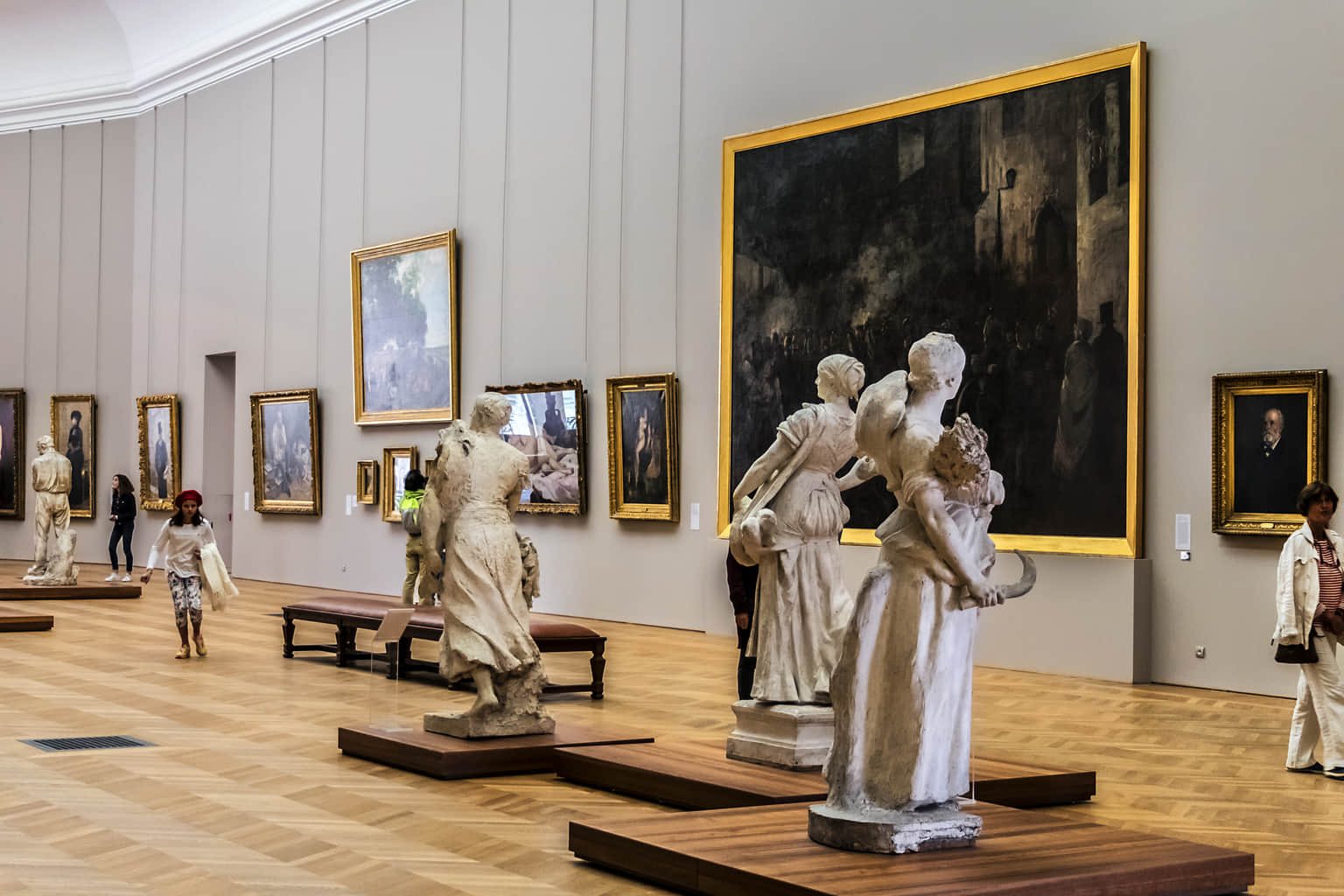
19th century: Paintings, sculptures, and art objects recall key moments in French art history, from the Renaissance through the Third Republic. While the Troubadour style depicts kings, painters, and knights' lives. Romanticism comprises paintings of travelers. This Le Petit Palais collection also includes Christian art, the art of portraiture, terracottas, plasters, sketches, and models.
Paris 1900: The Petit Palais's Paris 1900 collection comprises paintings and sculptures that show portraits and images of famous Parisians and century-defining icons. It also has other works of art that captured the aesthetic of that time between tradition and modernity. Pénélope (Antoine Bourdelle), Pomona (Aristide Maillol), and Portrait of Carriès (Émile GrittelIn) are among the prominent sculptures in this collection. Some of the iconic paintings are 1918 or The Last Bulletin (Georges Paul Leroux), Ball on July 14th (Théophile Alexandre Steinlen), and Arion (Georges Paul Leroux) (Gustave Moreau).
Also Checkout: Popular Beaches Near Paris




.jpg?w=1536&q=65&format=auto)