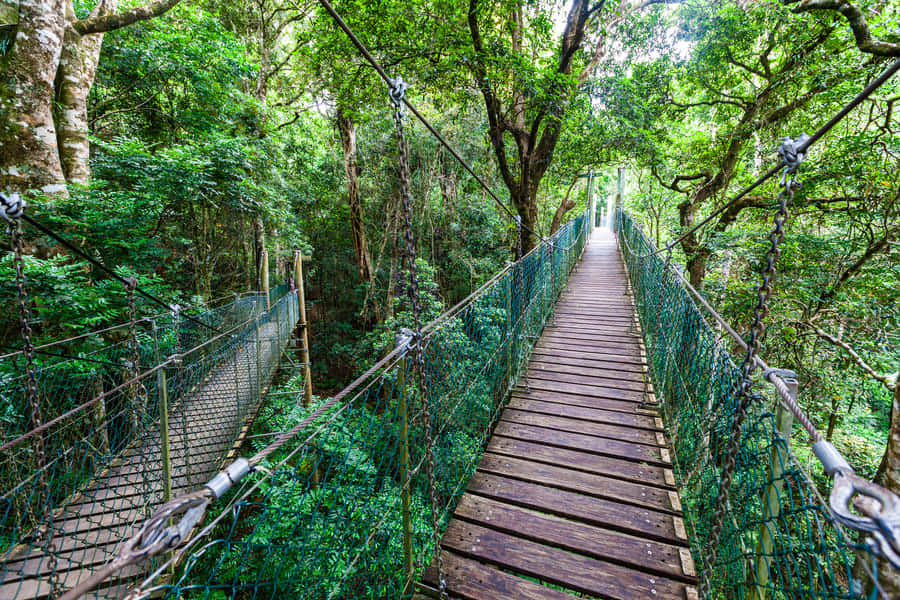
Lamington National Park, Gold Coast
About Lamington National Park
Day Wise Timings
Lamington National Park opening hours through the week.
Lamington National Park Highlights
How To Reach Lamington National Park

Best Time To Visit Lamington National Park

Lamington National Park Essential Information



Why Choose Thrillophilia?
3 Million+
Happy customers from 70+ countries all around.
4.8/5
Rated across Trip Advisor and Google reviews.
Curated With Love
Special curated Indian itineraries built for Indians.
24/7 Assistance
Always there to help before and during trips.

Point of Interest for Lamington National Park
The Walking Trails of Lamington National Park

If you love hiking then the Lamington National Park has an impressive lot of pathways ranging from Class I to Class 5 levels depending on your taste for adventure. These pathways cover more than 120 kms in all and run the length and breadth of the Park. If you wish to hike on a well paved path then try the Centenary Track which starts from the Green Mountains parking and goes past Python Rock and the Moran Falls Tracks. For some excellent photo ops visit the canopy at O'Reilly Treetop Walk or take in the views from the trailhead on Lamington National Park Road to Morans Falls. The Border Track connecting Binna Burra and Green Mountains is the best choice for seasoned hikers.
Click Here to Book Now: Wild Life Sydney Zoo Tickets
Explore Wildlife at Lamington National Park

The park is home to some of the most diverse variety of flora you can find. Here, there are Antarctic beech trees whose roots are over 5000 years old. The park protects a forest of hoop pines which are the last of the remaining specimens of this species here. These trees usually grow in higher altitudes. It also has quite a few varieties of flora that is not found anywhere else such as the Everlasting Daisies, Mt Merino eyebright and several subalpine remnants that are believed to be from the last ice age. Another unique piece of flora at the Park is the Lamington Underground Orchid which has no chlorophyll and it is one of the four species of flowering plants that completes its life cycle under the ground.
The park and its surrounding areas also protects a wide variety of wildlife which includes rare as well as endangered animals. Some of these include the Eastern bristlebird, Albert's lyrebird, the blue Lamington crayfish, Coxen's fig parrot, large-eared pied bat and many more. The rock pools in the forest are home to platypus and near the edge of the forests there are red-necked pademelons. Other rare varieties include the elf skinks, Fleay's barred frogs, cascade tree frogs, giant barred frogs and the Rainforest cool skink.
Also Checkout: Sydney Opera House Tour
Waterfalls in the Lamington National Park

The park has more than 100 waterfalls and the most famous ones here include the Elabana Falls and Box Log Falls which can be found in the Green Mountain Section. Other popular Falls are Morans Falls which can be found along the Morans Falls Track. Then there is the Upper and Lower Ballanjui Falls, Nugurun Falls, Stairway Falls and Nagarigoon Falls. A local explorer who has documented the number of waterfalls in the park has confirmed in April 2022 that there are 500 waterfalls in the Park.
Also Read: Things To Do In Sydney This Weekend
Outdoor Camping at The Park

You can even spend the night in the Lamington National Park and set up camp in the large camp ground near the Green Mountains Section. Besides this there are also privately managed campsites as well as other accommodation facilities for those who want to stay longer at the Park. There are around 11 camping areas inside the national park, offering lush green views of different trails.
Also Read: Places To Visit In Sydney
Picnic at the Park

There are two picnic areas, one in the Green Mountains section and one in Binna Burra, both offer a serene backdrop setup for a peaceful and fun family picnic. The setup includes well manicured picnic tables along with barbecue facilities. All you have to do is bring your own fuel and stove to enjoy a delicious meal with your loved ones. You can find toilets here so it's easy to travel with kids as well, make sure you bring disposable bags with you to take back all the garbage outside the park after your picnic ends.
Also Read: Things To Do In Sydney
Lamington National Park FAQs
Popular Related Attractions



.jpeg?w=1536&q=65&format=auto)
.jpg?w=1536&q=65&format=auto)
.jpg?w=1536&q=65&format=auto)


More Things to Do in Gold Coast
Quick links to everything else worth a slot on a longer stay.