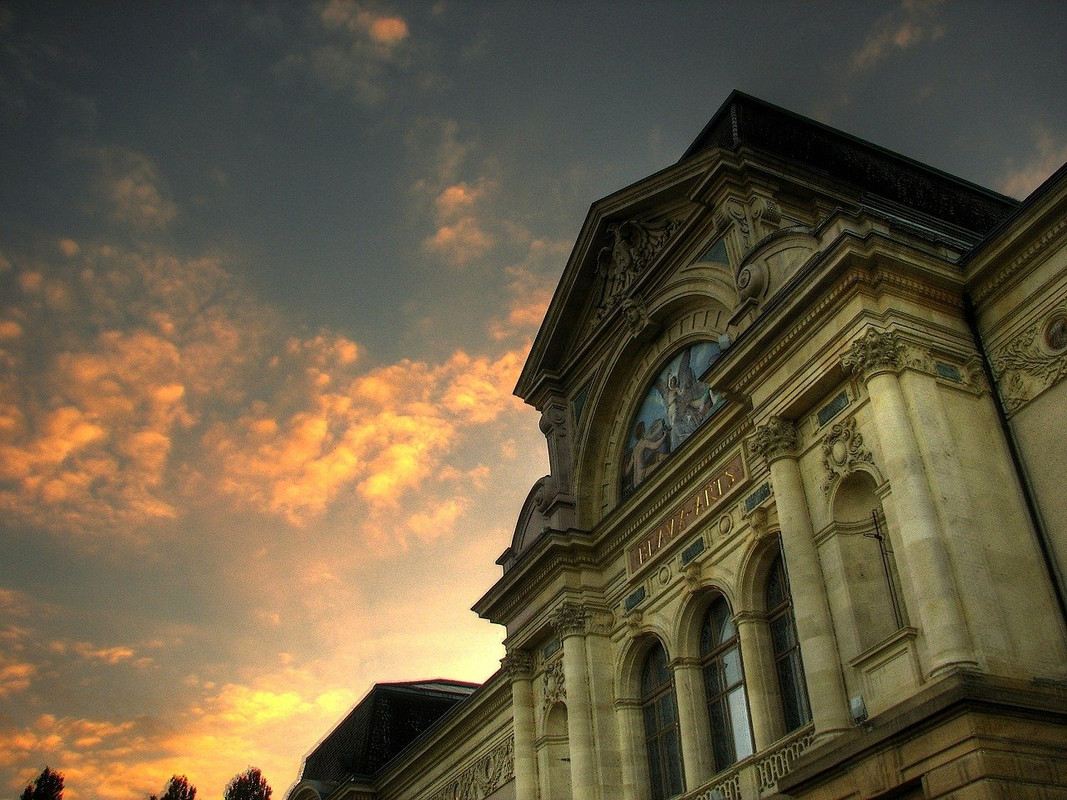
It was in 1671 the museum originated when the city of Basel purchased the private collection of drawings, paintings, natural history specimens and ethnographic artifacts of lawyer Basilius Amerbach. Today this collection is named Amerbach Cabinet.
Subsequently, these collections were expanded by acquisitions, gifts to constitute the Öffentliche Kunstsammlung. The present collection of Kunstmuseum Basel is based on this collection. In the initial days, the museum was housed in 16th century Haus Zur Mücke, which was later transferred to a museum designed by architects Rudolf Christ and Paul Bonatz in 1936.
An additional building was constructed in 2016, designed by Swiss architects Christ & Gantenbein. They acquired the project competing against some of the international top architects like Peter Zumthor, Zana Hadid, Jean Nouvel, etc. The newest building cost $112 million and took three years to be completed. The final design is an angled building, keeping the same height as the original one.
While the original building now displays the art of the 15th Century to 1950, the new building has all the artworks after 1950. While a part of the ground floor and middle floor displays the permanent collections and the upper floor is reserved for all temporary exhibitions. The extension building and the original building is connected by an underground wing.
The Architecture of Kunstmuseum Basel.
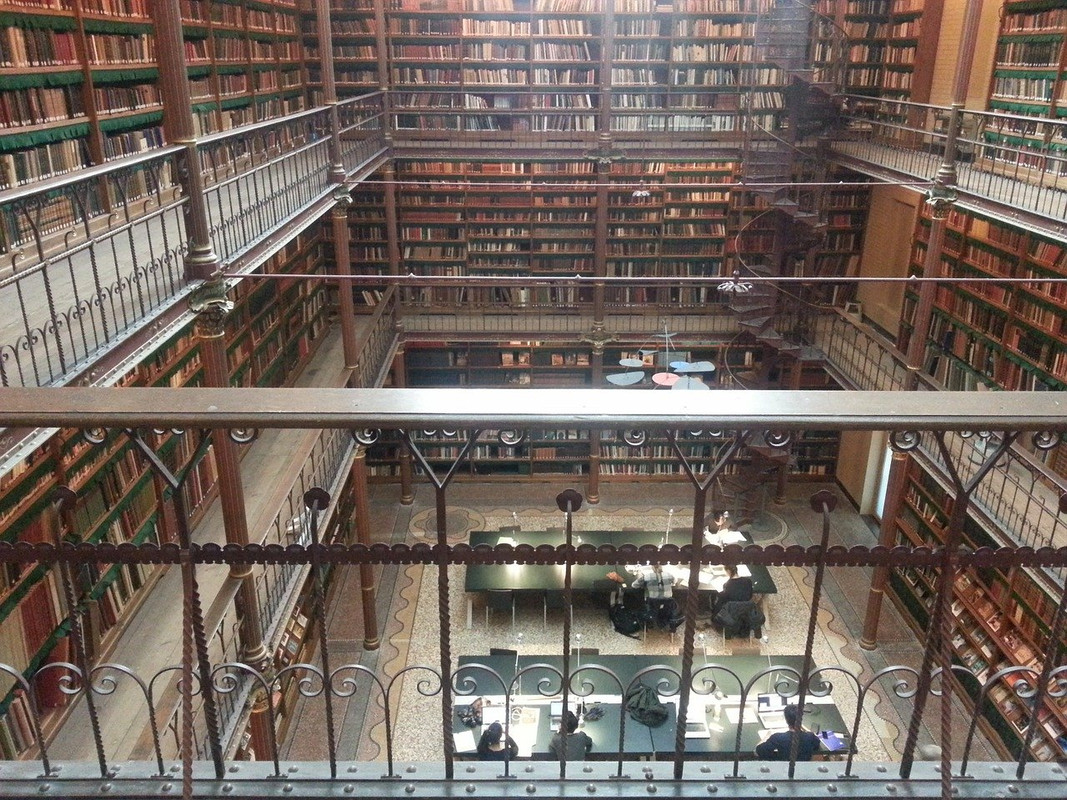
The original building of Kunstmuseum Basel reflects heavily on the Romanesque revival building design. The new building of the museum stands boldly in a folding mass of bricks. The idea of art preservation reflects heavily in the building as it expresses new beginnings and continuity.
The architectural design is both archaic and modern yet contemporary. The building is at the intersection of five streets, which makes the design of building emphasise by the street facade. The grey bricks used in the designing of the building gives the whole museum a monolithic, monochromatic look, which fits right into the theme.
The bricks are enhanced by subtle colour variation. The complete architectural idea that went into the design is to make it look timeless. There is a central staircase on each floor of the new building, that connects two exhibition tracts. The genius of Christ & Gantenbein illuminates the foyer zones with round skylight, giving it an illusion of something free in space.
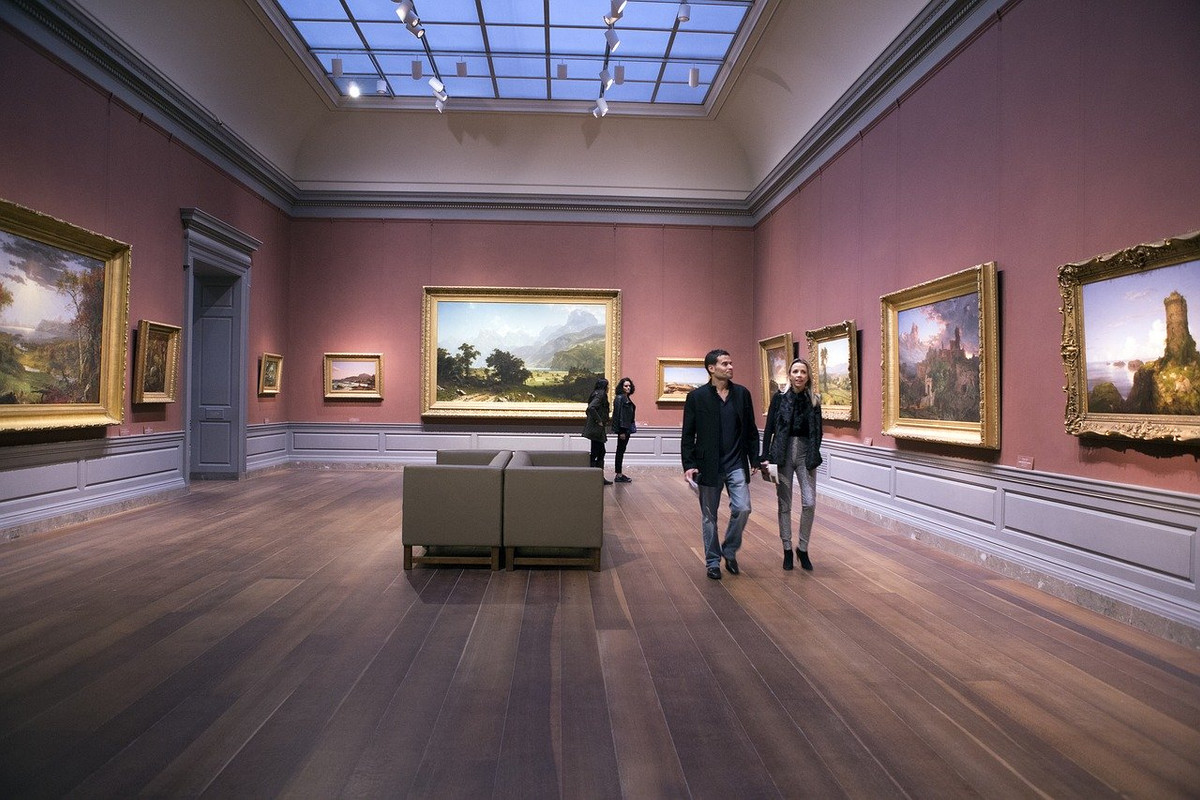
The rooms in the new building are rightly proportioned, giving enough room for a huge number of visitors to move about. While the floors in the gallery are striped with expensive oak, which gives a sophisticated look with the adjacent grey concrete walls. The floor in the foyer, however, is marbled complimenting galvanized steel walls that look aesthetically pleasing and makes the art hung on the wall prominent.
About the Artworks of Kunstmuseum Basel
An enormous collection of art pieces that have been collected by the authority spanning over years, Kunstmuseum Basel displays around 4,00 paintings, 300,000 drawings. The jaw-droppingly impressive collection encompasses masterpieces from the Holbein family, the art of the Renaissance period by Konrad Witz, Mathias Grünewald, Martin Schongauer, and the likes.
The pieces from 15-18th Century showcases works like:
- Portrait of Bonifacius Amerbach, 1519, the Dead Christ in the Tomb, 1521-1522 and Erasmus of Rotterdam Writing 1523 by Hans Holbein the Younger.
- Saint Christopher, ca. 1435-1445, Meeting of Joachim and Anne at the Golden Gate, ca. 1437-40 by Konrad Witz.
- Glutherd mit Artischocke, Grünspechte und Wasserzuber mit Karpfen by Sebastian Stoskopff
The pieces from 19th Century/ Classical Modernism includes artworks like:
- Seated Harlequin, 1923 by Pablo Picasso
- Self Portrait with a Japanese Print, 1887 by Vincent Van Gogh
- Island of the Dead, 1880 by Arnold Böcklin
- The Rock Needle and the Porte d’Aval 1884, by Claude Monet
The Contemporary art collection from 1960 and later includes but not limited to:
- Ifafa II, 1962 by Frank Stella
- Frankfurt, 2007 by Andreas Gursky
- Motorboat, 1965 by Gerhard Richter
- Out of The Window Number 2, 1962 by Jasper Jones
- Ten-foot flowers, 1967-68 by andy Warhol
Apart from all of these paintings and drawings, there are also numerous sculptures that hold the history and mystery of different eras.
Bistro and Shop at Kunstmuseum Basel
Kunstmuseum Basel being the center of attraction of art enthusiasts and other tourists alike, the area is surrounded by various bistros, shops, and restaurants. Not only the restaurants that are around the area but the museum itself also offers Bistros services to its visitors.
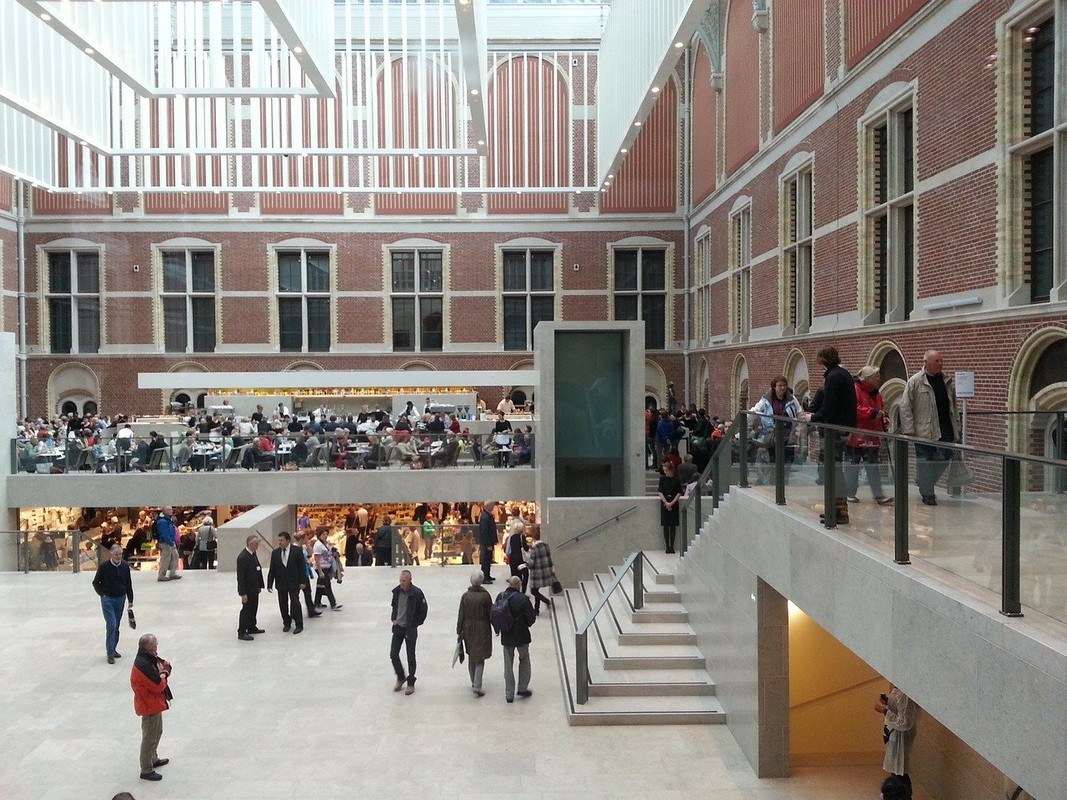
The bistro at the museum can host up to 180 people at a time. In tandem with the elegant museum, Kunstmuseum Basel's bistro is just as modern, offering breakfast, lunch, or a coffee with some of the finest desserts. The bistro also allows you to organise private events, in the open outdoor dining area with an immaculate view in nice weather.
The bistro team offers a menu full of snacks and full meals catering to a wide range of tastes. The team often caters to special requests for a party or reception. The shop at Kunstmuseum Basel is a heaven for all the art lovers who are looking to buy artistic gifts for their friends and families, or even to themselves.
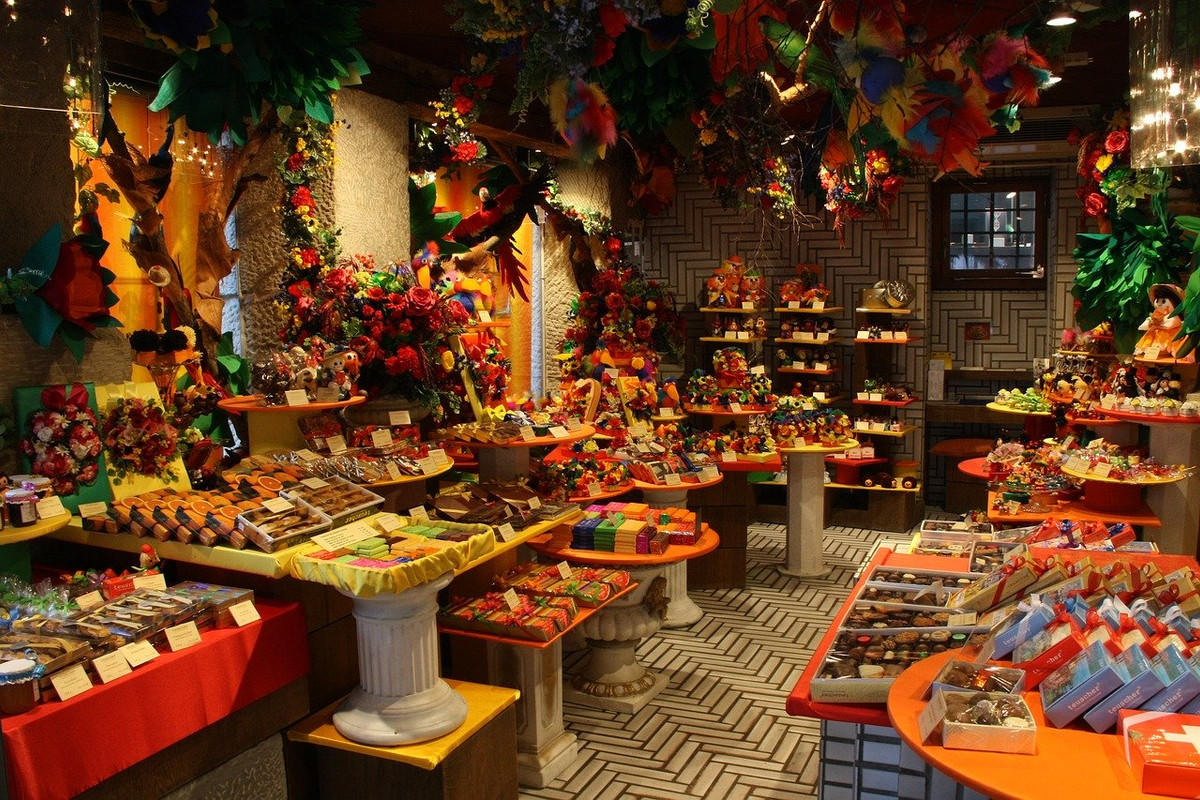
With an extensive collection of books on art and architecture, DVDs, limited edition art prints, postcards, notebooks and much more. It is located across from the stairs of the passageway leading to the Neubau. The shop is open during the museum hours, for all the art lovers to collect their memoirs.
Do's and Don'ts for visitors at Kunstmuseum Basel
Being the largest art museum in Switzerland, it is reasonable that the authorities have set a certain set of rules and regulations to keep the museum protected and enjoyable for everyone. here is a list of do's and don'ts that one should follow while in Kunstmuseum Basel:
Do’s:
- If you are below the age of 12 years, make sure you are being accompanied by an adult while you visit the museum.
- Stand at a distance of at least 50 cm from the artworks.
- You can either choose to wear your jackets and coats inside the museum or you can leave it in the cloakroom.
- You can take photographs without using the flash until it says otherwise.
Don’ts:
- Food, drinks, and smoking are not allowed.





.jpg?w=1536&q=65&format=auto)