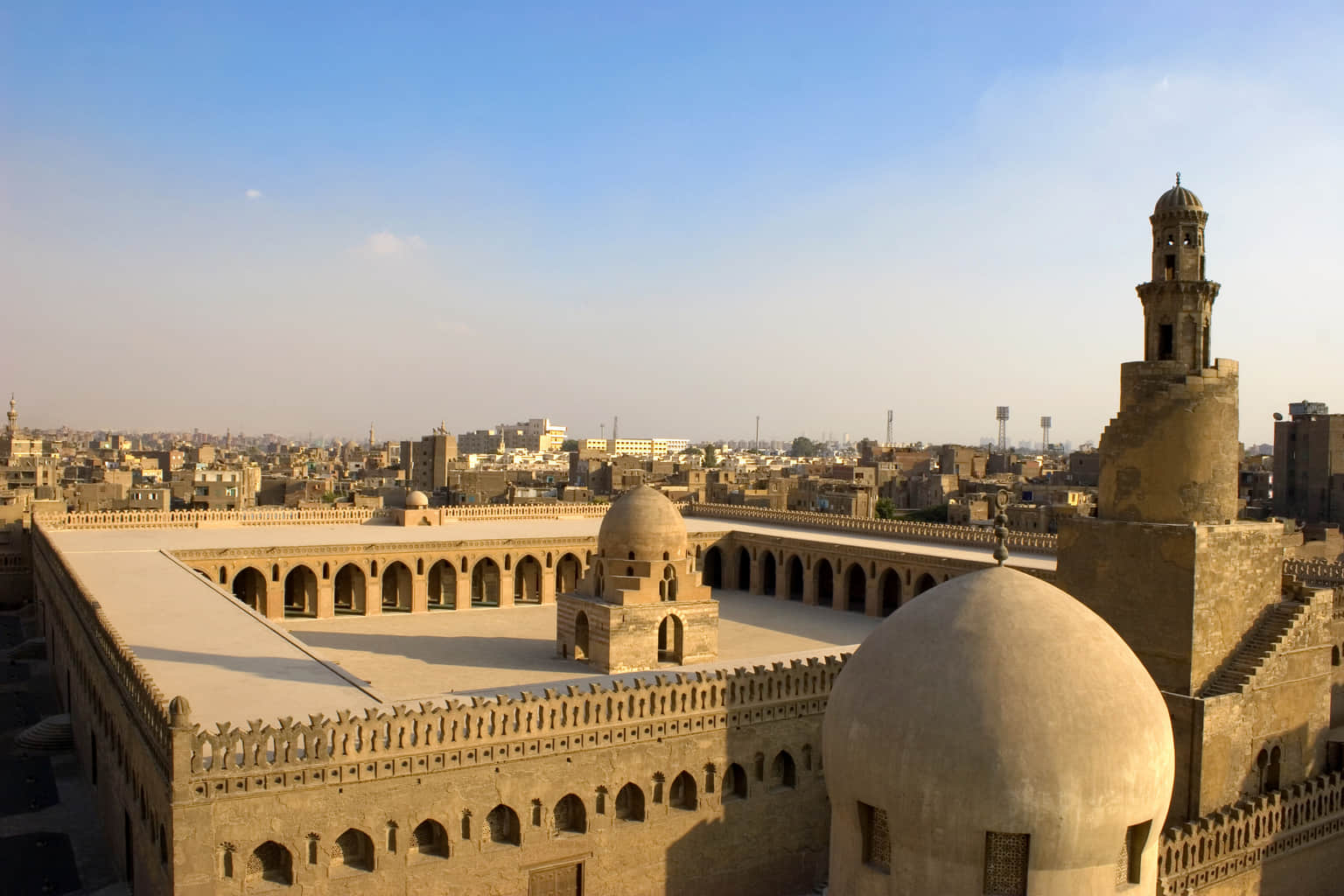
Ibn Tulun Mosque, Cairo
About Ibn Tulun Mosque
Ibn Tulun Mosque Highlights

Why Choose Thrillophilia?
3 Million+
Happy customers from 70+ countries all around.
4.8/5
Rated across Trip Advisor and Google reviews.
Curated With Love
Special curated Indian itineraries built for Indians.
24/7 Assistance
Always there to help before and during trips.

Point of Interest for Ibn Tulun Mosque
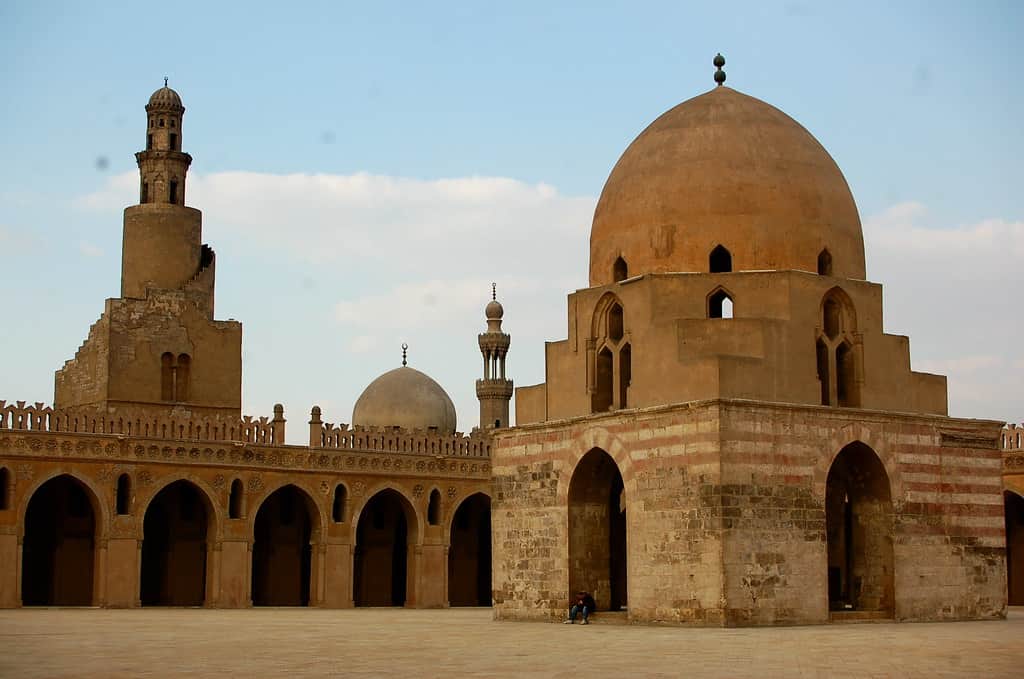
Climb the Spiral Minaret
Begin your journey at Ibn Tulun Mosque at the iconic spiral minaret. This minaret resembles the ancient Minaret of Samarra in Iraq. It also displays the Abbasid caliphate's architectural influence. You will find the staircase a bit tricky, however, the view at the top is worth every step. As you climb to the top, you can feel the ancient red bricks that are prominent in this architectural marvel. Once at the top, Cairo stretches out like a vast tapestry below, offering unmatched panoramic views. This is a moment where the city's hustle fades, leaving you in serene contemplation of its beauty.
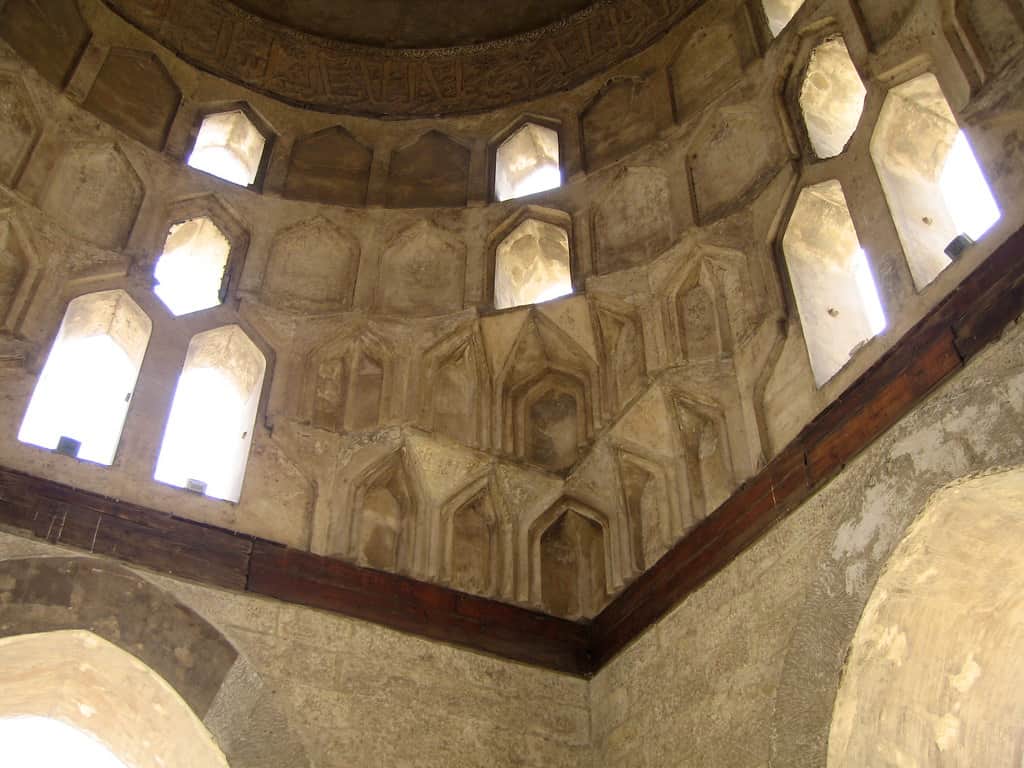
Admire the Arched Windows and Stucco Work
Ibn Tulun Mosque is a masterclass in Abbasid architecture, and its arched windows and intricate stucco work are a fine example of this. As you wander the halls, you can notice how each window and arch tells a story of design and devotion. The upper part of the mosque has 128 pierced stucco windows decorated with geometric patterns and floral designs. These marble carvings display the Abbasid caliphate's love for art. They are also inspired by the details of the Umayyad Great Mosque in Damascus. These windows are the perfect features to pause and appreciate the artistry that the mosque is known for.
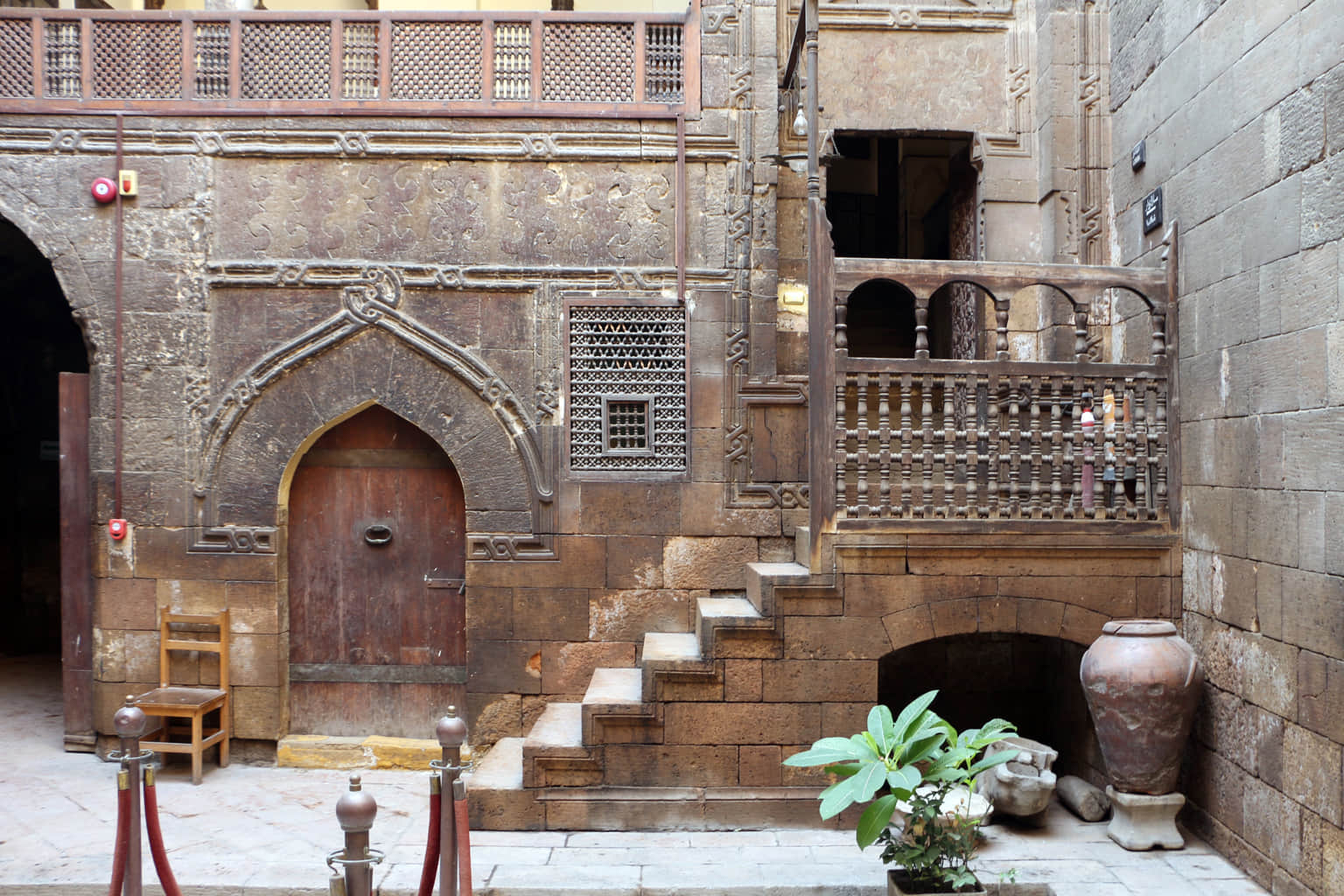
Visit the Gayer-Anderson Museum
Right outside the mosque, the Gayer-Anderson Museum offers a glimpse into the past. This preserved home, connected to the mosque through a historic gate, is filled with artefacts that tell the story of life in historical Cairo. The rooms, decorated with period furniture and art, transport you back in time. Here, you can find samples of Cairo’s architecture from the 17th century, in addition to carpets and artefacts from around the world. The museum uses the outer walls of the Ibn Tulun Mosque for support. It is a beautiful complement to your mosque visit, showing the lived experience beyond its walls.
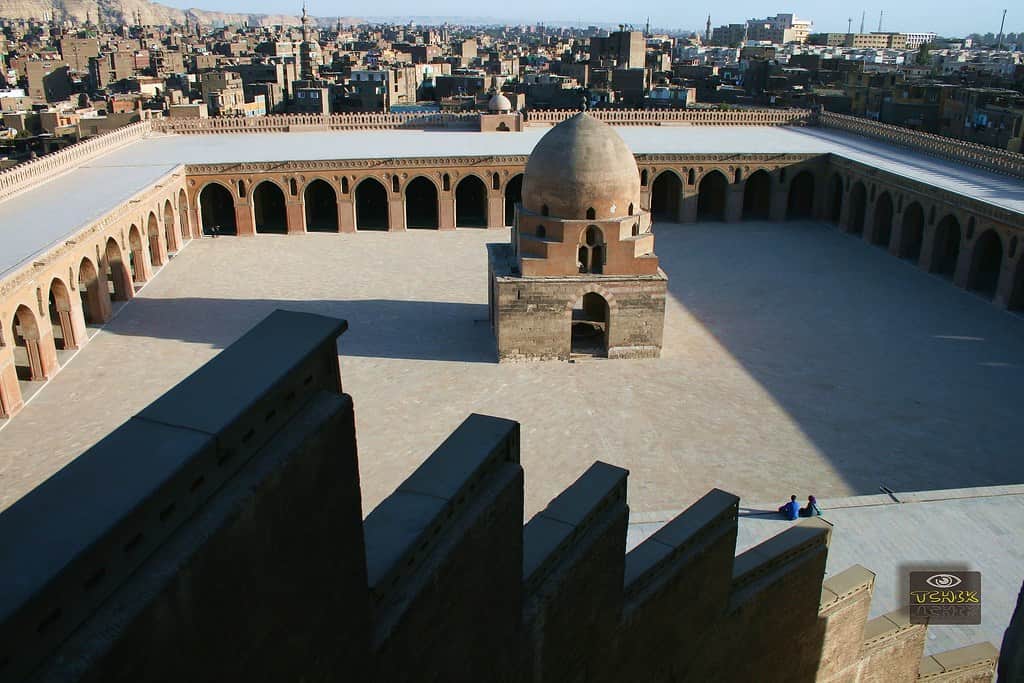
Explore the Vast Courtyard
Step into the expansive courtyard, where the mosque's grand scale truly hits you. The sense of peace here is palpable, a quiet oasis in the heart of Cairo. As you walk around the courtyard, you will come across the ancient fauwara, or fountain, at the centre. This fountain is inspired by the traditional Abbasid designs. You can even see worshippers bustling around the fountain as they come here to pray. The architectural symmetry and the play of light and shadow through the day make this a place of tranquil beauty and reflection.
Popular Related Attractions
.jpg?w=1536&q=65&format=auto)



More Things to Do in Cairo
Quick links to everything else worth a slot on a longer stay.