
Hemis National Park, Leh
About Hemis National Park
Day Wise Timings
Hemis National Park opening hours through the week.
Hemis National Park Highlights
How To Reach Hemis National Park

Best Time To Visit Hemis National Park
Hemis National Park Essential Information


Why Choose Thrillophilia?
3 Million+
Happy customers from 70+ countries all around.
4.8/5
Rated across Trip Advisor and Google reviews.
Curated With Love
Special curated Indian itineraries built for Indians.
24/7 Assistance
Always there to help before and during trips.

Point of Interest for Hemis National Park
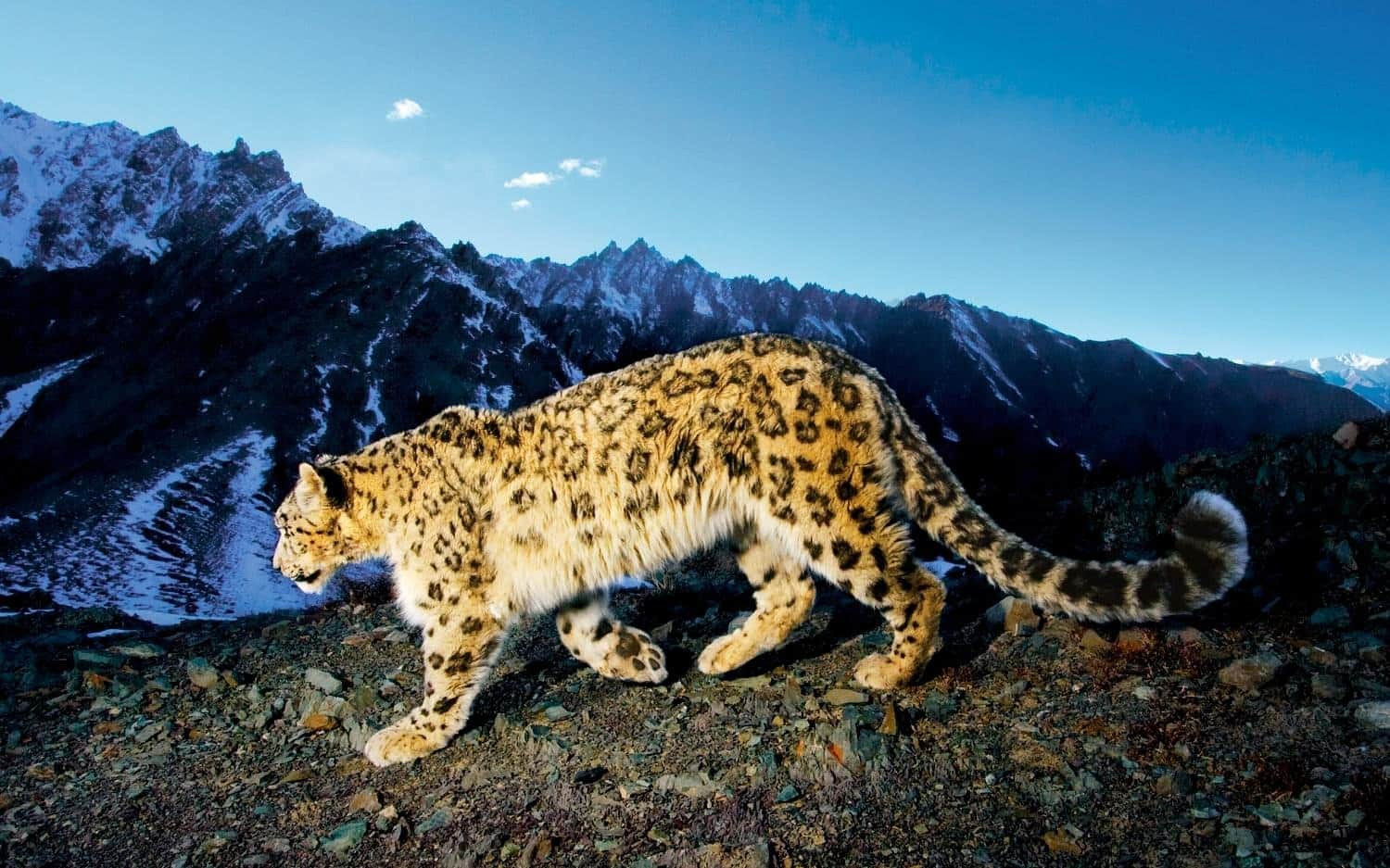
See the Wildlife
Visit Hemis National Park, famous for its many different animals. It is especially known for having about 200 snow leopards, which are rare and beautiful. If you go up to the high parts of the park, you might see Asiatic ibex and Shapu, which is also called the Ladakhi Urial.
You can also find smaller animals like Himalayan marmots, mountain weasels, Bharal (they're also called blue sheep), and Himalayan mouse hares. You might spot some other animals too, like Tibetan wolves, red foxes, and even endangered Eurasian brown bears.
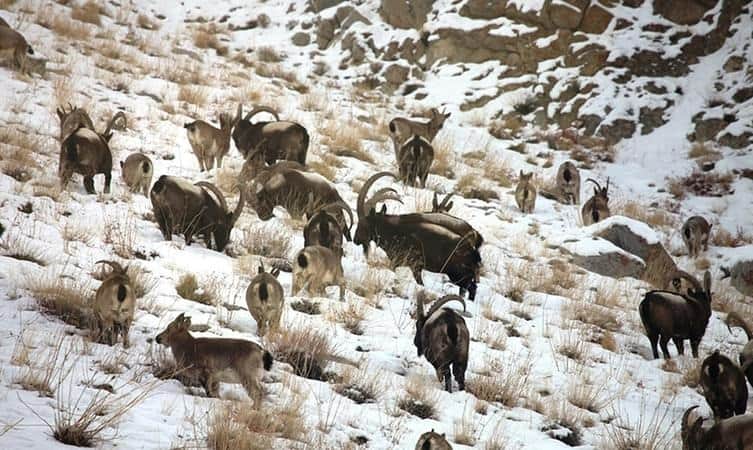
Delight in the breathtaking flora
Discover the amazing plants at Hemis National Park, tucked away in the shaded parts of the Himalayas. Take a walk through forests with juniper, fir, and dry birch trees. However, as you go higher up, you will find lots of alpine trees everywhere.
The park is home to over fifteen plants that are rare and important for medicine. So, if you love nature, you will enjoy exploring all the different plants here.
Hemis National Park FAQs
Popular Related Attractions


.jpg?w=1536&q=65&format=auto)
.png?w=1536&q=65&format=auto)


Popular Related destinations


More Things to Do in Leh
Quick links to everything else worth a slot on a longer stay.