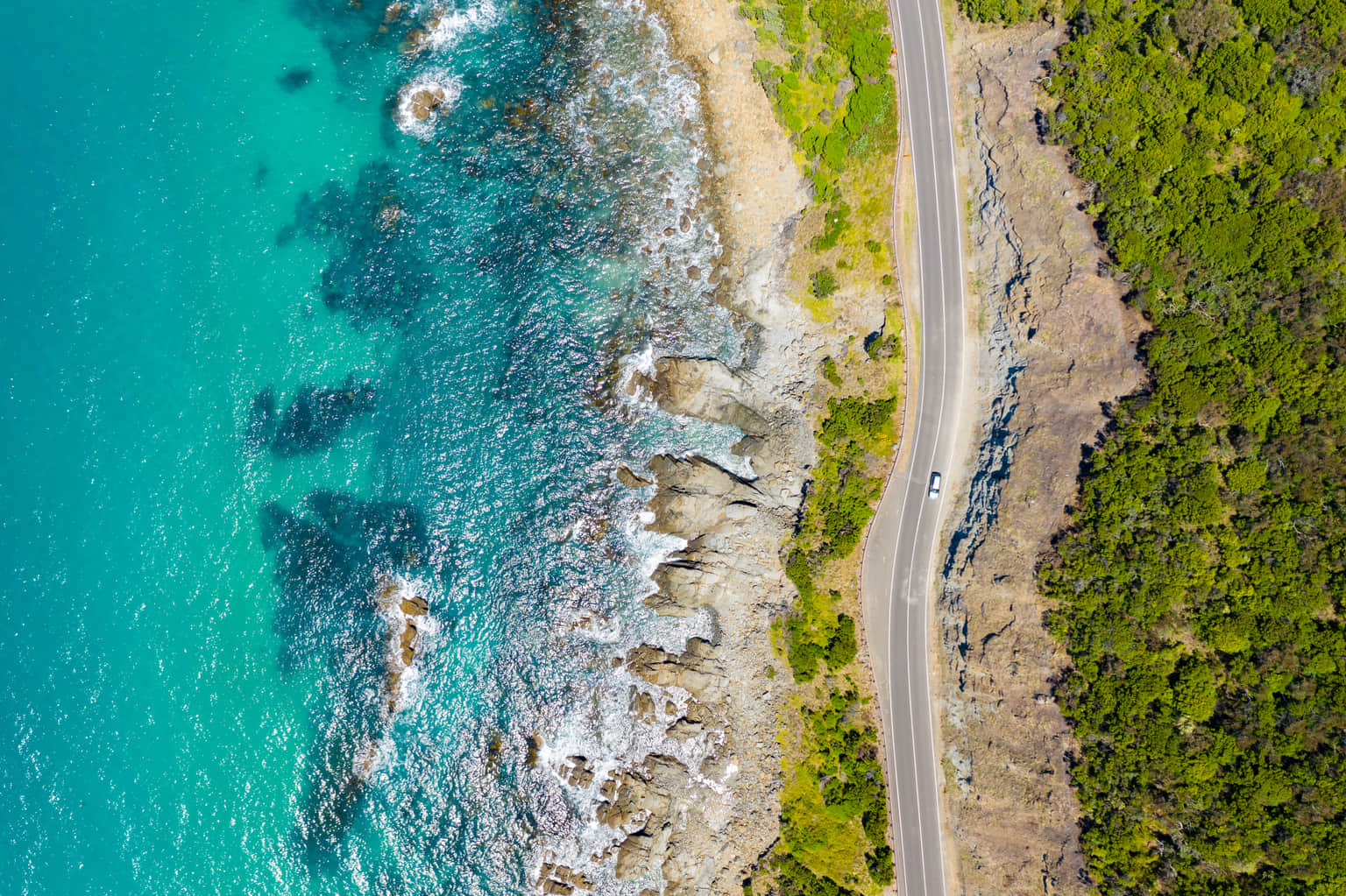
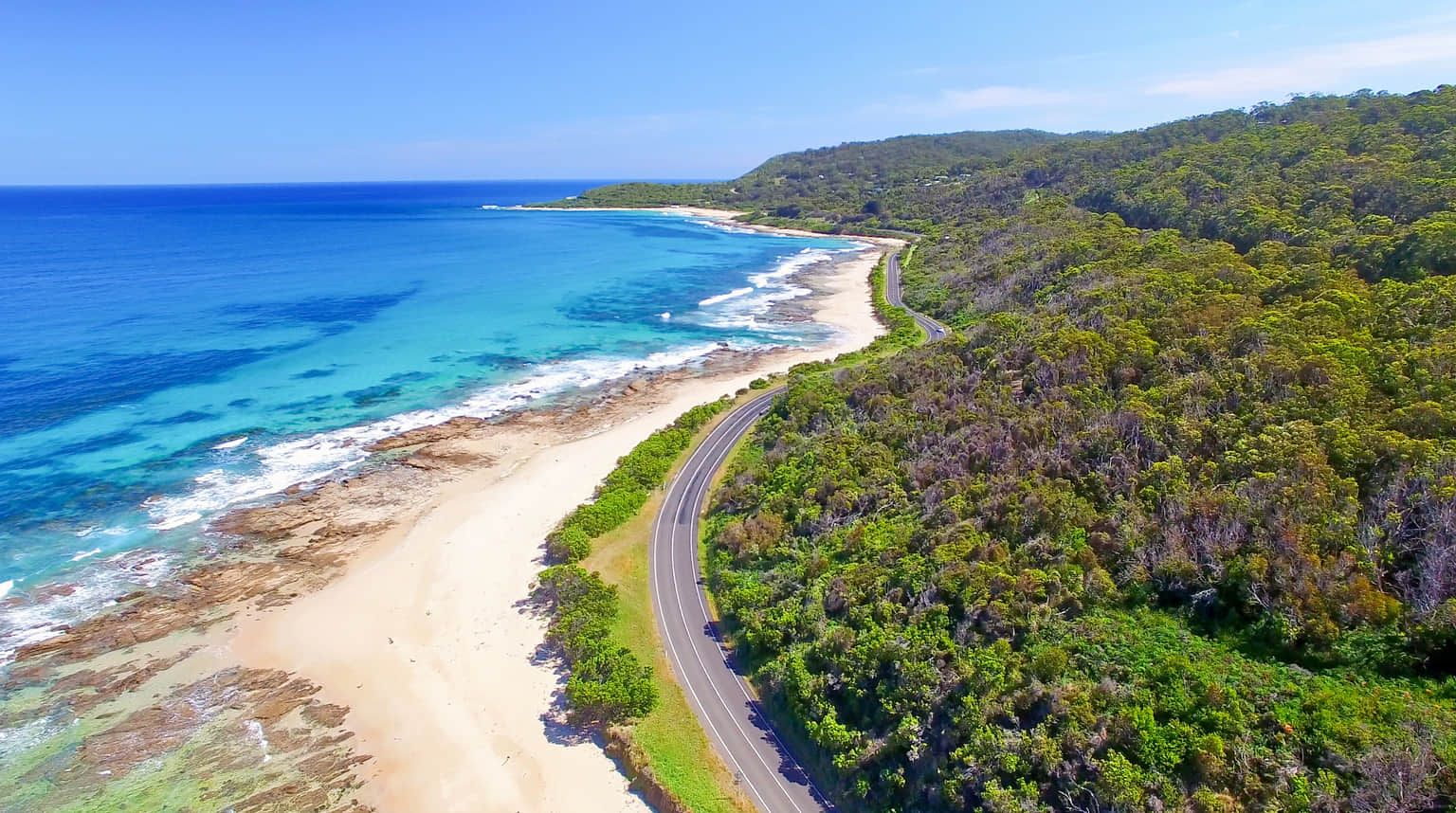
Location: The Great Ocean Road lies on the southwestern coast of Victoria in Australia. It starts at Torquay, 100 Kilometers from Melbourne and finishes at Allansford, near Warrnambool, the biggest city on the whole route.
Entry Fee: The Entry to this beautiful coastal road is open to one and all without any entry fee or tolls on the way. However, you might be charged an entry fee at several spots for entry throughout your trip.
Public Toilet: Public toilets are very common throughout Victoria. You shall find neat and clean public toilets all throughout your journey on the Great Ocean Road, within the cities, as well on the beaches. You can also refer to the National Public Toilet Map issued by the government to locate your nearest public toilet.
Mobile Connectivity: While traveling on the Great Ocean Road, Telstra shall provide you with the best network coverage. Vodafone and Optus shall only get good coverage within the cities along your way.
Nearby ATMs: You shall find plenty of ATMs in the cities along the way. You may only find a few on the external coastal road.
History of the Great Ocean Road

The Construction of the Great Ocean Road was initially planned towards the end of World War I. Its construction began on September 19, 1919, with the help of 3000 servicemen who returned safely to their homes after the War. It was built as a memorial to fellow servicemen who lost their lives during the war.
The complete construction was done by hand, using explosives, shovels, and other small scale machinery. On March 18, 1922, the route from Eastern View to Lorne was completed and made open to the public. However, it was closed from May 10, 1922, to further construction and reopened on December 21, 1922, with tolls to regain the construction and maintenance costs.
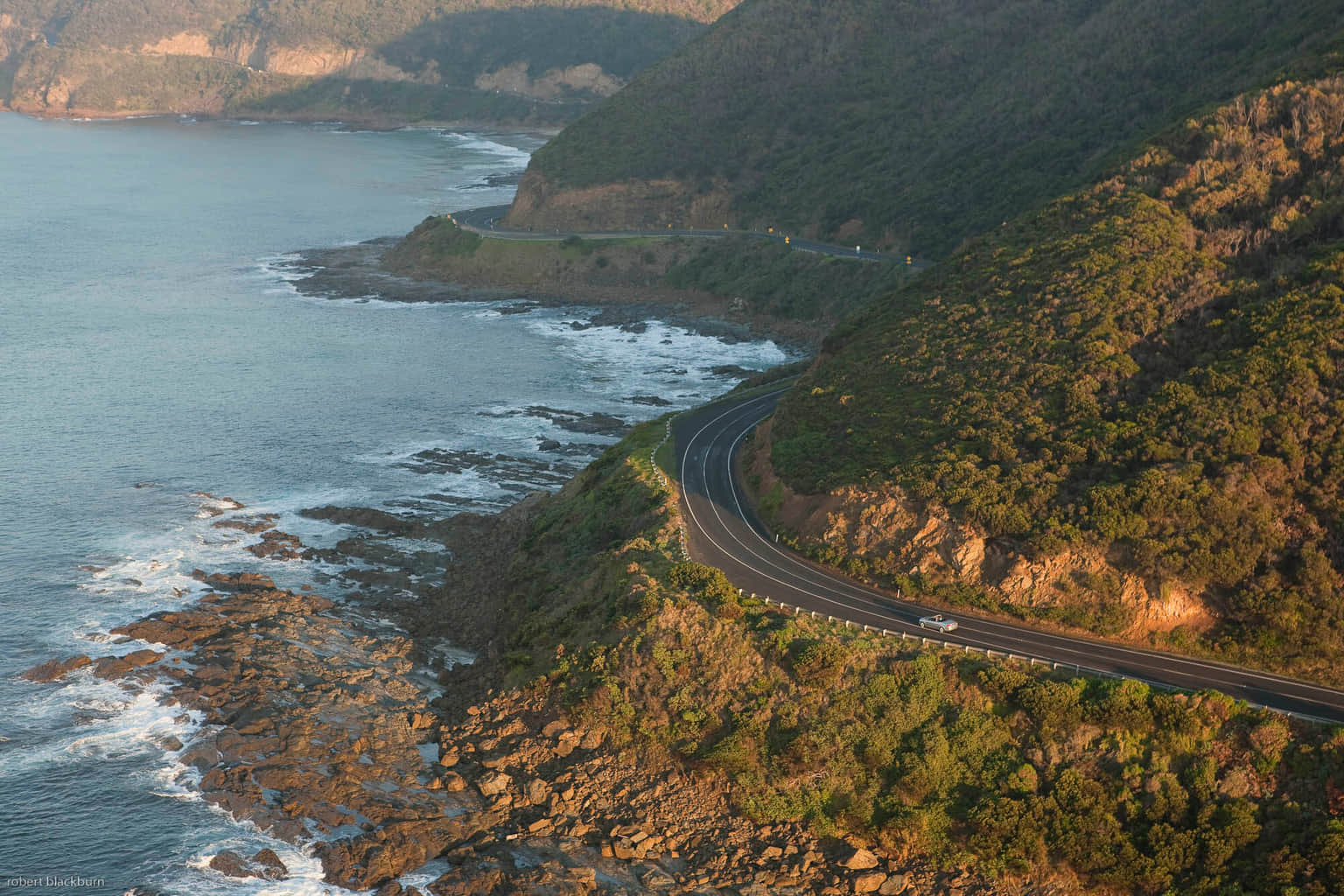
In November 1932, the route from Lorne to Apollo Bay was finally completed, marking an official completion of the Great Ocean Road. During its initial stage, the road was considered to be highly dangerous with dangerous cliffs and only one wagon being capable of passing by at once.
In October 1936, the road was handed over to the state, post which all the tolls were removed and the road conditions were also improved. The Tourist Development Authority deemed the road as one of the most scenic roads in the world in 1962.
Road Trip from Melbourne to Great Ocean Road

If you are planning a quick trip across the Great Ocean Road from the city of Melbourne, here are a few spots that are a must-visit for you to enjoy the true essence of this great coastal area in Victoria.
- Torquay: You must try out surfing in this surfing capital and visit the Australian National Surfing Museum to learn more about Australia’s surfing history.
- The Bells Beach: It is the most famous beach throughout the Great Ocean Road. Do take a stroll through the beach and visit the Great Ocean Road Chocolaterie and Ice Creamery to witness the delicious art of chocolate making.
- Aireys Inlet: The coastal area of Aireys Inlet is where the twists and turns of the Great Ocean Road actually start. Stop by at the Split Point Lighthouse to know about the legendary “White Queen”.
- Lorne: Search through an empty slot for a picnic from the 6 picnic spots in Lorne or just enjoy a great seafood lunch and local wines at the restaurants. Hit up the Erskine Falls to witness nature’s beauty.
- Apollo Bay: Entering the Apollo Bay is actually the most interesting area of the Great Ocean Road. Pass through the several silent settlements with amazing beaches and waterfalls on the way and at the Apollo Bay too.
Tips for Visiting Great Ocean Road

Here are a few tips for anybody and everybody looking forward to heading off to the Great Ocean Road for a wonderful experience:
1. Do not visit this place in a rush; always take your time to admire the beautiful views around you.
2. Stop by the towns on your way. Every town has a history to tell and a lot more to explore.
3. Don’t just visit the touristy places. Do visit and explore the national parks as well as the raw nature all around you. Catch up with natives and try to indulge in some local experiences.
4. Always be cautious on the roads. The twists and turns are quite tricky and turn out to be dangerous.
5. Do carry not forget to carry along the basic medicines and the first aid kit as you may not find instant medicare at some places.
6. Try to visit the local breweries and restaurants serving the local cuisines to indulge completely in the vibes of the south east coast.






.jpg?w=1536&q=65&format=auto)
.jpg?w=1536&q=65&format=auto)