History of Bird Island
The island was first spotted in a year 1771 by a passing master cruiser ‘The Eagle’ who said the following words about the island:
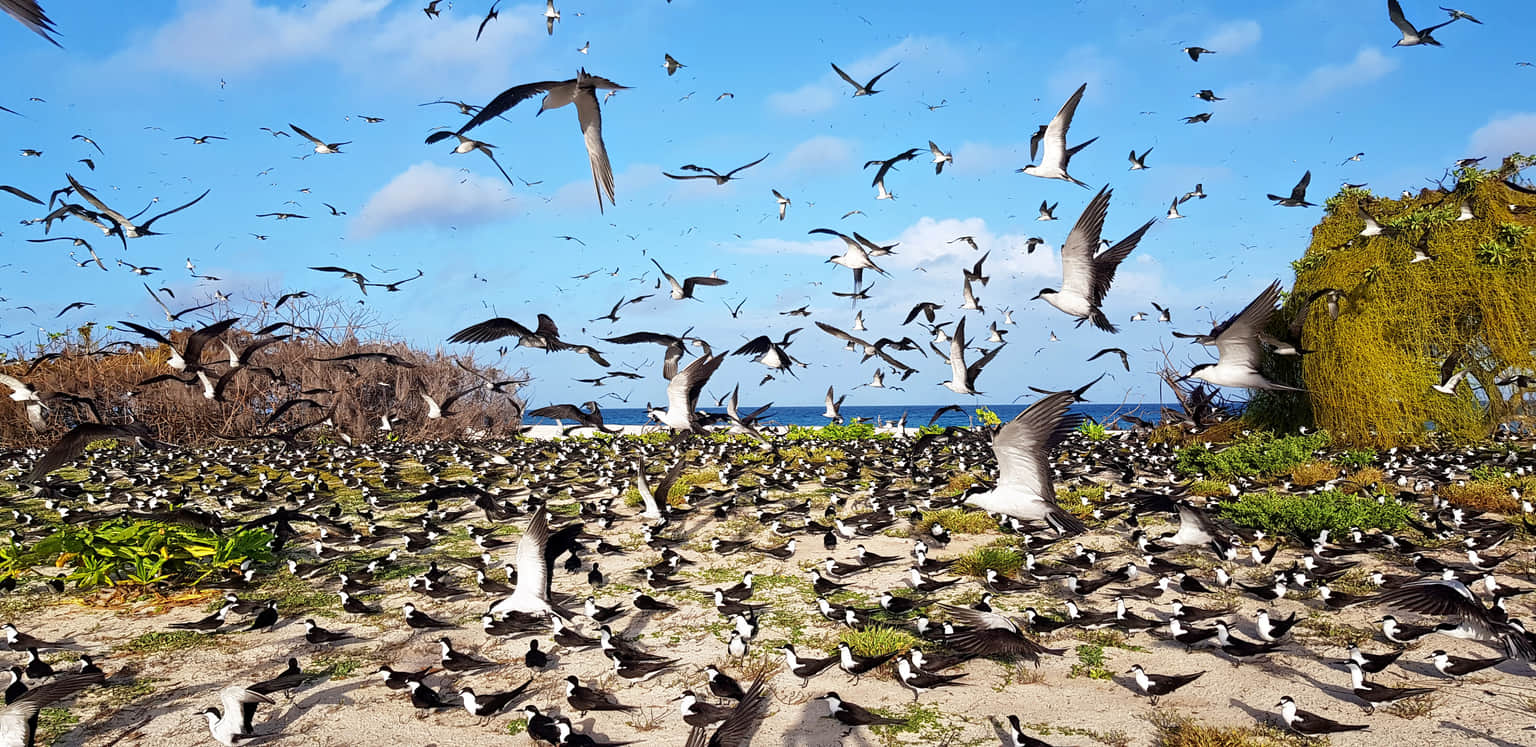
“Birds Innumerable and many sea cows (dugongs) on the beach.”
The name of Bird Island was thus coined. Initially the island was mined for guano (bird droppings) but later in the years between (1896-1906) about 17000 tons of guano were removed and exported to the sugarcane plantations of Mauritius. Coconut and cotton plantations were set up along with cash crops such as papaya, sea cabbage and nutgrass. Later, in 1967 the island was bought by its current owners who have tried to capitalize on the conservation of the island’s natural resources and initiate tourism business in parallel. As one of the world’s first eco-tourism ventures the program was successful in both fields- conservation and tourism.
In 1997, Bird island was visited by noted broadcaster and historian Sir David Attenborough and his crew for the two episodes of his film The Life of Birds. In the year 2006, Bird Island won the accolade of 7th best destination for the purpose of ecotourism as per BBC Wildlife Magazine.
Flora and Fauna at Bird Island
1. Coastline Vegetation: Along the extensive shoreline of Bird Island you will find Veloutier, Bwa d'amande and bwa tabac plants.
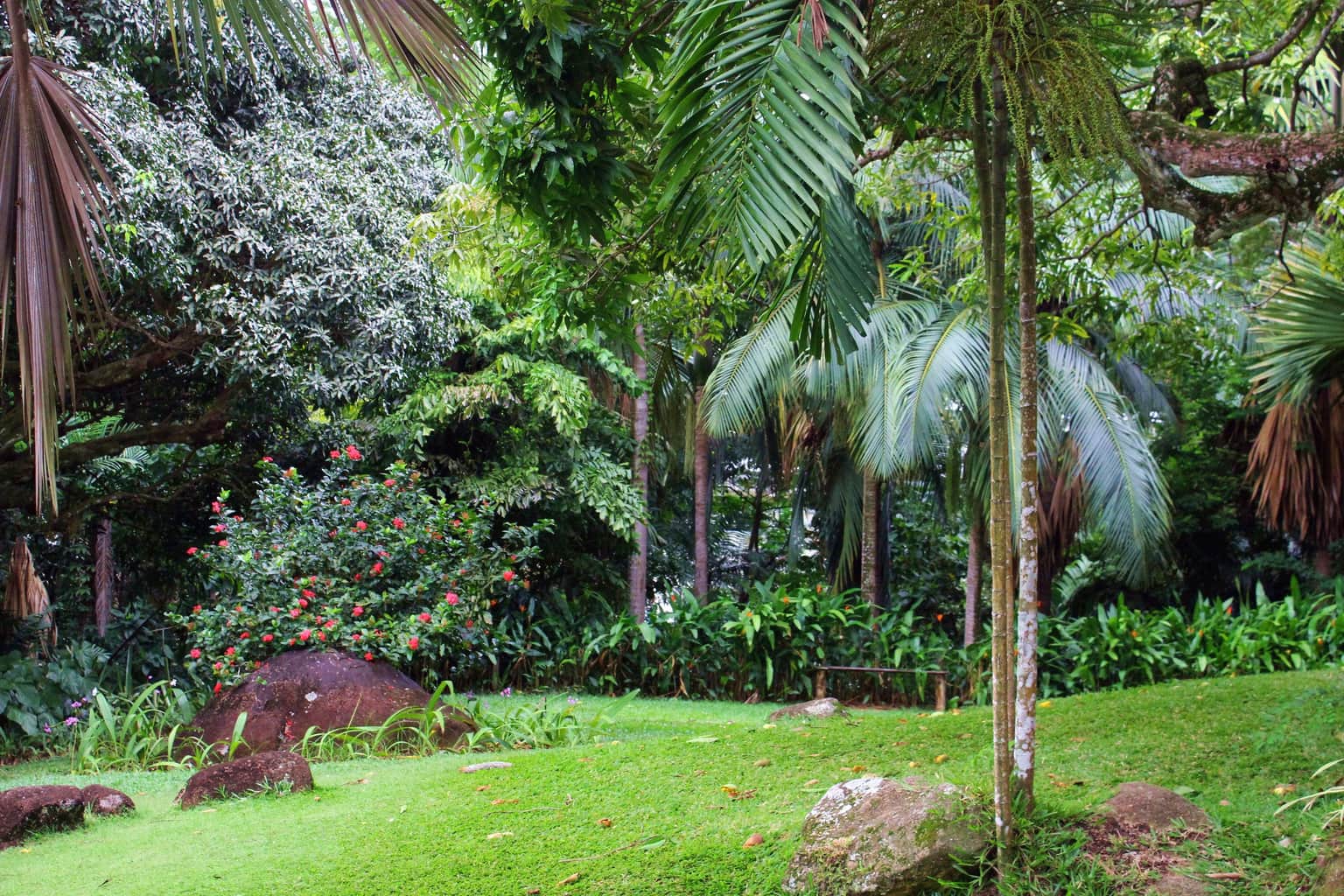
2. Central Parkland and Core Forest Area: The island retains some of its original coconut plantations. Other species of plants include Mapou, Beach Cabbage and Casuarina trees.
3. Other Plants: Some of the indigenous variety of plants include the Indian Nettle, Citronelle, and Frangipani, crops such as tomatoes, lettuce, papaya and pumpkin are grown in the farms.
4. Birds: This coralline island is a huge colony for birds ranging from the migratory to sea birds. The resident birds that are found in this region include Barred Ground Doves, Fairy Terns, Ruddy Turnstones, Curlew Sandpipers and Grey Plovers. Migratory birds that fly down to this tropical region are Black Winged Stilts, Bar-tailed Godwits, Little Tern and Crab Plovers. The local birds of the island are Red Backed Shrike, Blue -cheeked Bee-eater and others.
5. Tortoises: June to September is the time when numerous Green turtles are spotted who migrate long distance to lay eggs in their nesting beaches. Another critically endangered species of tortoises is the Hawksbill Turtles that come out of the sea between October and February to lay eggs on the beach.
6. Marine Life: You will get to see Bottlenose Dolphins and Spinner Dolphins frolicking in the sea waters if you go for a boat ride. If you are lucky you may spot Humpback Whales, Short-Finned Pilot Whales and Southern Right Whales in this region.


.jpg?w=1536&q=65&format=auto)