Location:
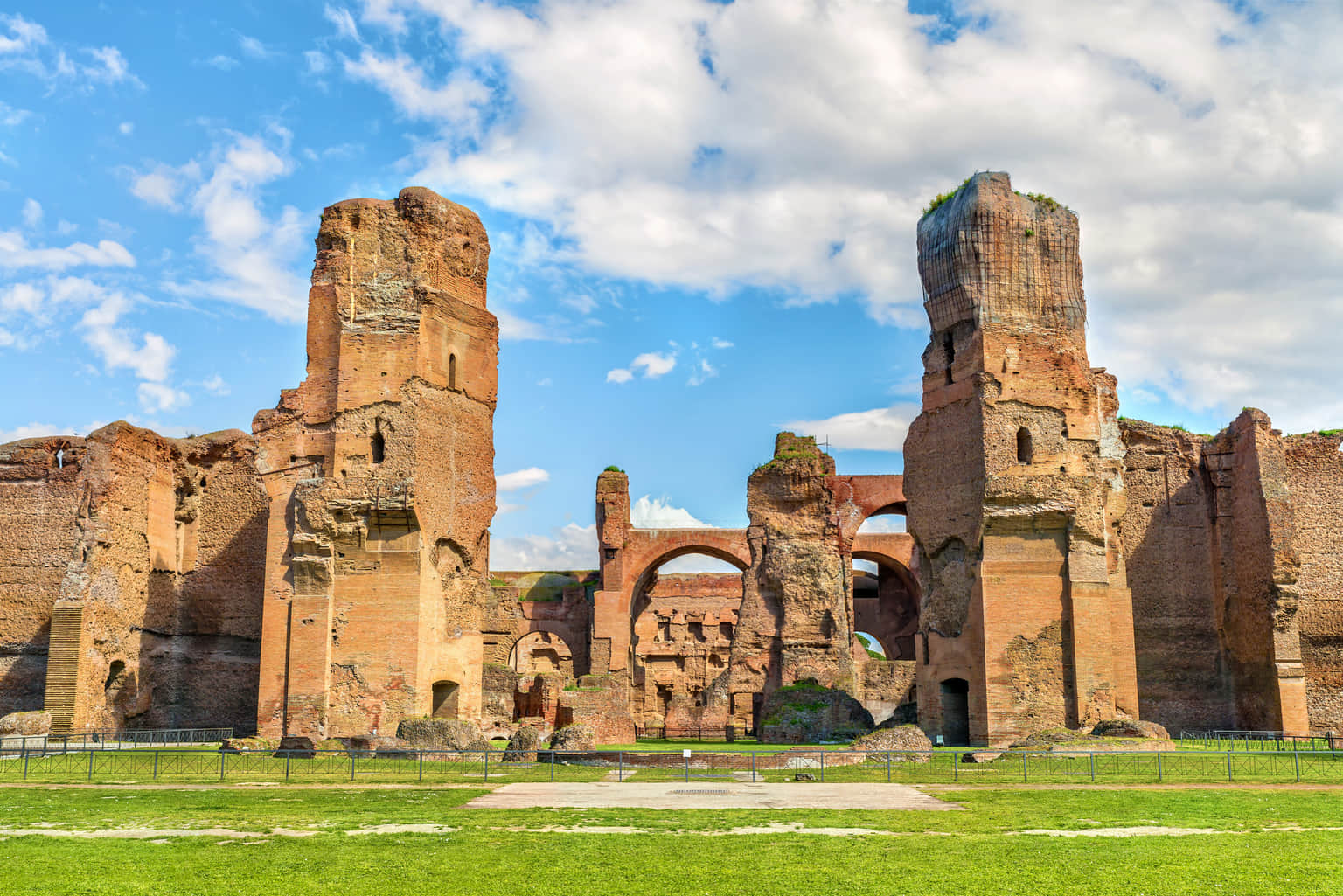
Viale delle Terme di Caracalla, 00153 Roma RM, Italy. Located south of the city center, along a corridor of ancient archaeological sites that stretch from the Colosseum to the Appian Way, the Baths of Caracalla are easily accessible.
Timings:
- The baths are open daily, except for December 25 and January 1 when they remain closed.
- It is open to the public from 9 am every day. However, the closing hours depend upon the season.
- Visitors are allowed to enter the ancient ruins till one hour before closing time.
- On Mondays, the site closes at 2 pm. Here are the closing times for the rest of the week:
- 4:30 pm - From the last Sunday of October to 15 February
- 5:00 pm - From 16 February to 15 March
- 5:30 pm - From March 16th to the last Saturday of March
- 7:15 pm - From the last Sunday of March to 31 August
- 7:00 pm - From 1 September to 30 September
- 6:30 pm - From 1 October to the last Saturday of October
- For night visits: 8 pm - From late August to late September
Tickets:
Except on certain selected days when the entry is free, visitors are required to purchase a ticket of 8€. But with the opening of the underground area, tickets now cost 11€. However, everyone under the age of 18 can gain free entry. Visitors can also make use of Rome City Passes for free or discounted entry.
Suggested Read: Rome Walking Tour
The Baths of Caracalla: A Historical Overview

The ancient baths were built during the reign of Emperor Caracalla. Even though he is largely credited for having the baths built, it is assumed that the idea and the design were conceived by his father, Emperor Septimius Severus. Construction began in 206 and was completed by 216 or 217.
Because of the cement they made and the arches they constructed, the Romans were able to create gigantic structures even in those ancient times. Once completed, the baths could hold up to 1,600 people. It is said that around 6000-8000 people visited the Caracalla baths in a day.
Since the Romans did not have running water in their houses, they had to resort to using public baths for their daily chores. However, the Baths of Caracalla served as more than just a public bath. It was also the place where most of their social interactions took place. The baths were used for hundreds of years until 537 when the aqueducts that were used to supply water to the baths were destroyed by the Ostrogoths.
Click Here to Book Now: Duomo Florence Tickets
An Architectural Marvel

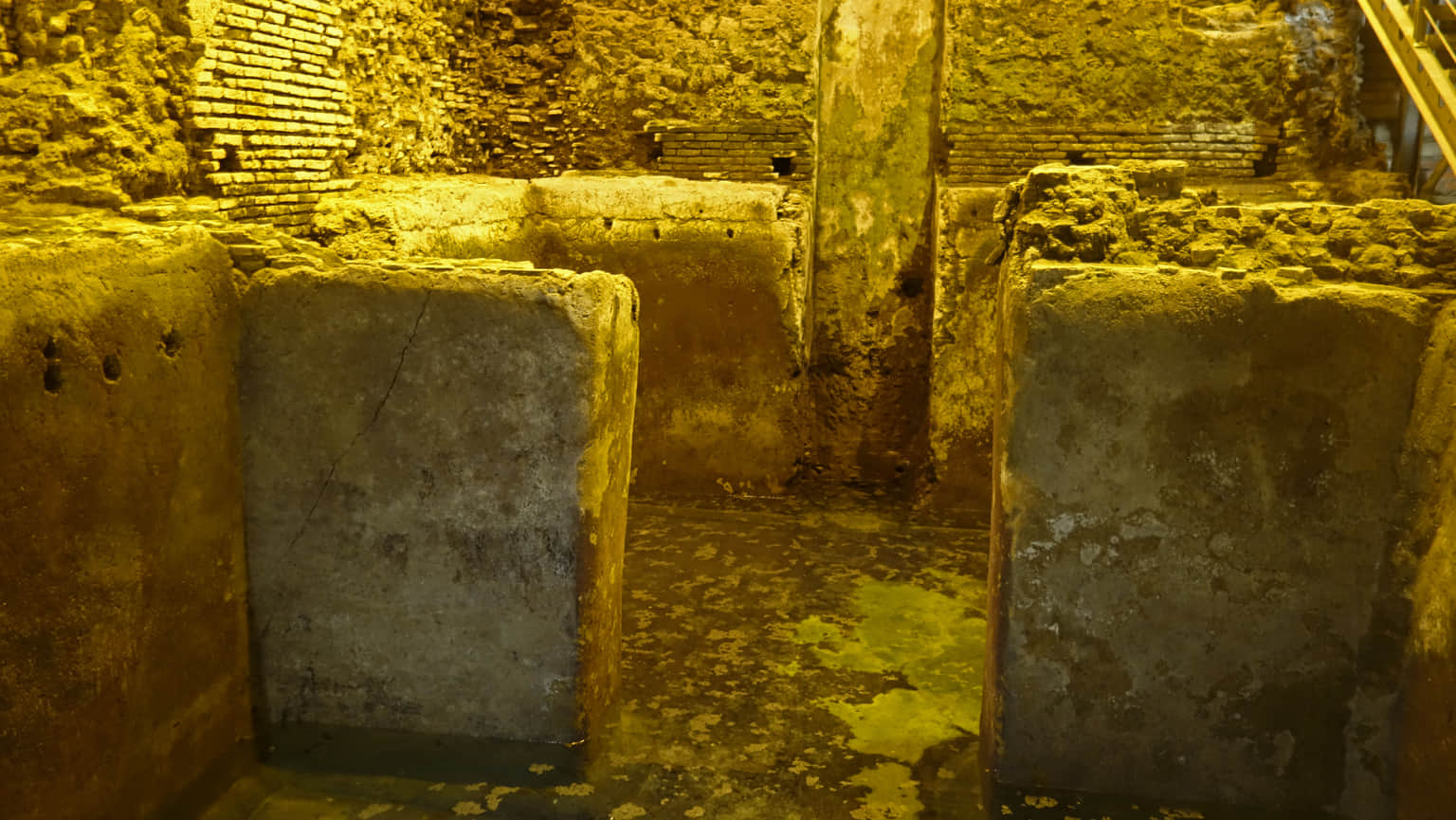
As is prevalent in Roman architecture, the Caracalla baths also followed a symmetrical layout. The structure was constructed using a mixture of baked brick and concrete. But what is most fascinating is perhaps the network of tunnels the Romans managed to build so early on. These tunnels were mainly used for inspection purposes and also to store water and wood. They also had a working drainage system.
The outdoor pool was decorated with granite columns. Large, ornate bronze mirrors reflected sunlight, lending much-needed light to the room. The walls were made of marble and decorated with frescoes. The floors, on the other hand, were made with black and white mosaic, remnants of which can still be seen at the site. Numerous statues added to the grandeur of the complex.
The intricately designed garden is another example of the Romans' aesthetic finesse. The elaborate landscape design included statues, fountains and social spaces. The complex in its entirety is proof of the Romans' architectural superiority, making it one of Rome’s must-visit attractions.
Also Checkout: Places to Visit in Florence
What Makes Baths of Caracalla Famous?

What makes the Baths of Caracalla so important is that it is one of those rare ancient structures in which we can still see the impressions of the original decor. Archeologists have found manuscripts with proof of marble floors, pillared halls, and mosaic interiors. As we walk through the ruins and try to reimagine its history, we are offered a glimpse into the ancient city of Rome.
Also Read: Museums in Florence
Why Should You Visit the Caracalla Baths?

If you are looking to beat the crowd prevalent in the touristy areas of Rome, head over to the Caracalla baths. You can walk right in, looking for the signboards to lead the way. The history buff in you will be happy to find placards explaining the significance of each spot.
With the now open underground, you get to witness the engineering expertise of the Romans. The sheer size of the underground that once housed up to 50 ovens will leave you overwhelmed. It will also give you a clear perspective of the size and scope of this monumental structure.
Many have described the grandeur in size and architecture to be a symbolic instrument of the Roman imperial power. If you are visiting during the summer, do not forget to check out the various open-air concerts that are often hosted in these ancient ruins. Mostly consisting of iconic operas, these performances are not to be missed.
Also Checkout: Things to Do in Rome
Nearby Attractions
1. The Colosseum
Perhaps the most recognizable of all the attractions in Rome, the Colosseum is merely a stone throw away from the Baths of Caracalla. About 1.2 km away, the ancient amphitheater can easily be reached on foot.
2. The Roman Forum
Another famous tourist spot, the Roman Forum is also quite nearby. A little more than a kilometer away from the baths, it is easily accessible. Originally a marketplace, it now houses the ruins of several important government buildings of Rome.
3. Circo Massimo
A large stadium built for the purpose of chariot racing, the Circo Massimo was the first and the largest stadium in ancient Rome. What's more, it's said to have been capable of holding up to a quarter of the city’s population! Located quite close, it would make the perfect addition to your Caracalla baths trip.
4. The Bocca della Verità
The Bocca della Verità or the Mouth of Truth is the sculpture of a bearded face carved on a marble disc. According to legend, the sculpture will bite your hand off if you put your hand inside its mouth and tell a lie. Conveniently located near the Caracalla Baths, you can test the powers of Bocca della Verità for yourself.
Suggested Read: Churches in Rome

 By Road


.jpg?w=1536&q=65&format=auto)