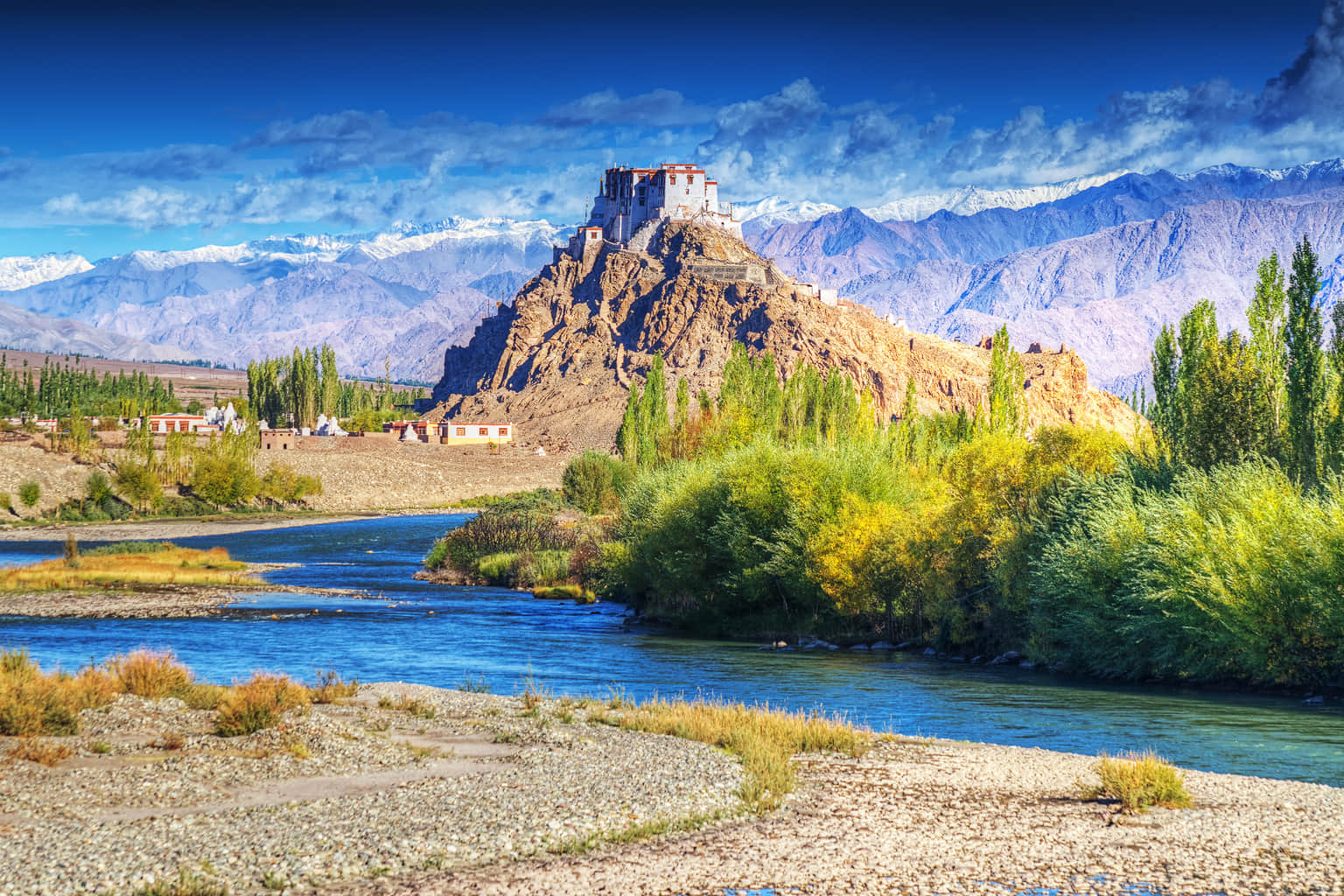
History of Basgo Monastery
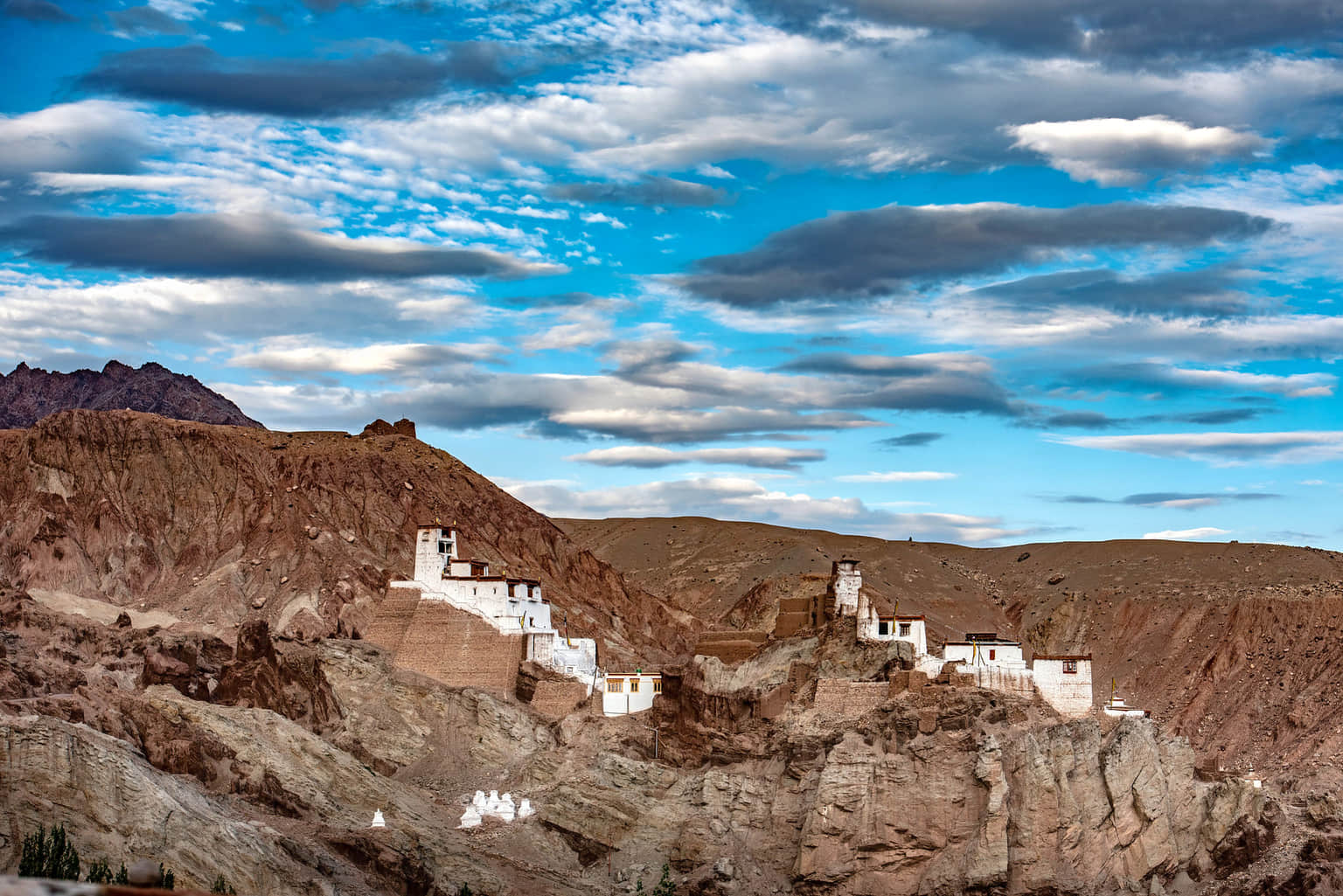
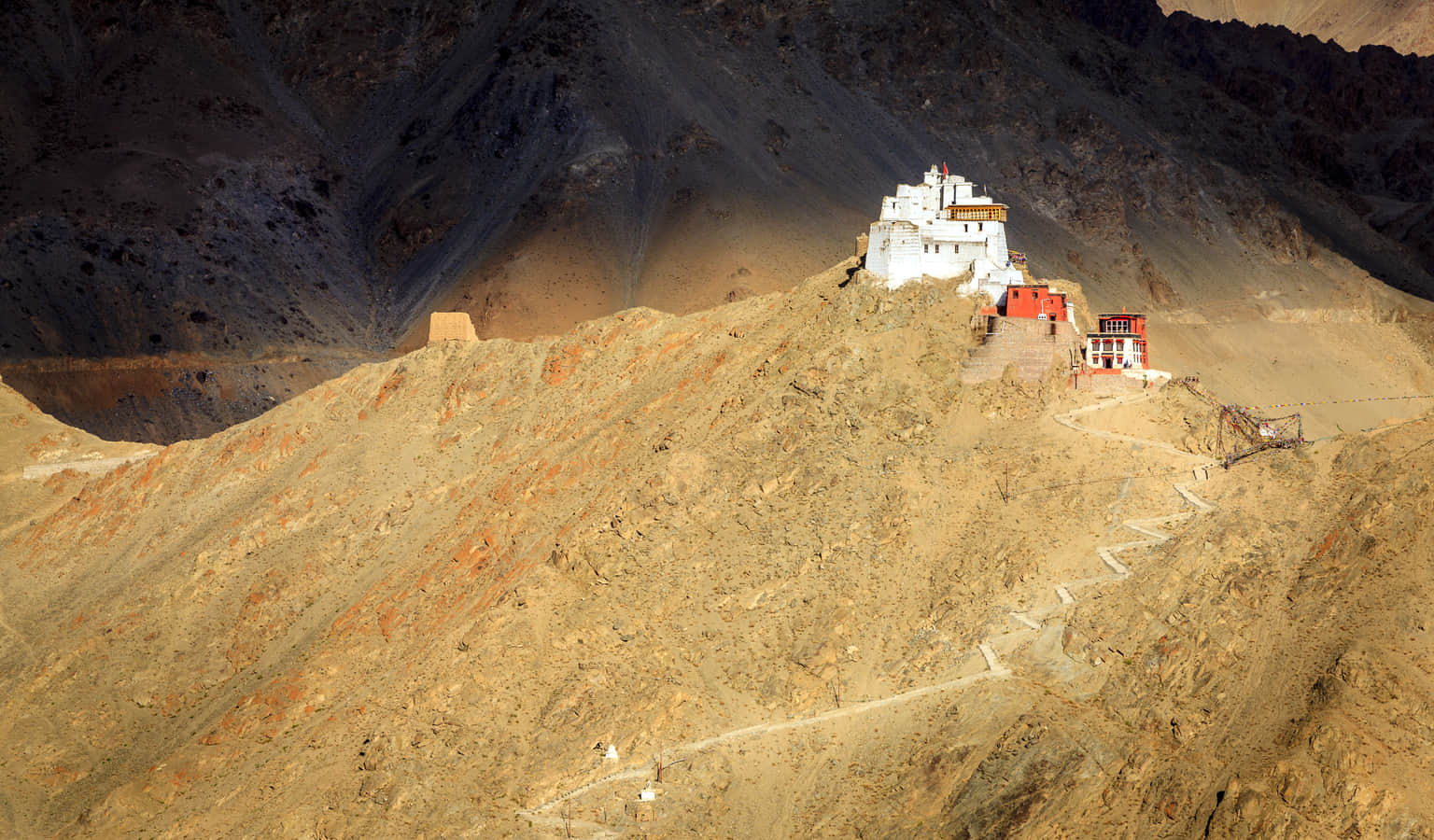
Basgo Monastery traces its history back to 1680. The edifice was built under the reign of Namgyal rulers to protect the premises of Basgo from the invaders. It was an important political and cultural part of ancient Ladakh. The political significance of Basgo raised to the occasion in the 15th century. The ancient culture of Basgo Monastery resides in the libraries, mural paintings, etc. Also, its significance of sandstone rocks and dark red base of the spur dates back to the reign of Namgyal rulers.
The history of Basgo was deep-rooted in the Maitreya temples with mesmerizing paintings, animal stables, uniquely built chortens or stupas, etc. The largest temple, Chamba Lhakhang, is situated at the highest point. The restoration work was done in the early 1980s by removing the ancillary chambers and roof. Whereas the Cham Chung temple has a conical roof and the Chamba Serzang temple was restricted for the royal family exclusively.
The development of art has also taken place magnificently. In 1979, it adapted the Central Tibetan style of painting for the first time. The painting in the Cham Chung and the Serzang temples followed the same elements and style. Although, religious developments majorly preferred tantric Buddhist tradition.
If you are looking forward to renting a bike after reaching Leh, Checkout.: Leh Ladakh Bike Rentals
Travellers’ Tip before Visiting Basgo Monastery

Basgo Monastery is an epitome of beauty and spirituality. To explore this holy place without any hassles, get acquainted with several tips before visiting.
1. Basgo Monastery follows the Buddhist norms which believes in prayers and silence. Maintain the decorum and pay respect towards the surroundings.
2. Dress conservatively and cover your head with a scarf or something
3. Basgo Monastery is situated on top of cliffs. Be ready to climb at high altitudes as many people suffer through acute mountain sickness.
4. Wear robust and comfortable shoes for a convenient hike. Also, you can easily explore the monastery.
5. There will be hardly any shops or restaurants around the monastery, so pack some snacks and drinks with you. But make sure you don’t take any food inside the monastery.
Recommended Read: Leh Ladakh Bike Trip