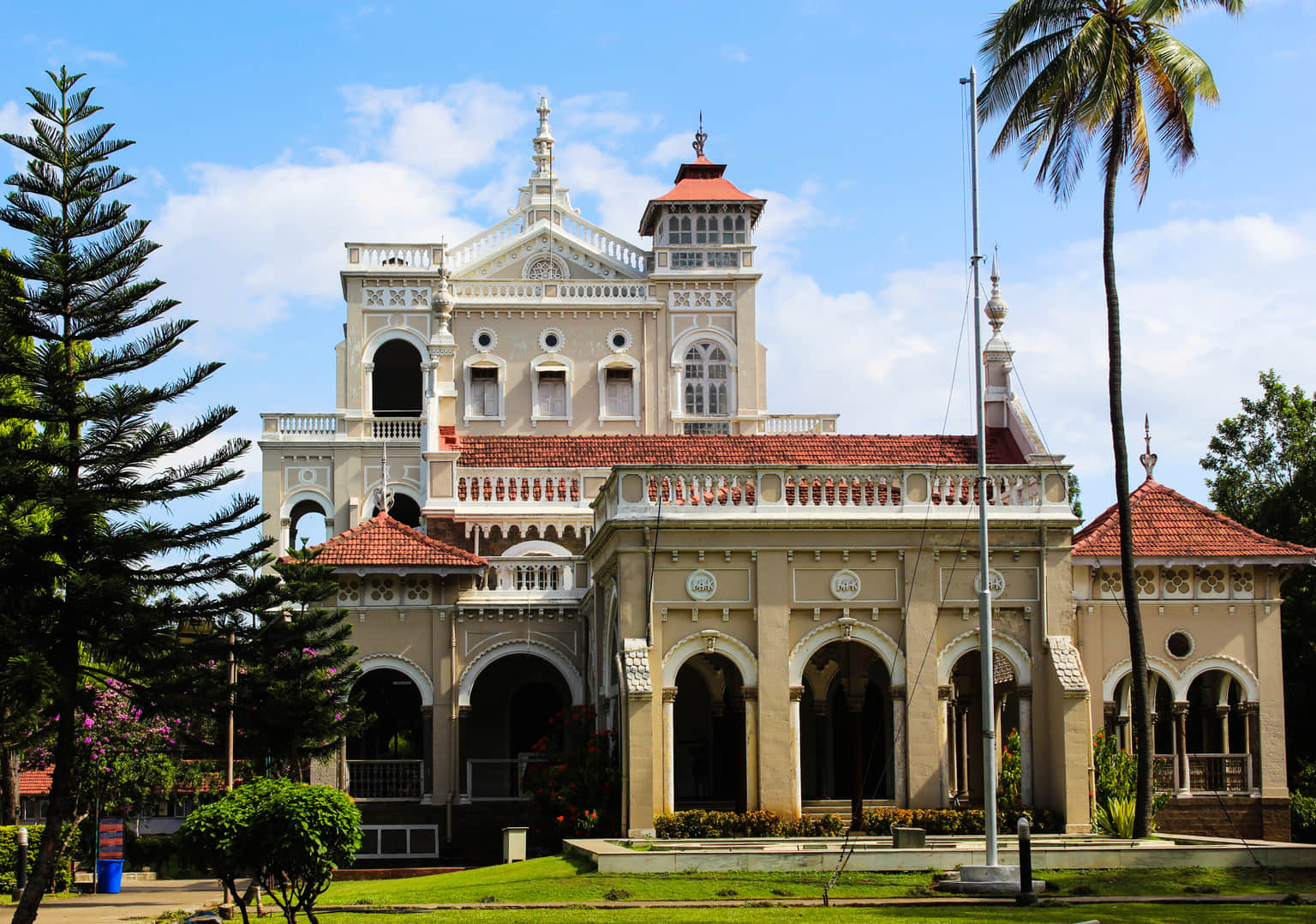
Aga Khan Palace, Pune
About Aga Khan Palace
Day Wise Timings
Aga Khan Palace opening hours through the week.
How To Reach Aga Khan Palace

Best Time To Visit Aga Khan Palace

Aga Khan Palace Essential Information



Why Choose Thrillophilia?
3 Million+
Happy customers from 70+ countries all around.
4.8/5
Rated across Trip Advisor and Google reviews.
Curated With Love
Special curated Indian itineraries built for Indians.
24/7 Assistance
Always there to help before and during trips.

Point of Interest for Aga Khan Palace
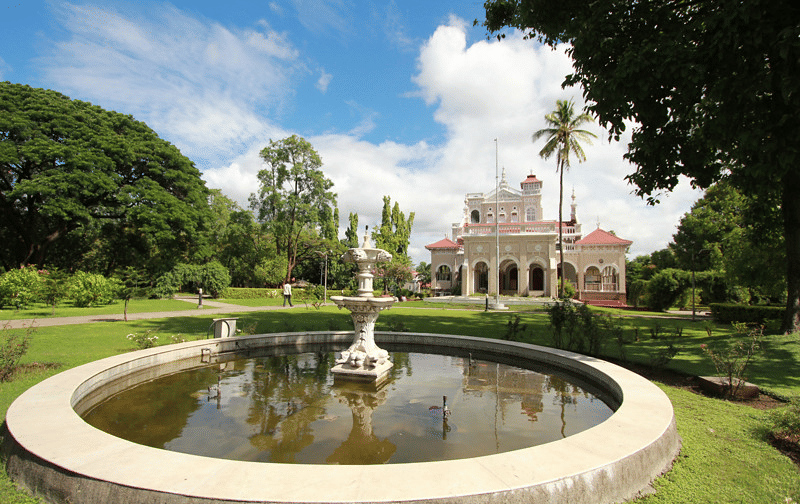
Celebrations at Aga Khan Palace
Many public functions and important days and dates are celebrated at the Aga Khan Palace. All of these celebrations are organised by the Gandhi Memorial Society. Some of the celebrations at the Aga Khan Palace include Martyr’s Day, which is celebrated on January 30. Additionally, the palace also celebrates Maha Shivrati, which is death anniversary of Kasturba Gandhi and is celebrated lavishly as Mother’s Day.
Along with this, the palace celebrates 15th August, Independence Day, 26th January, as Republic Day, as well as Mahatma Gandhi’s birth anniversary on 2nd October every year. The palace gets lit up in all its glory on all of these days, shining like a bright star above Pune’s Nagar Road. Other than these annual events, sessions for morning prayer are being held at the samadhi every day for decades. Huge crowds turn up for these prayer sessions, which increases tenfold during the annual events.
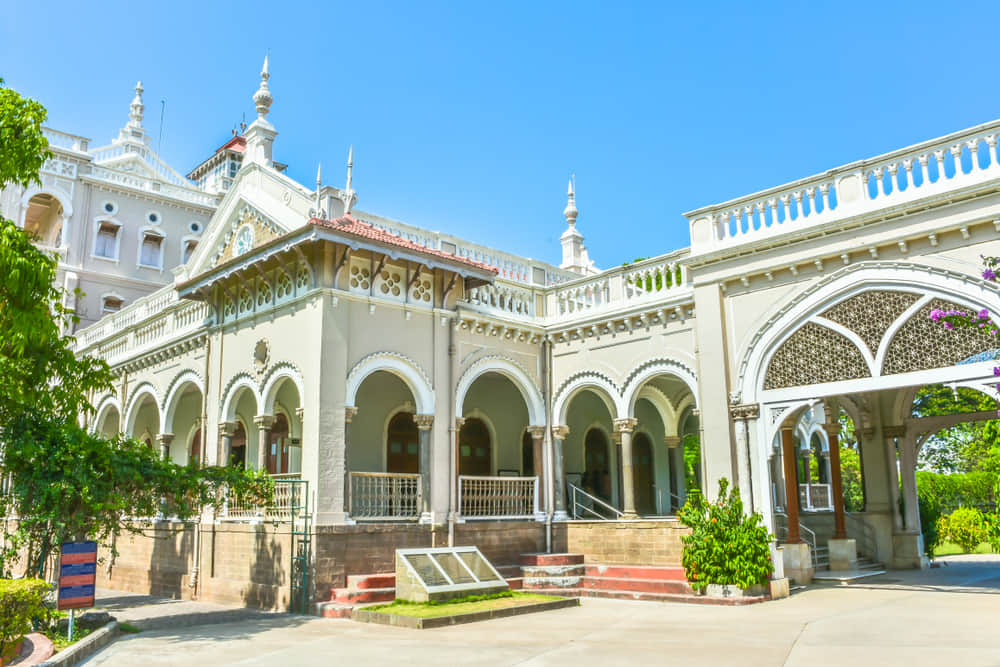
Gandhi Museum
The Aga Khan Palace houses the Gandhi Museum which displays many artefacts and things of the times gone by.
It is amongst the most frequently visited place in the palace premises by tourists. In addition to paintings, sculptures, murals and photographs of the India Freedom Struggle, the museum also houses the personal belongings of Mahatma Gandhi and the Gandhi family.
This includes Gandhi’s letters, clothes, towels, as well as slippers, among other things.
Additionally, the rooms, which were used by Mahatma Gandhi, his wife Kasturba Gandhi, his secretary Mahadev Desai and Sarojini Naidu have also been well-preserved and are open for public display as part of the museum. The room which was used by Sarojini Naidu has a poem displayed in it.
The poem is written by Padma Sethi. Along with the poem, the room also has pictures of Indira Gandhi and many other leaders who were a part of Quit India Movement and the freedom struggle.
The museum also has the room which was occupied by Gandhi. A spacious room, it also has a huge hall, which presents his writing desk, his charkha, as well as his sandals and other personal belongings.
One of the main attractions of the room is a painting of the Mahatma and Kasturba Gandhi, wherein the latter is resting her head on Gandhi’s lap. The dining area, which was used by them, is also a part of the museum and is available for public viewing.
The museum is also home to the final resting place of Kasturba Gandhi as well as Mahadev Desai, who breathed their last whilst in imprisonment here at the palace.
Aga Khan Palace FAQs
Popular Related Attractions


.jpg.jpg?w=1536&q=65&format=auto)

More Things to Do in Pune
Quick links to everything else worth a slot on a longer stay.